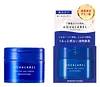
This brightening moisturizer is formulated around Tocopheryl Acetate and Camellia Sinensis Leaf Extract to brighten dull-looking skin and hydrate skin.
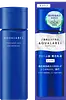
This brightening emulsion is formulated around Centella Asiatica Extract and Sodium Acetylated Hyaluronate to fade the look of dark spots.

What's inside
What's inside
 Key Ingredients
Benefits
Concerns
Ingredients Side-by-side
Potassium Methoxysalicylate
BleachingTocopheryl Acetate
Antioxidant


Glutamic Acid
Humectant
Alanine
Masking
Methionine
Skin ConditioningPEG/PPG-14/7 Dimethyl Ether
Skin ConditioningCamellia Sinensis Leaf Extract
Antimicrobial



Glycine Soja Extract
Skin ConditioningYeast Extract
Skin ConditioningSoluble Collagen
Humectant
Sodium Acetylated Hyaluronate
Humectant
Sodium Hyaluronate
Humectant
Water
Skin ConditioningGlycerin
Humectant
Dipropylene Glycol
HumectantMethicone
Emollient
Tetradecane
Perfuming

Methyl/Phenyl Polysilsesquioxane
Cetyl Ethylhexanoate
EmollientButylene Glycol
Humectant
PEG-9 Polydimethylsiloxyethyl Dimethicone
Emulsifying
Trimethylsiloxysilicate
Emollient
Trehalose
Humectant
Carbomer
Emulsion StabilisingPotassium Hydroxide
BufferingSodium Acrylate/Sodium Acryloyldimethyl Taurate Copolymer
Emulsion StabilisingIsohexadecane
EmollientPolysorbate 80
Emulsifying

Acrylates/C10-30 Alkyl Acrylate Crosspolymer
Emulsion StabilisingAlcohol
Antimicrobial



Trisodium EDTA
ChelatingSodium Metabisulfite
Antioxidant
Sodium Metaphosphate
BufferingPhenoxyethanol
Preservative
Parfum
Masking
CI 77491
Cosmetic ColorantCI 77492
Cosmetic ColorantPotassium Methoxysalicylate, Tocopheryl Acetate, Glutamic Acid, Alanine, Methionine, PEG/PPG-14/7 Dimethyl Ether, Camellia Sinensis Leaf Extract, Glycine Soja Extract, Yeast Extract, Soluble Collagen, Sodium Acetylated Hyaluronate, Sodium Hyaluronate, Water, Glycerin, Dipropylene Glycol, Methicone, Tetradecane, Methyl/Phenyl Polysilsesquioxane, Cetyl Ethylhexanoate, Butylene Glycol, PEG-9 Polydimethylsiloxyethyl Dimethicone, Trimethylsiloxysilicate, Trehalose, Carbomer, Potassium Hydroxide, Sodium Acrylate/Sodium Acryloyldimethyl Taurate Copolymer, Isohexadecane, Polysorbate 80, Acrylates/C10-30 Alkyl Acrylate Crosspolymer, Alcohol, Trisodium EDTA, Sodium Metabisulfite, Sodium Metaphosphate, Phenoxyethanol, Parfum, CI 77491, CI 77492
Potassium Methoxysalicylate
BleachingGlutamic Acid
Humectant
Alanine
Masking
Methionine
Skin ConditioningCentella Asiatica Extract
Cleansing
Glycylglycine
Hydrolyzed Conchiolin Protein
Skin ConditioningSodium Acetylated Hyaluronate
Humectant
Sodium Hyaluronate
Humectant
Soluble Collagen
Humectant
Glycerin
Humectant
Water
Skin ConditioningDipropylene Glycol
HumectantΑ-Olefin Oligomer
Butylene Glycol
Humectant
Cetyl Ethylhexanoate
EmollientPEG-90
HumectantDecamethyltetrasiloxane
Methicone
Emollient
Silica
Abrasive
Behenyl Alcohol
Emollient
Stearic Acid
Cleansing
Isostearic Acid
Cleansing
Behenic Acid
Cleansing
Carbomer
Emulsion StabilisingPotassium Hydroxide
BufferingBatyl Alcohol
EmollientPEG/PPG-14/7 Dimethyl Ether
Skin ConditioningSuccinoglycan
Skin ConditioningPhytosteryl Macadamiate
Skin Conditioning
Sodium Metaphosphate
BufferingDisodium EDTA
ChelatingSodium Metabisulfite
Antioxidant
Phenoxyethanol
Preservative
Parfum
Masking
Potassium Methoxysalicylate, Glutamic Acid, Alanine, Methionine, Centella Asiatica Extract, Glycylglycine, Hydrolyzed Conchiolin Protein, Sodium Acetylated Hyaluronate, Sodium Hyaluronate, Soluble Collagen, Glycerin, Water, Dipropylene Glycol, Α-Olefin Oligomer, Butylene Glycol, Cetyl Ethylhexanoate, PEG-90, Decamethyltetrasiloxane, Methicone, Silica, Behenyl Alcohol, Stearic Acid, Isostearic Acid, Behenic Acid, Carbomer, Potassium Hydroxide, Batyl Alcohol, PEG/PPG-14/7 Dimethyl Ether, Succinoglycan, Phytosteryl Macadamiate, Sodium Metaphosphate, Disodium EDTA, Sodium Metabisulfite, Phenoxyethanol, Parfum
Ingredients Explained
These ingredients are found in both products.
Ingredients higher up in an ingredient list are typically present in a larger amount.
Alanine is an amino acid and is already found in the human body. Our skin uses alanine to build collagen, elastin, and keratin.
Butylene Glycol (or BG) is used within cosmetic products for a few different reasons:
Overall, Butylene Glycol is a safe and well-rounded ingredient that works well with other ingredients.
Though this ingredient works well with most skin types, some people with sensitive skin may experience a reaction such as allergic rashes, closed comedones, or itchiness.
Learn more about Butylene GlycolCarbomer is a synthetic thickening and gelling agent. It's basically the ingredient that gives a lot of serums, gels, creams, and sunscreens their smooth, non-sticky texture.
Although legally permitted at very high levels, carbomers are normally used at concentrations below 1%.
It also needs to be neutralized to actually thicken, and because it is a large molecule, it doesn't really penetrate the skin barrier.
Allergy-wise, the risk is very low. Clinical studies show carbomers have low potential for skin irritation/sensitization even at concentrations up to 100%.
A 2024 UK study patch-tested 1,302 patients and found true allergy to the parent group of carbomer to be rare with no confirmed relevant reactions.
Learn more about CarbomerCetyl Ethylhexanoate is an emollient ester. It comes from cetearyl alcohol and 2-ethylhexanoic acid.
Cetyl Ethylhexanoate is an emollient that adds a velvety feel to skin without being greasy or oily. Emollients help trap moisture into your skin, keeping your skin soft and hydrated.
Dipropylene Glycol is a synthetically created humectant, stabilizer, and solvent.
This ingredient helps:
Dipropylene glycol is technically an alcohol, but it belongs to the glycol family (often considered part of the ‘good’ alcohols). This means it is hydrating and gentle on skin unlike drying solvent alcohols like denatured alcohol.
As a masking agent, Dipropylene Glycol can be used to cover the smell of other ingredients. However, it does not have a scent.
Studies show Dipropylene Glycol is considered safe to use in skincare.
Learn more about Dipropylene GlycolGlutamic Acid is an amino acid that is found in all living organisms. Our bodies use this to help nerve cells in the brain communicate with other cells.
In cosmetics, glutamic acid is a famous humectant. It draws water from the air to your skin, keeping your skin hydrated (like hyaluronic acid).
An in-vitro study from 2024 found glutamic acid to play a role in inhibiting inflammation and thus a potential skin-soothing ingredient.
Other studies show it to be have potential wound healing, skin barrier repair, and hair growth properties.
Glutamic acid has poor solubility in water and other solvents.
Learn more about Glutamic AcidGlycerin (or glycerol) is a compound naturally found in your skin. It's a powerhouse humectant that pulls water into the stratum corneum.
Topically, glycerin does several things at once:
Your skin makes glycerin on its own (mostly from sebaceous oil breakdown) and shuttles it to your outermost layer of skin, or your epidermis, via aquaporin-3.
Aquaporin-3 is a transporter that is essential for normal skin hydration, elasticity, and repair. Interestingly, mice lacking in AQP3 have dry and less elastic skin that can be fully corrected with glycerin.
This ingredient is non-irritating, plays well with almost every ingredient, and works across all skin types. Typical use is anywhere between 3-10% but can go up to 79% in some leave-on products.
Just know very high concentrations (>40%) can feel tacky in low humidity.
Glycerin is the name for this ingredient in American English. British English uses Glycerol/Glycerine.
Learn more about GlycerinMethicone is a type of silicone and is a simpler form of dimethicone.
Silicones are used to enhance the texture of products and have emollient properties. Methicone is used to give products a silky texture and improves spreadability.
Methionine is a natural amino acid your skin already uses to make proteins and gluthatione (one of the body's key defense molecules against environmental stress like sun + pollution).
Its sulfur content makes it especially reactive with the free radicals that damage skin, giving it genuine antioxidant properties.
Usage percentages are usually under 1%, and usually as part of an amino acid mix designed to mimic what's naturally in skin.
One study used a combination of essential amino acids at 0.2% with supplemental methionine added and found significantly boosted collagen production in human skin.
Cosmetic industry reviewers have looked closely at methionine and other amino acids and found them well tolerated. Methionine is actually used as a "negative control" in lab tests designed to spot irritating ingredients because it doesn't cause a reaction.
Learn more about MethionineParfum is a catch-all term for an ingredient or more that is used to give a scent to products.
Also called "fragrance", this ingredient can be a blend of hundreds of chemicals or plant oils. This means every product with "fragrance" or "parfum" in the ingredients list is a different mixture.
For instance, Habanolide is a proprietary trade name for a specific aroma chemical. When used as a fragrance ingredient in cosmetics, most aroma chemicals fall under the broad labeling category of “FRAGRANCE” or “PARFUM” according to EU and US regulations.
The term 'parfum' or 'fragrance' is not regulated in many countries. In many cases, it is up to the brand to define this term.
For instance, many brands choose to label themselves as "fragrance-free" because they are not using synthetic fragrances. However, their products may still contain ingredients such as essential oils that are considered a fragrance by INCI standards.
One example is Calendula flower extract. Calendula is an essential oil that still imparts a scent or 'fragrance'.
Depending on the blend, the ingredients in the mixture can cause allergies and sensitivities on the skin. Some ingredients that are known EU allergens include linalool and citronellol.
Parfum can also be used to mask or cover an unpleasant scent.
The bottom line is: not all fragrances/parfum/ingredients are created equally. If you are worried about fragrances, we recommend taking a closer look at an ingredient. And of course, we always recommend speaking with a professional.
Learn more about ParfumWe don't have a description for PEG/PPG-14/7 Dimethyl Ether yet.
Phenoxyethanol is one of the most widely used preservatives in skincare (and for good reason!).
It has a large spectrum of antimicrobial activity and especially effective bacteria, yeast, and mold while only having a weak effect on your skin's natural microbiome.
On a cellular level, it disrupts the cell membranes of microbes by poking holes that make the cell leak. This shuts down the chemical reactions the microbe needs to make energy so it can no longer survive.
Another perk of this ingredient is that it stays functional across a wide pH range (3-10).
You'll often see it paired with boosters like Ethylhexylglycerin; one study showed that a 1:9 ratio of Ethylhexylglycerin to Phenoxyethanol damages bacterial membranes as effectively as doubling the Phenoxyethanol concentration on its own.
Typical use concentrations range from 0.3-1% depending on the formula, and this ingredient is capped at 1% int the EU.
Safety-wise, the fear mongering does not hold up to the evidence. The EU's Scientific Committee on Consumer Safety and FDA consider it safe as a preservative at up to 1%, including for children of all ages.
Adverse systemic effects only showed up in animal studies at exposures roughly 200x higher than what people get from cosmetics. And despite its very widespread use, this ingredient is a rare sensitizer and allergic reactions are uncommon.
Learn more about PhenoxyethanolPotassium Hydroxide (also known as potash) is a strong alkaline ingredient that does one job: it nudges a product's pH up so the whole formula lands in a skin-friendly range.
It's also the base that turns oils into liquid soap during the soap making process.
An expert safety panel reviewed it and found it safe when formulations are made to be non-irritating.
As a pH adjuster, it's typically used well under 1% though regulatory caps go much higher: 5% in nail cuticle removers and 2-4.5% in hair straighteners.
Though there is some concern for irritation from raw or high pH material, a well-balanced formula will be a non-issue for the vast majority of people.
Learn more about Potassium HydroxideWe don't have a description for Potassium Methoxysalicylate yet.
Sodium Acetylated Hyaluronate is a type of Hyaluronic Acid.
Hyaluronic Acids help moisturize, soothe, and protect the skin.
Read about common types of Hyaluronic Acid here:
Learn more about Sodium Acetylated HyaluronateSodium Hyaluronate is the salt form of hyaluronic acid. It is a long sugar chain that is naturally found in your skin, joints, and connective tissue that maintains hydration and elasticity.
In skincare, it works as a humectant. It pulls water from the environment and deeper layers of skin and binds it to the surface.
Interestingly, the size of the molecule affects its behavior:
Some clinical evidence links low molecular weight versions to improved wrinkle depth, elasticity, anti-inflammatory effects, and barrier repair.
Many serums use a blend of both weights so you can get surface hydration plus longer-lasting and deeper effects.
You'll typically see concentrations between 0.1-2% for this ingredient.
Learn more about Sodium HyaluronateSodium metabisulfite is also known as Sodium Pyrosulfite. It is a preservative, antioxidant, and disinfectant.
As a preservative, it helps stabilize cosmetic formulas without affecting their color or scent.
We don't have a description for Sodium Metaphosphate yet.
Soluble collagen is a large, water-loving protein typically extracted from cattle hides or marine sources like fish skin.
In cosmetics, it works purely as a humectant and film-former.
Despite the marketing that surrounds the word "collagen", its molecule is far too large to penetrate skin so it can't rebuild the collagen in your dermis.
Instead, it sits on the surface and binds water to help reduce transepidermal water loss and leave skin feeling soft, plump, and temporarily tightened.
Suppliers commonly recommend using it around 3-6% though industry data shows concentrations are often much lower (down to a fraction of a percent).
This ingredient has been found safe to use in cosmetics with no reported irritation, sensitization, or phototoxicity.
Learn more about Soluble CollagenWater. It's the most common cosmetic ingredient of all. You'll usually see it at the top of ingredient lists, meaning that it makes up the largest part of the product.
So why is it so popular? Water most often acts as a solvent - this means that it helps dissolve other ingredients into the formulation.
You'll also recognize water as that liquid we all need to stay alive. If you see this, drink a glass of water. Remember to stay hydrated!
Learn more about Water

