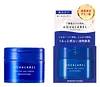
This brightening moisturizer is formulated around Tocopheryl Acetate and Camellia Sinensis Leaf Extract to brighten dull-looking skin and hydrate skin.
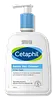
This mild cream cleanser is made to cleanse without leaving your skin tight or dry.


What's inside
What's inside
 Key Ingredients
Benefits
Concerns
Ingredients Side-by-side
Potassium Methoxysalicylate
BleachingTocopheryl Acetate
Antioxidant


Glutamic Acid
Humectant
Alanine
Masking
Methionine
Skin ConditioningPEG/PPG-14/7 Dimethyl Ether
Skin ConditioningCamellia Sinensis Leaf Extract
Antimicrobial



Glycine Soja Extract
Skin ConditioningYeast Extract
Skin ConditioningSoluble Collagen
Humectant
Sodium Acetylated Hyaluronate
Humectant
Sodium Hyaluronate
Humectant
Water
Skin ConditioningGlycerin
Humectant
Dipropylene Glycol
HumectantMethicone
Emollient
Tetradecane
Perfuming

Methyl/Phenyl Polysilsesquioxane
Cetyl Ethylhexanoate
EmollientButylene Glycol
Humectant
PEG-9 Polydimethylsiloxyethyl Dimethicone
Emulsifying
Trimethylsiloxysilicate
Emollient
Trehalose
Humectant
Carbomer
Emulsion StabilisingPotassium Hydroxide
BufferingSodium Acrylate/Sodium Acryloyldimethyl Taurate Copolymer
Emulsion StabilisingIsohexadecane
EmollientPolysorbate 80
Emulsifying

Acrylates/C10-30 Alkyl Acrylate Crosspolymer
Emulsion StabilisingAlcohol
Antimicrobial



Trisodium EDTA
ChelatingSodium Metabisulfite
Antioxidant
Sodium Metaphosphate
BufferingPhenoxyethanol
Preservative
Parfum
Masking
CI 77491
Cosmetic ColorantCI 77492
Cosmetic ColorantPotassium Methoxysalicylate, Tocopheryl Acetate, Glutamic Acid, Alanine, Methionine, PEG/PPG-14/7 Dimethyl Ether, Camellia Sinensis Leaf Extract, Glycine Soja Extract, Yeast Extract, Soluble Collagen, Sodium Acetylated Hyaluronate, Sodium Hyaluronate, Water, Glycerin, Dipropylene Glycol, Methicone, Tetradecane, Methyl/Phenyl Polysilsesquioxane, Cetyl Ethylhexanoate, Butylene Glycol, PEG-9 Polydimethylsiloxyethyl Dimethicone, Trimethylsiloxysilicate, Trehalose, Carbomer, Potassium Hydroxide, Sodium Acrylate/Sodium Acryloyldimethyl Taurate Copolymer, Isohexadecane, Polysorbate 80, Acrylates/C10-30 Alkyl Acrylate Crosspolymer, Alcohol, Trisodium EDTA, Sodium Metabisulfite, Sodium Metaphosphate, Phenoxyethanol, Parfum, CI 77491, CI 77492









Reviews
Ingredients Explained
These ingredients are found in both products.
Ingredients higher up in an ingredient list are typically present in a larger amount.
Glycerin (or glycerol) is a compound naturally found in your skin. It's a powerhouse humectant that pulls water into the stratum corneum.
Topically, glycerin does several things at once:
Your skin makes glycerin on its own (mostly from sebaceous oil breakdown) and shuttles it to your outermost layer of skin, or your epidermis, via aquaporin-3.
Aquaporin-3 is a transporter that is essential for normal skin hydration, elasticity, and repair. Interestingly, mice lacking in AQP3 have dry and less elastic skin that can be fully corrected with glycerin.
This ingredient is non-irritating, plays well with almost every ingredient, and works across all skin types. Typical use is anywhere between 3-10% but can go up to 79% in some leave-on products.
Just know very high concentrations (>40%) can feel tacky in low humidity.
Glycerin is the name for this ingredient in American English. British English uses Glycerol/Glycerine.
Learn more about GlycerinWater. It's the most common cosmetic ingredient of all. You'll usually see it at the top of ingredient lists, meaning that it makes up the largest part of the product.
So why is it so popular? Water most often acts as a solvent - this means that it helps dissolve other ingredients into the formulation.
You'll also recognize water as that liquid we all need to stay alive. If you see this, drink a glass of water. Remember to stay hydrated!
Learn more about Water

