
What's inside
What's inside
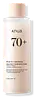 Key Ingredients
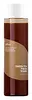
Benefits
Ingredients Side-by-side
Oryza Sativa Bran Water 71%
Masking
Butylene Glycol
Humectant

Glycerin
Humectant
Dipropylene Glycol
HumectantNiacinamide
Smoothing









Propanediol
Solvent
Water
Skin Conditioning1,2-Hexanediol
Skin Conditioning
Methyl Gluceth-20
Humectant
Panthenol
Skin Conditioning
Betaine
Humectant
Oryza Sativa Extract
Absorbent
Hydroxyacetophenone
Antioxidant
Diphenyl Dimethicone
Emollient
Triethylhexanoin
MaskingHydrogenated Lecithin
Emulsifying
Adenosine
Skin Conditioning
Ethylhexylglycerin
Skin ConditioningCarbomer
Emulsion StabilisingTromethamine
BufferingXanthan Gum
EmulsifyingGlyceryl Acrylate/Acrylic Acid Copolymer
HumectantTheobroma Cacao Seed Extract
Antioxidant
Sodium Hyaluronate
Humectant
Hydrolyzed Hyaluronic Acid
Humectant
Hyaluronic Acid
Humectant
Dextrin
AbsorbentHydrolyzed Rice Protein
Skin ConditioningOryza Sativa Seed Protein
Antioxidant
Ceramide NP
Skin Conditioning
Sodium Lauroyl Lactylate
EmulsifyingArbutin
Antioxidant
Ascorbic Acid
Antioxidant
Allantoin
Skin Conditioning
Ceramide AP
Skin Conditioning
Phytosphingosine
Skin Conditioning
Cholesterol
Emollient
Ceramide EOP
Skin Conditioning
Oryza Sativa Bran Water 71%, Butylene Glycol, Glycerin, Dipropylene Glycol, Niacinamide, Propanediol, Water, 1,2-Hexanediol, Methyl Gluceth-20, Panthenol, Betaine, Oryza Sativa Extract, Hydroxyacetophenone, Diphenyl Dimethicone, Triethylhexanoin, Hydrogenated Lecithin, Adenosine, Ethylhexylglycerin, Carbomer, Tromethamine, Xanthan Gum, Glyceryl Acrylate/Acrylic Acid Copolymer, Theobroma Cacao Seed Extract, Sodium Hyaluronate, Hydrolyzed Hyaluronic Acid, Hyaluronic Acid, Dextrin, Hydrolyzed Rice Protein, Oryza Sativa Seed Protein, Ceramide NP, Sodium Lauroyl Lactylate, Arbutin, Ascorbic Acid, Allantoin, Ceramide AP, Phytosphingosine, Cholesterol, Ceramide EOP
Camellia Sinensis Leaf Extract
Antimicrobial
Water
Skin ConditioningGinkgo Biloba Leaf Extract
Skin Conditioning
Centella Asiatica Extract
Cleansing
Salix Alba Bark Extract
Astringent
Vaccinium Angustifolium Fruit Extract
Skin Protecting
Pinus Palustris Leaf Extract
TonicUlmus Davidiana Root Extract
Skin Conditioning
Oenothera Biennis Flower Extract
AstringentPueraria Lobata Root Extract
HumectantHydrolyzed Hyaluronic Acid
Humectant
Ammonium Acryloyldimethyltaurate/Vp Copolymer
Allantoin
Skin Conditioning
Dipotassium Glycyrrhizate
Humectant
Beta-Glucan
Skin Conditioning
Disodium EDTA
Hydroxyacetophenone
Antioxidant
Camellia Sinensis Leaf Extract, Water, Ginkgo Biloba Leaf Extract, Centella Asiatica Extract, Salix Alba Bark Extract, Vaccinium Angustifolium Fruit Extract, Pinus Palustris Leaf Extract, Ulmus Davidiana Root Extract, Oenothera Biennis Flower Extract, Pueraria Lobata Root Extract, Hydrolyzed Hyaluronic Acid, Ammonium Acryloyldimethyltaurate/Vp Copolymer, Allantoin, Dipotassium Glycyrrhizate, Beta-Glucan, Disodium EDTA, Hydroxyacetophenone
Reviews
Ingredients Explained
These ingredients are found in both products.
Ingredients higher up in an ingredient list are typically present in a larger amount.
Allantoin is a soothing ingredient known for its protective and moisturizing properties; it's basically a quiet workhorse ingredient you can find in a huge range of cosmetics.
Though it can be derived from the comfrey plant, allantoin is produced synthetically for cosmetic products to ensure purity.
Research shows it can encourage your skin cells to turn over and renew by stimulating keratinocyte and fibroblast proliferation.
It also has mild keratolytic properties to help loosen and shed dead skin cells without being harsh.
Studies also suggest allantoin can help calm inflammation by dialing down some of the chemical signals your skin sends out when it is irritated.
This ingredient is typically used in the 0.1-0.5% range, and the FDA recognizes it as a skin protectant in OTC products up to 2%.
Overall, allantoin is a wonderful addition to most routines; it is stable across a wide pH range (~4-8), works well with other ingredients, and is considered non-sensitizing/non-irritating.
Fun fact: Allantoin is naturally occurring in comfrey root, beets, chamomile, and wheat sprouts. Our bodies even produce it as a byproduct of uric acid metabolism.
Learn more about AllantoinHydrolyzed Hyaluronic Acid is hyaluronic acid (HA) that is broken down into lower molecular weight fragments.
It's a humectant that pulls and holds water in the skin to help with hydration, plumpness, and reduce transepidermal water loss.
Because hydrolyzed hyaluronic acid is smaller in size, it can slip past your outermost layer of skin more easily than full-sized HA.
Most formulations will combine all sizes to get the best of both worlds.
Typical usage levels range from 0.01-1%. Any percentage higher than 2% might become goopy and tacky.
Learn more about Hydrolyzed Hyaluronic AcidHydroxyacetophenone is antioxidant with skin conditioning and soothing properties. It also boosts the efficiency of preservatives.
Though naturally occuring in Norwegian spruce needles, this ingredient is usually synthetically created.
This ingredient is not irritating or sensitizing. Recent research also suggests it may have skin-brightening effects through tyrosinase inhibition.
Learn more about HydroxyacetophenoneWater. It's the most common cosmetic ingredient of all. You'll usually see it at the top of ingredient lists, meaning that it makes up the largest part of the product.
So why is it so popular? Water most often acts as a solvent - this means that it helps dissolve other ingredients into the formulation.
You'll also recognize water as that liquid we all need to stay alive. If you see this, drink a glass of water. Remember to stay hydrated!
Learn more about Water
