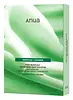
This calming sheet mask is formulated around Dipotassium Glycyrrhizate and Ceramide NP to calm redness and strengthen the skin barrier.
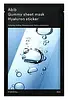
This hydrating sheet mask is formulated around Sodium Hyaluronate and Panthenol to hydrate skin and calm redness.

What's inside
What's inside
 Key Ingredients
Benefits
Concerns
Ingredients Side-by-side
Water
Skin ConditioningDipropylene Glycol
HumectantGlycerin
Humectant


Cetyl Ethylhexanoate
EmollientHydroxyacetophenone
Antioxidant
Caprylyl Glycol
Emollient
Dipotassium Glycyrrhizate
Humectant

1,2-Hexanediol
Skin Conditioning
Sodium Hyaluronate
Humectant

Hydrogenated Vegetable Oil
Emollient




Lecithin
Emollient
Polyglyceryl-3 Methylglucose Distearate
Emulsifying
Cetearyl Alcohol
Emollient

Glyceryl Stearate
Emollient
Houttuynia Cordata Flower/Leaf/Stem Water
Antimicrobial
Carbomer
Emulsion StabilisingArginine
Masking
Ethylhexylglycerin
Skin ConditioningTocopherol
Antioxidant


Sodium Phytate
ChelatingPanthenol
Skin Conditioning
Butyrospermum Parkii Butter
Skin Conditioning
Ceramide NP
Skin Conditioning
Phytosphingosine
Skin Conditioning
Water, Dipropylene Glycol, Glycerin, Cetyl Ethylhexanoate, Hydroxyacetophenone, Caprylyl Glycol, Dipotassium Glycyrrhizate, 1,2-Hexanediol, Sodium Hyaluronate, Hydrogenated Vegetable Oil, Lecithin, Polyglyceryl-3 Methylglucose Distearate, Cetearyl Alcohol, Glyceryl Stearate, Houttuynia Cordata Flower/Leaf/Stem Water, Carbomer, Arginine, Ethylhexylglycerin, Tocopherol, Sodium Phytate, Panthenol, Butyrospermum Parkii Butter, Ceramide NP, Phytosphingosine
Water
Skin ConditioningDipropylene Glycol
HumectantButylene Glycol
Humectant
Methylpropanediol
SolventGlycerin
Humectant
Propanediol
Solvent
Glyceryl Glucoside
Humectant
Hydroxyacetophenone
Antioxidant
Polyglyceryl-10 Laurate
Skin Conditioning
Caprylyl Glycol
Emollient
Arginine
Masking
Carbomer
Emulsion Stabilising1,2-Hexanediol
Skin Conditioning
Ethylhexylglycerin
Skin ConditioningCellulose Gum
Emulsion StabilisingXylitylglucoside
Humectant
Anhydroxylitol
Humectant
Xylitol
Humectant
Sodium Hyaluronate
Humectant
Glucose
Humectant
Sedum Sarmentosum Extract
HumectantPanthenol
Skin Conditioning
Hyaluronic Acid
Humectant
Dipotassium Glycyrrhizate
Humectant
Methyl Diisopropyl Propionamide
MaskingMenthyl Lactate
Masking
Rosmarinus Officinalis Leaf Extract
AntimicrobialHydrogenated Lecithin
Emulsifying
Niacinamide
Smoothing




Pantolactone
Humectant
Sodium Guaiazulene Sulfonate
SurfactantBenzyl Glycol
SolventHydrolyzed Glycosaminoglycans
HumectantSodium Hyaluronate Crosspolymer
Humectant
Hydrolyzed Hyaluronic Acid
Humectant
Asiaticoside
Antioxidant
Asiatic Acid
Skin Conditioning
Madecassic Acid
Skin Conditioning
Hydroxypropyltrimonium Hyaluronate
Sodium Acetylated Hyaluronate
Humectant
Disodium EDTA
ChelatingWater, Dipropylene Glycol, Butylene Glycol, Methylpropanediol, Glycerin, Propanediol, Glyceryl Glucoside, Hydroxyacetophenone, Polyglyceryl-10 Laurate, Caprylyl Glycol, Arginine, Carbomer, 1,2-Hexanediol, Ethylhexylglycerin, Cellulose Gum, Xylitylglucoside, Anhydroxylitol, Xylitol, Sodium Hyaluronate, Glucose, Sedum Sarmentosum Extract, Panthenol, Hyaluronic Acid, Dipotassium Glycyrrhizate, Methyl Diisopropyl Propionamide, Menthyl Lactate, Rosmarinus Officinalis Leaf Extract, Hydrogenated Lecithin, Niacinamide, Pantolactone, Sodium Guaiazulene Sulfonate, Benzyl Glycol, Hydrolyzed Glycosaminoglycans, Sodium Hyaluronate Crosspolymer, Hydrolyzed Hyaluronic Acid, Asiaticoside, Asiatic Acid, Madecassic Acid, Hydroxypropyltrimonium Hyaluronate, Sodium Acetylated Hyaluronate, Disodium EDTA
Reviews
Ingredients Explained
These ingredients are found in both products.
Ingredients higher up in an ingredient list are typically present in a larger amount.
1,2-Hexanediol is a synthetic liquid and another multi-functional powerhouse.
It is a:
- Humectant, drawing moisture into the skin
- Emollient, helping to soften skin
- Solvent, dispersing and stabilizing formulas
- Preservative booster, enhancing the antimicrobial activity of other preservatives
Arginine is a semi-essential amino acid. This just means our bodies can product a bit on its own, but sometimes needs a little boost from food sources.
It is a part of your skin's natural moisturizing factor (NMF), or the water-loving molecules in your outermost layer of skin (stratum corneum) that keeps everything hydrated and happy.
Here's an interesting thing about Arginine: your skin converts it into urea through the Krebs-Henseleit urea cycle. Urea is one of the most effective humectants your skin naturally produces.
A clinical study showed applying 2.5% arginine hydrochloride to atopic dermatitis skin showed significant urea levels in the stratum corneum and improved moisture in just four weeks.
Arginine is also a precursor to nitric oxide; nitric oxide improves microcirculation and supports wound healing and collagen synthesis.
One study found that an amino acid complex containing Arginine reduced skin irritation, improved hydration, and accelerated skin repair in clinical / in-vivo studies.
Arginine itself is an amino acid and not a fatty acid, oil, or ester. On its own, it's not a direct food source for Malassezia, or the yeast that causes fungal acne.
Learn more about ArginineCaprylyl Glycol is a humectant, skin conditioner, emollient, and preservative booster derived from either caprylic acid or synthetically created.
Typical use levels vary from 0.3-1% as a preservative booster and go up to 2% to condition skin.
Because it is not a free-fatty acid, this ingredient is fungal acne safe (there's nothing for Malassezia to feed on).
Learn more about Caprylyl GlycolCarbomer is a synthetic thickening and gelling agent. It's basically the ingredient that gives a lot of serums, gels, creams, and sunscreens their smooth, non-sticky texture.
Although legally permitted at very high levels, carbomers are normally used at concentrations below 1%.
It also needs to be neutralized to actually thicken, and because it is a large molecule, it doesn't really penetrate the skin barrier.
Allergy-wise, the risk is very low. Clinical studies show carbomers have low potential for skin irritation/sensitization even at concentrations up to 100%.
A 2024 UK study patch-tested 1,302 patients and found true allergy to the parent group of carbomer to be rare with no confirmed relevant reactions.
Learn more about CarbomerDipotassium Glycyrrhizate comes from licorice root.
Extracts of licorice have demonstrated to have antibacterial, anti‐inflammatory, antiviral, antioxidant properties.
One component, glabridin, has extra potent antioxidant and soothing properties. It has also been found to block pigmentation from UVB rays in guinea pigs.
Licorice Root also contains a flavonoid. Flavonoids are a natural substance from in plants. Flavonoids also have antioxidant properties.
Another component, glycyrrhizin, has been found to have anti-inflammatory and antimicrobial benefits. This may make licorice root extract effective at treating acne. However, more research is needed to support this.
Liquiritin is one of the flavone compounds found in licorice. It has been found to help lighten skin by preventing tyrosinase from reacting with tyrosine. When the two react, protein is converted to melanin. Melanin is the substance in your body that gives your features pigmentation.
Licorice root is native to Southern Europe and Asia. It has been used in traditional Chinese medicine to help with respiratory issues.
Learn more about Dipotassium GlycyrrhizateDipropylene Glycol is a synthetically created humectant, stabilizer, and solvent.
This ingredient helps:
Dipropylene glycol is technically an alcohol, but it belongs to the glycol family (often considered part of the ‘good’ alcohols). This means it is hydrating and gentle on skin unlike drying solvent alcohols like denatured alcohol.
As a masking agent, Dipropylene Glycol can be used to cover the smell of other ingredients. However, it does not have a scent.
Studies show Dipropylene Glycol is considered safe to use in skincare.
Learn more about Dipropylene GlycolEthylhexylglycerin is created from glycerin. It is a multitasker ingredient that:
The CIR Expert Panel found minimal skin absorption or sensitization of any kind in a safety assessment. Though this ingredient is considered well-tolerated, a small number of cases of allergic dermatitis have been published since 2002. Just be sure to patch test if you are unsure.
Industry-reported use ranges from 8% in rinse-off products and 2% in leave-on formulations.
Learn more about EthylhexylglycerinGlycerin (or glycerol) is a compound naturally found in your skin. It's a powerhouse humectant that pulls water into the stratum corneum.
Topically, glycerin does several things at once:
Your skin makes glycerin on its own (mostly from sebaceous oil breakdown) and shuttles it to your outermost layer of skin, or your epidermis, via aquaporin-3.
Aquaporin-3 is a transporter that is essential for normal skin hydration, elasticity, and repair. Interestingly, mice lacking in AQP3 have dry and less elastic skin that can be fully corrected with glycerin.
This ingredient is non-irritating, plays well with almost every ingredient, and works across all skin types. Typical use is anywhere between 3-10% but can go up to 79% in some leave-on products.
Just know very high concentrations (>40%) can feel tacky in low humidity.
Glycerin is the name for this ingredient in American English. British English uses Glycerol/Glycerine.
Learn more about GlycerinHydroxyacetophenone is a small phenolic molecule that earns its place in a formulas as an antioxidant and preservative booster.
As a phenol, it is able to neutralize free radicals to protect both the product and the skin from oxidative stress.
Though it can't kill microbes on its own, it works as a good supporting agent when combined with other preservatives like Phenoxyethanol or 1,2-Hexanediol.
This ingredient naturally occurs as piceol in Norwegian spruce needles (~0.4-1.1% dry weight and in cloudberries). Though the cosmetic-grade material is synthesized for purity and consistency.
You'll usually see it used at low levels and suppliers recommend up to 1% added to a water phase.
Safety testing was done at concentrations like 0.05% in SPF products and 0.5% in a Human Repeated Insult Patch Test. The safety evidence is assuring; this ingredient is safe for cosmetics in current use and also holds safety status as a food flavoring as well.
An honest caveat: the "soothing" and "anti-inflammatory" claims come mostly from supplier marketing rather than published clinical trials. The Cosmetic Ingredient Review's own literature search found no useful efficacy studies on this ingredient.
So the antioxidant and preservative-boosting roles are the well supported ones while the calming benefit is plausible but thinly evidenced.
Overall, this is a well-tolerated, low-irritation multitasker that quietly helps a formula stay fresh and stable.
Learn more about HydroxyacetophenonePanthenol is a common ingredient that helps hydrate and soothe the skin. It is found naturally in our skin and hair.
There are two forms of panthenol: D and L.
D-panthenol is also known as dexpanthenol. Most cosmetics use dexpanthenol or a mixture of D and L-panthenol.
Panthenol is famous due to its ability to go deeper into the skin's layers. Using this ingredient has numerous pros (and no cons):
Like hyaluronic acid, panthenol is a humectant. Humectants are able to bind and hold large amounts of water to keep skin hydrated.
This ingredient works well for wound healing. It works by increasing tissue in the wound and helps close open wounds.
Once oxidized, panthenol converts to pantothenic acid. Panthothenic acid is found in all living cells.
This ingredient is also referred to as pro-vitamin B5.
Learn more about PanthenolSodium Hyaluronate is the salt form of hyaluronic acid. It is a long sugar chain that is naturally found in your skin, joints, and connective tissue that maintains hydration and elasticity.
In skincare, it works as a humectant. It pulls water from the environment and deeper layers of skin and binds it to the surface.
Interestingly, the size of the molecule affects its behavior:
Some clinical evidence links low molecular weight versions to improved wrinkle depth, elasticity, anti-inflammatory effects, and barrier repair.
Many serums use a blend of both weights so you can get surface hydration plus longer-lasting and deeper effects.
You'll typically see concentrations between 0.1-2% for this ingredient.
Learn more about Sodium HyaluronateWater. It's the most common cosmetic ingredient of all. You'll usually see it at the top of ingredient lists, meaning that it makes up the largest part of the product.
So why is it so popular? Water most often acts as a solvent - this means that it helps dissolve other ingredients into the formulation.
You'll also recognize water as that liquid we all need to stay alive. If you see this, drink a glass of water. Remember to stay hydrated!
Learn more about Water

