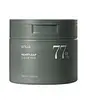
This smoothing toner pad uses a pre-saturated pad with Gluconolactone and Centella Asiatica Extract to refine skin texture and calm redness.
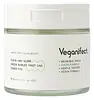
This smoothing toner pad uses a pre-saturated pad with Citric Acid and Capryloyl Salicylic Acid to refine skin texture and refine the look of pores.

What's inside
What's inside
 Key Ingredients
Benefits
Concerns
No concerns
Ingredients Side-by-side
Houttuynia Cordata Flower/Leaf/Stem Water
Antimicrobial
Water
Skin ConditioningGluconolactone
Skin Conditioning







Propanediol
Solvent

Tromethamine
BufferingButylene Glycol
Humectant
1,2-Hexanediol
Skin Conditioning
Sodium Phytate
Betaine
Humectant
Ammonium Acryloyldimethyltaurate/Vp Copolymer
Oenothera Biennis Flower Extract
AstringentPueraria Lobata Root Extract
HumectantPinus Palustris Leaf Extract
TonicUlmus Davidiana Root Extract
Skin Conditioning
Camellia Sinensis Leaf Extract
Antimicrobial
Coix Lacryma-Jobi Ma-Yuen Seed Extract
Skin ConditioningCentella Asiatica Extract
Cleansing
Portulaca Oleracea Extract
Skin Conditioning
Madecassoside
Antioxidant
Asiaticoside
Antioxidant
Asiatic Acid
Skin Conditioning
Madecassic Acid
Skin Conditioning
Houttuynia Cordata Flower/Leaf/Stem Water, Water, Gluconolactone, Propanediol, Tromethamine, Butylene Glycol, 1,2-Hexanediol, Sodium Phytate, Betaine, Ammonium Acryloyldimethyltaurate/Vp Copolymer, Oenothera Biennis Flower Extract, Pueraria Lobata Root Extract, Pinus Palustris Leaf Extract, Ulmus Davidiana Root Extract, Camellia Sinensis Leaf Extract, Coix Lacryma-Jobi Ma-Yuen Seed Extract, Centella Asiatica Extract, Portulaca Oleracea Extract, Madecassoside, Asiaticoside, Asiatic Acid, Madecassic Acid
Oryza Sativa Bran Water
Masking
Butylene Glycol
Humectant
Dipropylene Glycol
HumectantGlycerin
Humectant
Diglycerin
Humectant
1,2-Hexanediol
Skin Conditioning
Water
Skin ConditioningPolyglyceryl-10 Laurate
Skin Conditioning

Acrylates/C10-30 Alkyl Acrylate Crosspolymer
Emulsion StabilisingTromethamine
BufferingCitric Acid
Buffering
Hydroxyethylcellulose
Emulsion StabilisingHordeum Vulgare Leaf Extract
Skin ConditioningBetaine
Humectant
Melia Azadirachta Leaf Extract
Skin ConditioningBeta-Glucan
Skin Conditioning
Dextrin
AbsorbentHordeum Vulgare Extract
EmollientMelia Azadirachta Flower Extract
Skin ConditioningSuccinic Acid
BufferingPanthenol
Skin Conditioning
Capryloyl Salicylic Acid
Exfoliating

Mandelic Acid
Antimicrobial
Gardenia Florida Fruit Extract
Skin ConditioningPinus Densiflora Leaf Extract
Antimicrobial
Coix Lacryma-Jobi Ma-Yuen Seed Extract
Skin ConditioningCitrus Junos Fruit Extract
Skin ConditioningArtemisia Princeps Leaf Extract
Skin ConditioningTocopherol
Antioxidant
Artemisia Annua Extract
Masking
Benzoic Acid
Masking

Benzaldehyde
Masking

Disodium EDTA
Ethylhexylglycerin
Skin ConditioningOryza Sativa Bran Water, Butylene Glycol, Dipropylene Glycol, Glycerin, Diglycerin, 1,2-Hexanediol, Water, Polyglyceryl-10 Laurate, Acrylates/C10-30 Alkyl Acrylate Crosspolymer, Tromethamine, Citric Acid, Hydroxyethylcellulose, Hordeum Vulgare Leaf Extract, Betaine, Melia Azadirachta Leaf Extract, Beta-Glucan, Dextrin, Hordeum Vulgare Extract, Melia Azadirachta Flower Extract, Succinic Acid, Panthenol, Capryloyl Salicylic Acid, Mandelic Acid, Gardenia Florida Fruit Extract, Pinus Densiflora Leaf Extract, Coix Lacryma-Jobi Ma-Yuen Seed Extract, Citrus Junos Fruit Extract, Artemisia Princeps Leaf Extract, Tocopherol, Artemisia Annua Extract, Benzoic Acid, Benzaldehyde, Disodium EDTA, Ethylhexylglycerin
Reviews
Ingredients Explained
These ingredients are found in both products.
Ingredients higher up in an ingredient list are typically present in a larger amount.
1,2-Hexanediol is a synthetic liquid and another multi-functional powerhouse.
It is a:
- Humectant, drawing moisture into the skin
- Emollient, helping to soften skin
- Solvent, dispersing and stabilizing formulas
- Preservative booster, enhancing the antimicrobial activity of other preservatives
Betaine is a humectant. Like hyaluronic acid, it helps attract and retain moisture in the skin. It’s known for being gentle and for helping the skin maintain balanced hydration.
Betaine is mainly used to improve hydration and support calmer skin. It helps skin cells regulate water balance because it functions as an osmolyte.
Some studies suggest betaine may support making skin tone more even.
Fun fact: Betaine naturally exists in the skin and the body. In cosmetic products, it can be either plant-derived (most commonly from sugar beets) or synthetically produced for consistency and stability.
Betaine is also known as trimethylglycine.
Learn more about BetaineButylene Glycol (or BG) is used within cosmetic products for a few different reasons:
Overall, Butylene Glycol is a safe and well-rounded ingredient that works well with other ingredients.
Though this ingredient works well with most skin types, some people with sensitive skin may experience a reaction such as allergic rashes, closed comedones, or itchiness.
Learn more about Butylene GlycolYou might know this plant as Job's Tears or Chinese pearl barley. It is a grain native to Southeast Asia.
This ingredient has skin conditioning properties. Emerging studies show the grain to exhibit antioxidant and anti-inflammation properties as well. (With one study finding this ingredient to be effective at blocking melanin when skin is exposed to UV).
Job's tears is rich in nutrients, such as thiamine, riboflavin, niacin and ascorbic acid.
You can also find great antioxidants such as ferulic acid, caffeic acid.
To top if off, ceramides are also present in this grain.
Learn more about Coix Lacryma-Jobi Ma-Yuen Seed ExtractTromethamine (aka THAM) is a synthetic amino acid that shows up in skincare as a helper ingredient.
It functions as a pH adjuster to help neutralize acidic ingredients and set a formula's pH to the right spot.
This matters a lot because a lot of actives (like vitamin C) needs a specific pH to work well and feel comfortable on skin.
Concentration use ranges from 0.1-1.0% depending on the formula.
Learn more about TromethamineWater. It's the most common cosmetic ingredient of all. You'll usually see it at the top of ingredient lists, meaning that it makes up the largest part of the product.
So why is it so popular? Water most often acts as a solvent - this means that it helps dissolve other ingredients into the formulation.
You'll also recognize water as that liquid we all need to stay alive. If you see this, drink a glass of water. Remember to stay hydrated!
Learn more about Water

