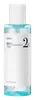
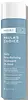
Anua BHA 2% Gentle Exfoliating Toner Versus Paula's Choice Daily Pore-Refining Treatment With 2% BHA
This smoothing toner is formulated around Salicylic Acid and Salix Alba Bark Extract to refine skin texture and clear breakouts.
This pore-care exfoliator is formulated around Salicylic Acid and Palmitoyl Tripeptide-1 to refine the look of pores and refine skin texture.


What's inside
What's inside
 Key Ingredients
Benefits
Concerns
Ingredients Side-by-side
Water
Skin ConditioningDipropylene Glycol
Humectant1,2-Hexanediol
Skin Conditioning
Salicylic Acid
Masking










C12-14 Pareth-12
EmulsifyingOctyldodeceth-16
EmulsifyingMelaleuca Alternifolia Leaf Extract
Perfuming
Pentylene Glycol
Skin Conditioning
Salix Alba Bark Extract
Astringent

Oenothera Biennis Flower Extract
AstringentUlmus Davidiana Root Extract
Skin Conditioning
Pinus Palustris Leaf Extract
TonicPueraria Lobata Root Extract
HumectantCentella Asiatica Extract
Cleansing


Ficus Carica Fruit Extract
Humectant
Hydrogenated Lecithin
Emulsifying
Sodium Hyaluronate
Humectant
Sodium Citrate
BufferingCitric Acid
Buffering
Xanthan Gum
EmulsifyingDisodium EDTA
Tocopherol
Antioxidant

Ceramide NP
Skin Conditioning
Butylene Glycol
Humectant
Dimethylsilanol Hyaluronate
Humectant
Hydrolyzed Sodium Hyaluronate
Skin Conditioning
Hydrolyzed Hyaluronic Acid
Humectant
Potassium Hyaluronate
Skin ConditioningHyaluronic Acid
Humectant
Sodium Hyaluronate Crosspolymer
Humectant
Hydroxypropyltrimonium Hyaluronate
Sodium Hyaluronate Dimethylsilanol
HumectantSodium Acetylated Hyaluronate
Humectant
Ethylhexylglycerin
Skin ConditioningWater, Dipropylene Glycol, 1,2-Hexanediol, Salicylic Acid, C12-14 Pareth-12, Octyldodeceth-16, Melaleuca Alternifolia Leaf Extract, Pentylene Glycol, Salix Alba Bark Extract, Oenothera Biennis Flower Extract, Ulmus Davidiana Root Extract, Pinus Palustris Leaf Extract, Pueraria Lobata Root Extract, Centella Asiatica Extract, Ficus Carica Fruit Extract, Hydrogenated Lecithin, Sodium Hyaluronate, Sodium Citrate, Citric Acid, Xanthan Gum, Disodium EDTA, Tocopherol, Ceramide NP, Butylene Glycol, Dimethylsilanol Hyaluronate, Hydrolyzed Sodium Hyaluronate, Hydrolyzed Hyaluronic Acid, Potassium Hyaluronate, Hyaluronic Acid, Sodium Hyaluronate Crosspolymer, Hydroxypropyltrimonium Hyaluronate, Sodium Hyaluronate Dimethylsilanol, Sodium Acetylated Hyaluronate, Ethylhexylglycerin
Water
Skin ConditioningDipropylene Glycol
HumectantSalicylic Acid
Masking
Pentylene Glycol
Skin Conditioning
Butylene Glycol
Humectant
Polysorbate 20
Emulsifying
Palmitoyl Tripeptide-1
Skin Conditioning
Palmitoyl Tetrapeptide-7
Skin Conditioning
Dipotassium Glycyrrhizate
Humectant
Nordihydroguaiaretic Acid
Antioxidant
Oleanolic Acid
Skin ConditioningSodium Hyaluronate
Humectant
Allantoin
Skin Conditioning
Trehalose
Humectant
Panthenol
Skin Conditioning
Glycerin
Humectant
PEG-60 Almond Glycerides
Emulsifying
Sodium Metabisulfite
Antioxidant
PEG/PPG-17/6 Copolymer
SolventMethyl Gluceth-20
Humectant
Bis-PEG-18 Methyl Ether Dimethyl Silane
EmollientGlycereth-26
Humectant
Sodium Hydroxide
BufferingCarbomer
Emulsion StabilisingDisodium EDTA
Caprylyl Glycol
Emollient
Water, Dipropylene Glycol, Salicylic Acid, Pentylene Glycol, Butylene Glycol, Polysorbate 20, Palmitoyl Tripeptide-1, Palmitoyl Tetrapeptide-7, Dipotassium Glycyrrhizate, Nordihydroguaiaretic Acid, Oleanolic Acid, Sodium Hyaluronate, Allantoin, Trehalose, Panthenol, Glycerin, PEG-60 Almond Glycerides, Sodium Metabisulfite, PEG/PPG-17/6 Copolymer, Methyl Gluceth-20, Bis-PEG-18 Methyl Ether Dimethyl Silane, Glycereth-26, Sodium Hydroxide, Carbomer, Disodium EDTA, Caprylyl Glycol
Reviews
Ingredients Explained
These ingredients are found in both products.
Ingredients higher up in an ingredient list are typically present in a larger amount.
Butylene Glycol (or BG) is used within cosmetic products for a few different reasons:
Overall, Butylene Glycol is a safe and well-rounded ingredient that works well with other ingredients.
Though this ingredient works well with most skin types, some people with sensitive skin may experience a reaction such as allergic rashes, closed comedones, or itchiness.
Learn more about Butylene GlycolDipropylene Glycol is a synthetically created humectant, stabilizer, and solvent.
This ingredient helps:
Dipropylene glycol is technically an alcohol, but it belongs to the glycol family (often considered part of the ‘good’ alcohols). This means it is hydrating and gentle on skin unlike drying solvent alcohols like denatured alcohol.
As a masking agent, Dipropylene Glycol can be used to cover the smell of other ingredients. However, it does not have a scent.
Studies show Dipropylene Glycol is considered safe to use in skincare.
Learn more about Dipropylene GlycolDisodium EDTA is a chelating agent. It grabs onto and deactivates metal ions that sneak into your products from water, packaging, or air.
This ingredient mainly works behind the scenes and helps with:
On top of that, this ingredient can counteract the effects of hard water by binding to the minerals in it.
One thing worth knowing is that Disodium EDTA has been shown to be a mild penetration enhancer. It can help other ingredients absorb into skin more effectively which can be a double-edged sword (great for actives, but can also make the active too strong if you have sensitive skin).
Clinical patch testing showed no significant skin irritation at typical use concentrations and minimal dermal absorption.
You'll most likely see this ingredient near the end of an ingredient list. It's typically found in concentrations less than 1%.
Learn more about Disodium EDTAPentylene Glycol (1,2-pentanediol) is a multitasking little diol with three main roles in a formula:
Research on alkanediols (the family pentylene glycol belongs to) show they work by disrupting microbial cell membranes. This disruption helps the primary preservative system in a product work more effectively at lower doses.
On the safety side, the Cosmetic Ingredient Review Expert Panel has concluded this ingredient to be safe as used in current cosmetic practices + concentrations.
Typical use levels in a formula run about 1-5%.
Learn more about Pentylene GlycolSalicylic Acid (also known as beta hydroxy acid or BHA) is a well-known ingredient for treating skin that struggles with acne and clogged pores. It exfoliates both the skin's surface and deep within the pores to help clear out buildup, control oil, and reduce inflammation.
Unlike AHAs (alpha hydroxy acids), salicylic acid is oil-soluble. This allows it to penetrate into pores which makes it especially effective for treating blackheads and preventing future breakouts.
Salicylic acid is also known for its soothing properties. It has a similar structure to aspirin and can calm inflamed or irritated skin, making it a good option for acne-prone skin that is also sensitive.
Concentrations of 0.5-2% are recognized by the U.S. FDA as an over-the-counter topical acne product.
It can cause irritation and/or dryness if one's skin already has a compromised moisture barrier, so it's best to focus on repairing that before introducing this ingredient into your routine.
While salicylic acid does not increase sun sensitivity, it’s still important to wear sunscreen daily to protect your skin.
If you are looking for the ingredient called BHA or Butylated Hydroxyanisole, click here.
Learn more about Salicylic AcidSodium Hyaluronate is the salt form of hyaluronic acid. It is a long sugar chain that is naturally found in your skin, joints, and connective tissue that maintains hydration and elasticity.
In skincare, it works as a humectant. It pulls water from the environment and deeper layers of skin and binds it to the surface.
Interestingly, the size of the molecule affects its behavior:
Some clinical evidence links low molecular weight versions to improved wrinkle depth, elasticity, anti-inflammatory effects, and barrier repair.
Many serums use a blend of both weights so you can get surface hydration plus longer-lasting and deeper effects.
You'll typically see concentrations between 0.1-2% for this ingredient.
Learn more about Sodium HyaluronateWater. It's the most common cosmetic ingredient of all. You'll usually see it at the top of ingredient lists, meaning that it makes up the largest part of the product.
So why is it so popular? Water most often acts as a solvent - this means that it helps dissolve other ingredients into the formulation.
You'll also recognize water as that liquid we all need to stay alive. If you see this, drink a glass of water. Remember to stay hydrated!
Learn more about Water

