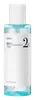
This smoothing toner is formulated around Salicylic Acid and Salix Alba Bark Extract to refine skin texture and clear breakouts.
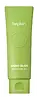
This smoothing exfoliator is formulated around Gluconolactone and Capryloyl Salicylic Acid to refine skin texture and brighten dull-looking skin.

What's inside
What's inside
 Key Ingredients
Benefits
Concerns
Ingredients Side-by-side
Water
Skin ConditioningDipropylene Glycol
Humectant1,2-Hexanediol
Skin Conditioning
Salicylic Acid
Masking










C12-14 Pareth-12
EmulsifyingOctyldodeceth-16
EmulsifyingMelaleuca Alternifolia Leaf Extract
Perfuming
Pentylene Glycol
Skin Conditioning
Salix Alba Bark Extract
Astringent

Oenothera Biennis Flower Extract
AstringentUlmus Davidiana Root Extract
Skin Conditioning
Pinus Palustris Leaf Extract
TonicPueraria Lobata Root Extract
HumectantCentella Asiatica Extract
Cleansing


Ficus Carica Fruit Extract
Humectant
Hydrogenated Lecithin
Emulsifying
Sodium Hyaluronate
Humectant
Sodium Citrate
BufferingCitric Acid
Buffering
Xanthan Gum
EmulsifyingDisodium EDTA
ChelatingTocopherol
Antioxidant

Ceramide NP
Skin Conditioning
Butylene Glycol
Humectant
Dimethylsilanol Hyaluronate
Humectant
Hydrolyzed Sodium Hyaluronate
Skin Conditioning
Hydrolyzed Hyaluronic Acid
Humectant
Potassium Hyaluronate
Skin ConditioningHyaluronic Acid
Humectant
Sodium Hyaluronate Crosspolymer
Humectant
Hydroxypropyltrimonium Hyaluronate
Sodium Hyaluronate Dimethylsilanol
HumectantSodium Acetylated Hyaluronate
Humectant
Ethylhexylglycerin
Skin ConditioningWater, Dipropylene Glycol, 1,2-Hexanediol, Salicylic Acid, C12-14 Pareth-12, Octyldodeceth-16, Melaleuca Alternifolia Leaf Extract, Pentylene Glycol, Salix Alba Bark Extract, Oenothera Biennis Flower Extract, Ulmus Davidiana Root Extract, Pinus Palustris Leaf Extract, Pueraria Lobata Root Extract, Centella Asiatica Extract, Ficus Carica Fruit Extract, Hydrogenated Lecithin, Sodium Hyaluronate, Sodium Citrate, Citric Acid, Xanthan Gum, Disodium EDTA, Tocopherol, Ceramide NP, Butylene Glycol, Dimethylsilanol Hyaluronate, Hydrolyzed Sodium Hyaluronate, Hydrolyzed Hyaluronic Acid, Potassium Hyaluronate, Hyaluronic Acid, Sodium Hyaluronate Crosspolymer, Hydroxypropyltrimonium Hyaluronate, Sodium Hyaluronate Dimethylsilanol, Sodium Acetylated Hyaluronate, Ethylhexylglycerin
Vigna Radiata Seed Extract
Skin ConditioningWater
Skin ConditioningGlycerin
Humectant
Gossypium Herbaceum Powder
AbsorbentCaprylic/Capric Triglyceride
Masking
Steartrimonium Methosulfate
1,2-Hexanediol
Skin Conditioning
Polyglyceryl-10 Laurate
Skin Conditioning
Hydrogenated Poly(C6-14 Olefin)
EmollientDipropylene Glycol
HumectantAcrylates/C10-30 Alkyl Acrylate Crosspolymer
Emulsion StabilisingCoptis Japonica Extract
AntimicrobialPolyglycerin-3
Humectant
Methyl Gluceth-20
Humectant
Methyl Gluceth-10
EmulsifyingGlycereth-26
Humectant
Carbomer
Emulsion StabilisingButylene Glycol
Humectant
Lactobacillus/Soymilk Ferment Filtrate
Skin ConditioningGlycine Soja Seed Extract
Skin Conditioning
Propanediol
Solvent
Dextrin
AbsorbentDisodium EDTA
ChelatingHydrolyzed Soy Protein
Humectant
Sodium Citrate
BufferingGardenia Florida Fruit Extract
Skin ConditioningEthylhexylglycerin
Skin ConditioningPanthenol
Skin Conditioning
Hydrogenated Lecithin
Emulsifying
Allantoin
Skin Conditioning
Trisodium Phosphate
BufferingGluconolactone
Chelating
Xanthan Gum
EmulsifyingCapryloyl Salicylic Acid
Exfoliating
Sodium Hyaluronate
Humectant
Hyaluronic Acid
Humectant
Vigna Radiata Seed Extract, Water, Glycerin, Gossypium Herbaceum Powder, Caprylic/Capric Triglyceride, Steartrimonium Methosulfate, 1,2-Hexanediol, Polyglyceryl-10 Laurate, Hydrogenated Poly(C6-14 Olefin), Dipropylene Glycol, Acrylates/C10-30 Alkyl Acrylate Crosspolymer, Coptis Japonica Extract, Polyglycerin-3, Methyl Gluceth-20, Methyl Gluceth-10, Glycereth-26, Carbomer, Butylene Glycol, Lactobacillus/Soymilk Ferment Filtrate, Glycine Soja Seed Extract, Propanediol, Dextrin, Disodium EDTA, Hydrolyzed Soy Protein, Sodium Citrate, Gardenia Florida Fruit Extract, Ethylhexylglycerin, Panthenol, Hydrogenated Lecithin, Allantoin, Trisodium Phosphate, Gluconolactone, Xanthan Gum, Capryloyl Salicylic Acid, Sodium Hyaluronate, Hyaluronic Acid
Reviews
Ingredients Explained
These ingredients are found in both products.
Ingredients higher up in an ingredient list are typically present in a larger amount.
1,2-Hexanediol is a synthetic liquid and another multi-functional powerhouse.
It is a:
- Humectant, drawing moisture into the skin
- Emollient, helping to soften skin
- Solvent, dispersing and stabilizing formulas
- Preservative booster, enhancing the antimicrobial activity of other preservatives
Butylene Glycol (or BG) is used within cosmetic products for a few different reasons:
Overall, Butylene Glycol is a safe and well-rounded ingredient that works well with other ingredients.
Though this ingredient works well with most skin types, some people with sensitive skin may experience a reaction such as allergic rashes, closed comedones, or itchiness.
Learn more about Butylene GlycolDipropylene Glycol is a synthetically created humectant, stabilizer, and solvent.
This ingredient helps:
Dipropylene glycol is technically an alcohol, but it belongs to the glycol family (often considered part of the ‘good’ alcohols). This means it is hydrating and gentle on skin unlike drying solvent alcohols like denatured alcohol.
As a masking agent, Dipropylene Glycol can be used to cover the smell of other ingredients. However, it does not have a scent.
Studies show Dipropylene Glycol is considered safe to use in skincare.
Learn more about Dipropylene GlycolDisodium EDTA is a chelating agent. It grabs onto and deactivates metal ions that sneak into your products from water, packaging, or air.
This ingredient mainly works behind the scenes and helps with:
On top of that, this ingredient can counteract the effects of hard water by binding to the minerals in it.
One thing worth knowing is that Disodium EDTA has been shown to be a mild penetration enhancer. It can help other ingredients absorb into skin more effectively which can be a double-edged sword (great for actives, but can also make the active too strong if you have sensitive skin).
Clinical patch testing showed no significant skin irritation at typical use concentrations and minimal dermal absorption.
You'll most likely see this ingredient near the end of an ingredient list. It's typically found in concentrations less than 1%.
Learn more about Disodium EDTAEthylhexylglycerin is created from glycerin. It is a multitasker ingredient that:
The CIR Expert Panel found minimal skin absorption or sensitization of any kind in a safety assessment. Though this ingredient is considered well-tolerated, a small number of cases of allergic dermatitis have been published since 2002. Just be sure to patch test if you are unsure.
Industry-reported use ranges from 8% in rinse-off products and 2% in leave-on formulations.
Learn more about EthylhexylglycerinHyaluronic acid (HA) is a glycosaminoglycan (basically a long sugar chain) that your skin already makes on its own. In your skin, HA lives in the extracellular matrix and acts as the body's moisture reservoir.
Topically, HA is a humectant that binds water and helps skin look more plump, smooth, and hydrated.
The only catch is that HA isn't a single thing; it actually comes in a wide range of molecular weights (~50 - 2,000+ kDA) and size matters.
Some clinical evidence links low molecular weight versions to improved wrinkle depth, elasticity, anti-inflammatory effects, and barrier repair.
This is why the best HA serums blend the two sizes together so you get the best of both worlds.
The majority of cosmetic HA is produced by bacterial fermentation, typically using Streptococcus or Bacillus strains. Typical use levels in skincare sit around 0.1-2%.
A clinical study using a 0.2% low-molecular weight HA gel showed improvement in facial seborrheic dermatitis with excellent tolerance.
These are some other common types of Hyaluronic Acid:
Learn more about Hyaluronic AcidHydrogenated Lecithin is a more stable version of lecithin.
It's made by taking lecithin (a phospholipid commonly found in soybeans and egg yolks) and hydrogenating it. This just means the unsaturated fatty acids are turned into saturated ones so they don't go bad as easily.
This ingredient is an emollient, emulsifier, and penetration enhancer. As an emollient, it helps soften and hydrate skin by trapping moisture within. As an emulsifier, it prevents oil and water ingredients from separating.
Hydrogenated Lecithin can form tiny spherical structures made of phospholipid bilayers called liposomes. These liposomes are able to capture compounds inside their structure and deliver them through the skin barrier.
Because phospholipids are a natural component of our cell membranes, this ingredient is inherently compatible with skin.
A 2021 study found lecithin-based surfactants were less harsh and more tolerable comared to Sodium Lauryl Sulfate (SLS).
Learn more about Hydrogenated LecithinSodium Citrate is the sodium salts of citric acid. In skincare, it is used to alter pH levels and acts as a preservative.
Its main functions are to maintain the pH of a product and neutralize metal ions.
The acidity of our skin is maintained by our glands and skin biome; normal pH level of skin is slightly acidic (~4.75-5.5).
Being slightly acidic allows our skin to create an "acid mantle". This acid mantle is a thin barrier that protects our skin from bacteria and contaminants.
Learn more about Sodium CitrateSodium Hyaluronate is the salt form of hyaluronic acid. It is a long sugar chain that is naturally found in your skin, joints, and connective tissue that maintains hydration and elasticity.
In skincare, it works as a humectant. It pulls water from the environment and deeper layers of skin and binds it to the surface.
Interestingly, the size of the molecule affects its behavior:
Some clinical evidence links low molecular weight versions to improved wrinkle depth, elasticity, anti-inflammatory effects, and barrier repair.
Many serums use a blend of both weights so you can get surface hydration plus longer-lasting and deeper effects.
You'll typically see concentrations between 0.1-2% for this ingredient.
Learn more about Sodium HyaluronateWater. It's the most common cosmetic ingredient of all. You'll usually see it at the top of ingredient lists, meaning that it makes up the largest part of the product.
So why is it so popular? Water most often acts as a solvent - this means that it helps dissolve other ingredients into the formulation.
You'll also recognize water as that liquid we all need to stay alive. If you see this, drink a glass of water. Remember to stay hydrated!
Learn more about WaterXanthan gum is used as a stabilizer and thickener within cosmetic products. It helps give products a sticky, thick feeling - preventing them from being too runny.
On the technical side of things, xanthan gum is a polysaccharide - a combination consisting of multiple sugar molecules bonded together.
Xanthan gum is a pretty common and great ingredient. It is a natural, non-toxic, non-irritating ingredient that is also commonly used in food products.
Learn more about Xanthan Gum

