Anastasia Beverly Hills Beauty Balm Serum Boosted Skin Tint Versus Bobbi Brown Skin Foundation Stick

What's inside
What's inside
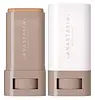 Key Ingredients
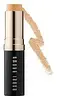
Benefits
Concerns
Ingredients Side-by-side
Caprylic/Capric Triglyceride
Masking


Coco-Caprylate/Caprate
Emollient
Ethylhexyl Isononanoate
EmollientTribehenin
Emollient
C20-40 Alcohols
EmulsifyingButyrospermum Parkii Butter
Skin Conditioning

Corn Starch Modified
AbsorbentPolyester-7
Skin ConditioningLauroyl Lysine
Skin Conditioning
Polymethylsilsesquioxane

Simmondsia Chinensis Seed Oil
Emollient

Hdi/Trimethylol Hexyllactone Crosspolymer
Neopentyl Glycol Diheptanoate
EmollientSilica
Abrasive

Polyethylene
Abrasive
Caprylyl Glycol
Emollient
Cocos Nucifera Oil
Masking
Sclerocarya Birrea Seed Oil
Humectant
Lecithin
Emollient
Dipalmitoyl Hydroxyproline
Skin Conditioning
Astrocaryum Murumuru Seed Butter
Emollient
Tocopheryl Acetate
Antioxidant


Helianthus Annuus Seed Oil
Emollient
Pentaerythrityl Tetraisostearate
Emollient
Palmitic Acid
Emollient
Ricinus Communis Seed Oil
Masking
Sodium Hyaluronate
Humectant


Hydrogenated Castor Oil
Emollient
Polygonum Aviculare Extract
EmollientWater
Skin ConditioningPropylene Carbonate
SolventStearalkonium Hectorite
Gel FormingPalmitoyl Tripeptide-1
Skin Conditioning

Tocopherol
Antioxidant
CI 77891
Cosmetic ColorantIron Oxides
Caprylic/Capric Triglyceride, Coco-Caprylate/Caprate, Ethylhexyl Isononanoate, Tribehenin, C20-40 Alcohols, Butyrospermum Parkii Butter, Corn Starch Modified, Polyester-7, Lauroyl Lysine, Polymethylsilsesquioxane, Simmondsia Chinensis Seed Oil, Hdi/Trimethylol Hexyllactone Crosspolymer, Neopentyl Glycol Diheptanoate, Silica, Polyethylene, Caprylyl Glycol, Cocos Nucifera Oil, Sclerocarya Birrea Seed Oil, Lecithin, Dipalmitoyl Hydroxyproline, Astrocaryum Murumuru Seed Butter, Tocopheryl Acetate, Helianthus Annuus Seed Oil, Pentaerythrityl Tetraisostearate, Palmitic Acid, Ricinus Communis Seed Oil, Sodium Hyaluronate, Hydrogenated Castor Oil, Polygonum Aviculare Extract, Water, Propylene Carbonate, Stearalkonium Hectorite, Palmitoyl Tripeptide-1, Tocopherol, CI 77891, Iron Oxides
Caprylic/Capric Triglyceride
Masking
Ethylhexyl Palmitate
Emollient
Cetyl Dimethicone
Emollient
Polymethylsilsesquioxane
Cera Alba
Emollient
Ozokerite
Emulsion StabilisingEuphorbia Cerifera Cera
Astringent
Butyrospermum Parkii Butter
Skin Conditioning
Talc
Abrasive
Octyldodecanol
Emollient
Caprylic/Capric/Myristic/Stearic Triglyceride
EmollientSilica
Abrasive
Propylene Glycol Laurate
Skin ConditioningTocopherol
Antioxidant
Squalane
Emollient
Pentaerythrityl Tetra-Di-T-Butyl Hydroxyhydrocinnamate
Antioxidant
Mica
Cosmetic ColorantCI 77491
Cosmetic ColorantCI 77492
Cosmetic ColorantCI 77499
Cosmetic ColorantCI 77891
Cosmetic ColorantCaprylic/Capric Triglyceride, Ethylhexyl Palmitate, Cetyl Dimethicone, Polymethylsilsesquioxane, Cera Alba, Ozokerite, Euphorbia Cerifera Cera, Butyrospermum Parkii Butter, Talc, Octyldodecanol, Caprylic/Capric/Myristic/Stearic Triglyceride, Silica, Propylene Glycol Laurate, Tocopherol, Squalane, Pentaerythrityl Tetra-Di-T-Butyl Hydroxyhydrocinnamate, Mica, CI 77491, CI 77492, CI 77499, CI 77891
Alternatives
Ingredients Explained
These ingredients are found in both products.
Ingredients higher up in an ingredient list are typically present in a larger amount.
This ingredient is also known as shea butter. It is a plant-derived extract from the nuts of the Africa shea tree and one of the most well-studied emollients.
Because it has a high concentration of fatty acids (primarily oleic, stearic, and linoleic) it is able to form a protective barrier on the skin's surface. This helps seal in moisture and prevents transepidermal water loss (TEWL).
In vitro research found an increase in skin hydration by 58% and a decrease in TEWL by 37.8% after 24 hours of applying this ingredient (pretty impressive for a single ingredient!).
Besides hydration, shea butter also contains triterpenes that have anti-inflammatory potential. In particule, lupeol cinnamate has shown the highest anti-inflammatory activity in vivo.
Shea butter also contains vitamins A and E which may contribute to antioxidant activity.
While Shea Butter has an SPF rating of about 3-4, it is not a sunscreen replacement.
This ingredient may not be fungal acne safe because its fatty acids fall within the C11-C24 range that the Malassezia yeast can metabolize.
Learn more about Butyrospermum Parkii ButterCaprylic/Capric Triglyceride (aka MCT Oil) is a lightweight emollient, solvent, and texture enhancer. It is considered a skin-softener by helping to prevent moisture loss.
Though it behaves like an oil, it is not technically one due to its chemical composition. One perk of this ingredient is that it is very stable, resistant to oxidation, and unlikely to go rancid.
In practice, that translates to a long shelf life and a consistently elegant skin feel.
While there is an assumption Caprylic Triglyceride can clog pores due to it being derived from coconut oil, there is no research supporting this. Just patch test if you have concerns.
Fractionated coconut oil and MCT Oil are both listed as Caprylic/Capric Triglyceride according to INCI. This is because INCI names are based on the ingredient’s final chemical composition and not its marketing name or source.
This ingredient is treated as the gold standard fungal acne safe oil. Even though it is coconut derived, the problematic lauric acid is stripped out.
This leaves just caprylic (C8) and capric (C10) acid. These chain lengths actually trend antifungal; a 2020 study found caprylic acid was enough to disrupt Malassezia furfur cell membrane, with a caprylic acid derivative damaging membrane structures at concentrations as low as 0.2%.
Learn more about Caprylic/Capric TriglycerideCi 77891 is a white pigment from Titanium dioxide. It is naturally found in minerals such as rutile and ilmenite.
It's main function is to add a white color to cosmetics. It can also be mixed with other colors to create different shades.
Ci 77891 is commonly found in sunscreens due to its ability to block UV rays.
Learn more about CI 77891Polymethylsilsesquioxane is a silicone used as a film forming agent.
When applied to the skin, this ingredient creates an invisible film on the surface. This film still allows oxygen to pass through, but prevents moisture from escaping. This can help condition and hydrate the skin. It also leaves a silky feel when applied.
Polymethylsilsesquioxane has not been shown to clog pores. It has been deemed safe to use up to 55%, but most cosmetics use much less.
If you have concerns about using this ingredient, we recommend speaking with a professional.
Learn more about PolymethylsilsesquioxaneSilica, also known as silicon dioxide, is a naturally occurring mineral. It is used as a fine, spherical, and porous powder in cosmetics.
Though it has exfoliant properties, the function of silica varies depending on the product.
The unique structure of silica enhances the spreadability and adds smoothness, making it a great texture enhancer.
It is also used as an active carrier, emulsifier, and mattifier due to its ability to absorb excess oil.
In some products, tiny microneedles called spicules are made from silica or hydrolyzed sponge. When you rub them in, they lightly polish away dead skin layers and enhance the penetration of active ingredients.
Learn more about SilicaTocopherol is a fat-soluble antioxidant known as Vitamin E.
You'll find this ingredient in the vast majority of skincare (for good reason). It works to neutralize free radicals, or unstable molecules generated by UV exposure, pollution, and other environmental stressors, before they can cause oxidative damage to your skin cells.
Topically applied tocopherol has been shown to protect against UV damage by ramping up the skin's own natural defense enzymes.
It also acts as a skin conditioning agent; some studies show that regular topical use can improve the skin's water-binding capacity over 2-4 weeks.
This ingredient is especially loved for being a team player. When combined with Vitamin C, the photoprotective effect of both ingredients roughly doubles and the combo also helps reduce UV-induced DNA damage.
This ingredient has some brightening potential but it's more of a prevention ingredient than spot-fader. Cell studies show it can slow down melanin production but it's worth noting that it's not the most powerful brightener out there.
In formulations, it also serves as a stabilizer that helps protect other oxidation-prone ingredients from degrading.
Concentrations usually range from 0.1-1% in most leave-on products.
Learn more about Tocopherol
