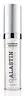
This anti-aging serum is formulated around Palmitoyl Tripeptide-1 and Palmitoyl Hexapeptide-12 to soften the look of wrinkles.
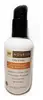
This anti-aging moisturizer is formulated around Aloe Barbadensis Leaf Juice and Tocopherol to soften the look of wrinkles and hydrate skin.

What's inside
What's inside
 Key Ingredients
Benefits
Concerns
Ingredients Side-by-side
Cyclopentasiloxane
Emollient
Dimethicone Crosspolymer
Emulsion Stabilising
Pentaerythrityl Tetraisostearate
Emollient

Heptyl Undecylenate
EmollientGlycine Soja Oil
Emollient






Panthenyl Triacetate
Palmitoyl Tripeptide-1
Skin Conditioning



Palmitoyl Hexapeptide-12
Skin Conditioning
Naringenin
Skin ConditioningOleuropein
Antioxidant
Olea Europaea Leaf Extract
Perfuming
Phosphatidylserine
Emulsion StabilisingArnica Montana Extract
Skin ConditioningPhospholipids
Skin Conditioning
Dunaliella Salina Extract
Skin ConditioningTocopherol
Antioxidant


Ascorbyl Palmitate
Antioxidant
Squalane
Emollient
Caprylic/Capric Triglyceride
Masking
Caprylyl Methicone
Skin Conditioning
Propylene Carbonate
SolventStearalkonium Hectorite
Gel FormingCyclopentasiloxane, Dimethicone Crosspolymer, Pentaerythrityl Tetraisostearate, Heptyl Undecylenate, Glycine Soja Oil, Panthenyl Triacetate, Palmitoyl Tripeptide-1, Palmitoyl Hexapeptide-12, Naringenin, Oleuropein, Olea Europaea Leaf Extract, Phosphatidylserine, Arnica Montana Extract, Phospholipids, Dunaliella Salina Extract, Tocopherol, Ascorbyl Palmitate, Squalane, Caprylic/Capric Triglyceride, Caprylyl Methicone, Propylene Carbonate, Stearalkonium Hectorite
Water
Skin ConditioningAloe Barbadensis Leaf Juice
Skin Conditioning
Ethylhexyl Palmitate
Emollient
Glycerin
Humectant
Glyceryl Stearate
Emollient
Polysorbate 60
Emulsifying
Cetearyl Alcohol
Emollient
Phenoxyethanol
Preservative
Cetearyl Glucoside
Emulsifying
Sodium PCA
Humectant
Ethylhexylglycerin
Skin ConditioningButyrospermum Parkii Butter
Skin Conditioning
Tocopheryl Acetate
Antioxidant
Xanthan Gum
EmulsifyingTocopherol
Antioxidant
Sorbic Acid
Preservative
Soluble Collagen
Humectant
Panthenol
Skin Conditioning
Ascorbyl Palmitate
Antioxidant
Punica Granatum Extract
AstringentGinkgo Biloba Leaf Extract
Skin Conditioning
Coffea Arabica Seed Oil
Masking
Chamomilla Recutita Flower
Skin Conditioning
Camellia Sinensis Leaf Extract
Antimicrobial

Sodium Hyaluronate
Humectant
Sorbitan Stearate
Emulsifying
Phytonadione
Menadione
MaskingHydrolyzed Silk
Humectant
2-Dimethylamino Ethanol
Copper PCA
HumectantRetinol
Skin Conditioning


Retinyl Palmitate
Skin Conditioning
Ubiquinone
Antioxidant
Thioctic Acid
Antioxidant
Cholecalciferol
Polysorbate 20
Emulsifying
C12-15 Alkyl Benzoate
AntimicrobialPhospholipids
Skin Conditioning
Water, Aloe Barbadensis Leaf Juice, Ethylhexyl Palmitate, Glycerin, Glyceryl Stearate, Polysorbate 60, Cetearyl Alcohol, Phenoxyethanol, Cetearyl Glucoside, Sodium PCA, Ethylhexylglycerin, Butyrospermum Parkii Butter, Tocopheryl Acetate, Xanthan Gum, Tocopherol, Sorbic Acid, Soluble Collagen, Panthenol, Ascorbyl Palmitate, Punica Granatum Extract, Ginkgo Biloba Leaf Extract, Coffea Arabica Seed Oil, Chamomilla Recutita Flower, Camellia Sinensis Leaf Extract, Sodium Hyaluronate, Sorbitan Stearate, Phytonadione, Menadione, Hydrolyzed Silk, 2-Dimethylamino Ethanol, Copper PCA, Retinol, Retinyl Palmitate, Ubiquinone, Thioctic Acid, Cholecalciferol, Polysorbate 20, C12-15 Alkyl Benzoate, Phospholipids
Reviews
Alternatives
Ingredients Explained
These ingredients are found in both products.
Ingredients higher up in an ingredient list are typically present in a larger amount.
Ascorbyl Palmitate is a fat-soluble form of vitamin C (Ascorbic Acid) made by combining it with palmitic acid.
It is able to blend easily into creams and oil-based formulas because it dissolves in oils rather than water.
As you may know, regular vitamin C is notorious for breaking down when exposed to sunlight and air. Ascorbyl Palmitate is more stable and degrades at a slower rate.
Research on whether it converts efficiently into active vitamin C once it's applied on your skin is still limited.
Some in-vitro studies suggest it may support collagen production, but it is not considered one of the stronger vitamin C derivatives, like:
Due to the palmitic acid base, this ingredient may not be fungal acne safe. Comedogenic studies have also shown this ingredient to have a rating of 2.
It's also worth keeping in mind that comedogenic and irritancy ratings are tested on individual ingredients, not finished formulas. The final product's formulation, concentration, and other ingredients all play a role in how something actually behaves on your skin.
Learn more about Ascorbyl PalmitatePhospholipids are a family of skin-identical lipids that makeup the structural backbone of every cell membrane in your body.
In cosmetics, they function as skin conditioning agents with emulsifier and surfactant properties. They're typically sourced from soybean or sunflower lecithin (or sometimes egg yolk or marine sources).
Because they mirror the lipids naturally found in the deeper layers of your skin, topical phospholipids help reinforce the lipid matrix, reduce transepidermal water loss, and leave skin feeling conditioned.
They're also used to form liposomes, or tiny self-assembling vesible used to stabilize actives like vitamin c or retinol. This helps these ingredients integrate into the upper layers of skin more easily.
Phospholipids are compatible with everything and the CIR Expert Panel has concluded them to be safe at current use levels.
Some types of phospholipids include:
Learn more about PhospholipidsTocopherol is a fat-soluble antioxidant known as Vitamin E.
You'll find this ingredient in the vast majority of skincare (for good reason). It works to neutralize free radicals, or unstable molecules generated by UV exposure, pollution, and other environmental stressors, before they can cause oxidative damage to your skin cells.
Topically applied tocopherol has been shown to protect against UV damage by ramping up the skin's own natural defense enzymes.
It also acts as a skin conditioning agent; some studies show that regular topical use can improve the skin's water-binding capacity over 2-4 weeks.
This ingredient is especially loved for being a team player. When combined with Vitamin C, the photoprotective effect of both ingredients roughly doubles and the combo also helps reduce UV-induced DNA damage.
This ingredient has some brightening potential but it's more of a prevention ingredient than spot-fader. Cell studies show it can slow down melanin production but it's worth noting that it's not the most powerful brightener out there.
In formulations, it also serves as a stabilizer that helps protect other oxidation-prone ingredients from degrading.
Concentrations usually range from 0.1-1% in most leave-on products.
Learn more about Tocopherol

