
What's inside
What's inside
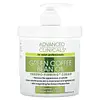 Key Ingredients
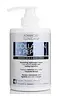
Benefits
Concerns
Ingredients Side-by-side
Water
Skin ConditioningParaffinum Liquidum
Emollient


Cetearyl Alcohol
Emollient

Glyceryl Stearate Se
Emulsifying
Isopropyl Myristate
Emollient
Glycerin
Humectant



Butylene Glycol
Humectant
Ceteareth-20
Cleansing
Caprylic/Capric Triglyceride
Masking
Hydrolyzed Collagen
Emollient
Coffea Arabica Seed Oil
Masking
Brassica Campestris Sterols
Emollient
Aloe Barbadensis Leaf Juice
Skin Conditioning

Camellia Sinensis Leaf Extract
Antimicrobial

Anthemis Nobilis Flower Extract
Masking
Pinus Strobus Bark Extract
Skin ConditioningAcrylates/C10-30 Alkyl Acrylate Crosspolymer
Emulsion StabilisingParfum
Masking

Sodium Hydroxide
BufferingTetrasodium Glutamate Diacetate
Maltodextrin
Absorbent
Phenoxyethanol
Preservative
Caprylyl Glycol
Emollient
Ethylhexylglycerin
Skin ConditioningHexylene Glycol
EmulsifyingCaramel
Cosmetic ColorantTocopherol
Antioxidant
Potassium Sorbate
Preservative
Sodium Benzoate
Masking
Citric Acid
Buffering


Benzyl Benzoate
Antimicrobial

Benzyl Cinnamate
Perfuming
Water, Paraffinum Liquidum, Cetearyl Alcohol, Glyceryl Stearate Se, Isopropyl Myristate, Glycerin, Butylene Glycol, Ceteareth-20, Caprylic/Capric Triglyceride, Hydrolyzed Collagen, Coffea Arabica Seed Oil, Brassica Campestris Sterols, Aloe Barbadensis Leaf Juice, Camellia Sinensis Leaf Extract, Anthemis Nobilis Flower Extract, Pinus Strobus Bark Extract, Acrylates/C10-30 Alkyl Acrylate Crosspolymer, Parfum, Sodium Hydroxide, Tetrasodium Glutamate Diacetate, Maltodextrin, Phenoxyethanol, Caprylyl Glycol, Ethylhexylglycerin, Hexylene Glycol, Caramel, Tocopherol, Potassium Sorbate, Sodium Benzoate, Citric Acid, Benzyl Benzoate, Benzyl Cinnamate
Water
Skin ConditioningGlycerin
Humectant
Cetyl Alcohol
Emollient
Caprylic/Capric Triglyceride
Masking
C13-15 Alkane
SolventButyrospermum Parkii Butter
Skin Conditioning
C18-21 Alkane
SolventSoluble Collagen
Humectant
Aloe Barbadensis Leaf Juice
Skin Conditioning
Palmitoyl Tetrapeptide-7
Skin Conditioning
Palmitoyl Oligopeptide
Cleansing
Glyceryl Stearate
Emollient
Cetearyl Phosphate
Skin Conditioning
Synthetic Beeswax
Emulsion Stabilising
Oryza Sativa Bran Extract
Skin Conditioning
Helianthus Annuus Extract
Emollient
Rosmarinus Officinalis Leaf Extract
AntimicrobialButylene Glycol
Humectant
Xanthan Gum
EmulsifyingTocopherol
Antioxidant
Polysorbate 20
Emulsifying
Carbomer
Emulsion StabilisingTetrasodium Glutamate Diacetate
Phenoxyethanol
Preservative
Caprylyl Glycol
Emollient
Ethylhexylglycerin
Skin ConditioningHexylene Glycol
EmulsifyingSodium Hydroxide
BufferingWater, Glycerin, Cetyl Alcohol, Caprylic/Capric Triglyceride, C13-15 Alkane, Butyrospermum Parkii Butter, C18-21 Alkane, Soluble Collagen, Aloe Barbadensis Leaf Juice, Palmitoyl Tetrapeptide-7, Palmitoyl Oligopeptide, Glyceryl Stearate, Cetearyl Phosphate, Synthetic Beeswax, Oryza Sativa Bran Extract, Helianthus Annuus Extract, Rosmarinus Officinalis Leaf Extract, Butylene Glycol, Xanthan Gum, Tocopherol, Polysorbate 20, Carbomer, Tetrasodium Glutamate Diacetate, Phenoxyethanol, Caprylyl Glycol, Ethylhexylglycerin, Hexylene Glycol, Sodium Hydroxide
Ingredients Explained
These ingredients are found in both products.
Ingredients higher up in an ingredient list are typically present in a larger amount.
Aloe Barbadensis Leaf Juice comes from leaves of the aloe plant. Aloe Barbadensis Leaf Juice is best known for helping to soothe sunburns. It is also anti-inflammatory, moisturizing, antiseptic, and can help heal wounds.
Aloe is packed with good stuff including Vitamins A, C, and E. These vitamins are antioxidants, which help fight free-radicals and the damage they may cause. Free-radicals are molecules that may damage your skin cells, such as pollution.
Aloe Barbadensis Leaf Juice also contains sugars. These sugars come in the form of monosaccharides and polysaccharides, folic acid, and choline. These sugars are able to help bind moisture to skin.
It also contains minerals such as calcium, 12 anthraquinones, fatty acids, amino acids, and Vitamin B12.
Learn more about Aloe Barbadensis Leaf JuiceButylene Glycol (or BG) is used within cosmetic products for a few different reasons:
Overall, Butylene Glycol is a safe and well-rounded ingredient that works well with other ingredients.
Though this ingredient works well with most skin types, some people with sensitive skin may experience a reaction such as allergic rashes, closed comedones, or itchiness.
Learn more about Butylene GlycolThis ingredient is an emollient, solvent, and texture enhancer. It is considered a skin-softener by helping the skin prevent moisture loss.
It helps thicken a product's formula and makes it easier to spread by dissolving clumping compounds.
Caprylic Triglyceride is made by combining glycerin with coconut oil, forming a clear liquid.
While there is an assumption Caprylic Triglyceride can clog pores due to it being derived from coconut oil, there is no research supporting this.
Learn more about Caprylic/Capric TriglycerideCaprylyl Glycol is a humectant and emollient, meaning it attracts and preserves moisture.
It is a common ingredient in many products, especially those designed to hydrate skin. The primary benefits are retaining moisture, skin softening, and promoting a healthy skin barrier.
Though Caprylyl Glycol is an alcohol derived from fatty acids, it is not the kind that can dry out skin.
This ingredient is also used as a preservative to extend the life of products. It has slight antimicrobial properties.
Learn more about Caprylyl GlycolEthylhexylglycerin (we can't pronounce this either) is commonly used as a preservative and skin softener. It is derived from glyceryl.
You might see Ethylhexylglycerin often paired with other preservatives such as phenoxyethanol. Ethylhexylglycerin has been found to increase the effectiveness of these other preservatives.
Glycerin is already naturally found in your skin. It helps moisturize and protect your skin.
A study from 2016 found glycerin to be more effective as a humectant than AHAs and hyaluronic acid.
As a humectant, it helps the skin stay hydrated by pulling moisture to your skin. The low molecular weight of glycerin allows it to pull moisture into the deeper layers of your skin.
Hydrated skin improves your skin barrier; Your skin barrier helps protect against irritants and bacteria.
Glycerin has also been found to have antimicrobial and antiviral properties. Due to these properties, glycerin is often used in wound and burn treatments.
In cosmetics, glycerin is usually derived from plants such as soybean or palm. However, it can also be sourced from animals, such as tallow or animal fat.
This ingredient is organic, colorless, odorless, and non-toxic.
Glycerin is the name for this ingredient in American English. British English uses Glycerol/Glycerine.
Learn more about GlycerinHexylene Glycol is a surfactant. Glycols are a class of alcohols. Hexylene Glycol is a surfactant and emulsifier.
As a surfactant, Hexylene Glycol helps gather dirt and oil on your skin to be washed away.
As an emulsifier, Hexylene Glycol helps keep water and oil together. This prevents them from separating in a product. Hexylene Glycol also thins out the texture of a product by lessening viscosity.
Hexylene Glycol has a small molecular weight.
Learn more about Hexylene GlycolPhenoxyethanol is a preservative that has germicide, antimicrobial, and aromatic properties. Studies show that phenoxyethanol can prevent microbial growth. By itself, it has a scent that is similar to that of a rose.
It's often used in formulations along with Caprylyl Glycol to preserve the shelf life of products.
Sodium Hydroxide is also known as lye or caustic soda. It is used to adjust the pH of products; many ingredients require a specific pH to be effective.
In small amounts, sodium hydroxide is considered safe to use. However, large amounts may cause chemical burns due to its high alkaline.
Your skin has a natural pH and acid mantle. This acid mantle helps prevent harmful bacteria from breaking through. The acid mantle also helps keep your skin hydrated.
"Alkaline" refers to a high pH level. A low pH level would be considered acidic.
Learn more about Sodium HydroxideTetrasodium Glutamate Diacetate is a chelating agent. Chelating agents help prevent metal ions from binding to other ingredients. This helps prevent unwanted effects and reactions from a product. These metal ions may come from water and are found in miniscule amounts.
Tetrasodium Glutamate Diacetate can also help other preservatives be more effective.
Tocopherol (also known as Vitamin E) is a common antioxidant used to help protect the skin from free-radicals and strengthen the skin barrier. It's also fat soluble - this means our skin is great at absorbing it.
Vitamin E also helps keep your natural skin lipids healthy. Your lipid skin barrier naturally consists of lipids, ceramides, and fatty acids. Vitamin E offers extra protection for your skin’s lipid barrier, keeping your skin healthy and nourished.
Another benefit is a bit of UV protection. Vitamin E helps reduce the damage caused by UVB rays. (It should not replace your sunscreen). Combining it with Vitamin C can decrease sunburned cells and hyperpigmentation after UV exposure.
You might have noticed Vitamin E + C often paired together. This is because it is great at stabilizing Vitamin C. Using the two together helps increase the effectiveness of both ingredients.
There are often claims that Vitamin E can reduce/prevent scarring, but these claims haven't been confirmed by scientific research.
Learn more about TocopherolWater. It's the most common cosmetic ingredient of all. You'll usually see it at the top of ingredient lists, meaning that it makes up the largest part of the product.
So why is it so popular? Water most often acts as a solvent - this means that it helps dissolve other ingredients into the formulation.
You'll also recognize water as that liquid we all need to stay alive. If you see this, drink a glass of water. Stay hydrated!
Learn more about Water
