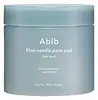
This pore-care exfoliating pad uses a pre-saturated pad with Gluconolactone and Capryloyl Salicylic Acid to refine the look of pores and refine skin texture.
This smoothing exfoliator is formulated around Gluconolactone and Capryloyl Salicylic Acid to refine skin texture and brighten dull-looking skin.

What's inside
What's inside
 Key Ingredients
Benefits
Concerns
Ingredients Side-by-side
Water
Skin ConditioningButylene Glycol
Humectant

Pinus Densiflora Leaf Extract
Antimicrobial
Glycerin
Humectant
Alcohol
Antimicrobial




1,2-Hexanediol
Skin Conditioning
Paeonia Suffruticosa Root Extract
Skin ProtectingCentella Asiatica Extract
Cleansing



Chamomilla Recutita Flower Extract
Masking
Glyceryl Caprylate
EmollientBetaine
Humectant
Polyglyceryl-10 Laurate
Skin Conditioning
Panthenol
Skin Conditioning
Ethylhexylglycerin
Skin ConditioningSodium Citrate
BufferingGluconolactone
Chelating




Capryloyl Salicylic Acid
Exfoliating

Tromethamine
BufferingCitric Acid
Buffering
Diethylhexyl Sodium Sulfosuccinate
CleansingSodium Hyaluronate
Humectant
Pantolactone
Humectant
Dipropylene Glycol
HumectantEpilobium Fleischeri Extract
Skin ConditioningPinus Palustris Leaf Extract
TonicOenothera Biennis Flower Extract
AstringentUlmus Davidiana Root Extract
Skin Conditioning
Pueraria Lobata Root Extract
HumectantPotassium Sorbate
Preservative
Disodium EDTA
ChelatingWater, Butylene Glycol, Pinus Densiflora Leaf Extract, Glycerin, Alcohol, 1,2-Hexanediol, Paeonia Suffruticosa Root Extract, Centella Asiatica Extract, Chamomilla Recutita Flower Extract, Glyceryl Caprylate, Betaine, Polyglyceryl-10 Laurate, Panthenol, Ethylhexylglycerin, Sodium Citrate, Gluconolactone, Capryloyl Salicylic Acid, Tromethamine, Citric Acid, Diethylhexyl Sodium Sulfosuccinate, Sodium Hyaluronate, Pantolactone, Dipropylene Glycol, Epilobium Fleischeri Extract, Pinus Palustris Leaf Extract, Oenothera Biennis Flower Extract, Ulmus Davidiana Root Extract, Pueraria Lobata Root Extract, Potassium Sorbate, Disodium EDTA
Water
Skin ConditioningButylene Glycol
Humectant
Gluconolactone
Chelating
Dipropylene Glycol
HumectantTromethamine
Buffering1,2-Hexanediol
Skin Conditioning
Polyglyceryl-10 Myristate
Skin Conditioning
Glycerin
Humectant
Ethylhexylglycerin
Skin ConditioningVitis Vinifera Seed Extract
Antimicrobial
Tocopheryl Acetate
Antioxidant
Polyquaternium-51
Skin Conditioning
Disodium EDTA
ChelatingHamamelis Virginiana Extract
Antiseborrhoeic
Citrus Aurantium Bergamia Fruit Oil
Masking


Lavandula Angustifolia Oil
Masking
Capryloyl Salicylic Acid
Exfoliating
Rosmarinus Officinalis Leaf Oil
Masking
Milk Protein Extract
Vitis Vinifera Fruit Extract
Skin ConditioningDiospyros Kaki Fruit Extract
Skin ConditioningCastanea Crenata Shell Extract
Skin ConditioningCamellia Sinensis Leaf Extract
Antimicrobial
Scutellaria Baicalensis Root Extract
Astringent
Tocopherol
Antioxidant
Glutathione
Cinnamomum Cassia Bark Extract
Masking
Water, Butylene Glycol, Gluconolactone, Dipropylene Glycol, Tromethamine, 1,2-Hexanediol, Polyglyceryl-10 Myristate, Glycerin, Ethylhexylglycerin, Vitis Vinifera Seed Extract, Tocopheryl Acetate, Polyquaternium-51, Disodium EDTA, Hamamelis Virginiana Extract, Citrus Aurantium Bergamia Fruit Oil, Lavandula Angustifolia Oil, Capryloyl Salicylic Acid, Rosmarinus Officinalis Leaf Oil, Milk Protein Extract, Vitis Vinifera Fruit Extract, Diospyros Kaki Fruit Extract, Castanea Crenata Shell Extract, Camellia Sinensis Leaf Extract, Scutellaria Baicalensis Root Extract, Tocopherol, Glutathione, Cinnamomum Cassia Bark Extract
Reviews
Ingredients Explained
These ingredients are found in both products.
Ingredients higher up in an ingredient list are typically present in a larger amount.
1,2-Hexanediol is a synthetic liquid and another multi-functional powerhouse.
It is a:
- Humectant, drawing moisture into the skin
- Emollient, helping to soften skin
- Solvent, dispersing and stabilizing formulas
- Preservative booster, enhancing the antimicrobial activity of other preservatives
Butylene Glycol (or BG) is used within cosmetic products for a few different reasons:
Overall, Butylene Glycol is a safe and well-rounded ingredient that works well with other ingredients.
Though this ingredient works well with most skin types, some people with sensitive skin may experience a reaction such as allergic rashes, closed comedones, or itchiness.
Learn more about Butylene GlycolCapryloyl Salicylic Acid comes from salicylic acid, the famous acne-fighting BHA.
It usually goes by a more common name of LHA, or lipohydroxy acid.
Like salicylic acid, this ingredient is a chemical exfoliant that can help break down the oil in your pores and reduce inflammation.
Though studies for LHA do show it to be less effective than salicylic acid. To be fair, salicylic acid is the reigning monarch of acne treatments.
However, a study from 2009 found LHA to be comparable to BPO, making it a good alternative for people with sensitive skin. Another study of 14 patients found a significant decrease in comedones after using LHA.
Another pro of LHA? It is less irritating than salicylic acid due to its large molecule size.
Large molecules cannot penetrate skin as well, so they are gentler on the skin. LHA is much less penetrative than salicylic acid.
An in-vitro study (not done on a living organism) found only 6% of LHA penetrated past the statum corneum compared to 58% of salicylic acid. An in-vivo (done on a living organism) analysis revealed ~17% of LHA was still present in the top layer of skin after 4 days, versus ~9% of salicylic acid.
Interestingly, a study from 2008 found LHA comparable to another famous acid, glycolic acid.
This study found about 10% of LHA is as effective as 20-50% of glycolic acid in treating hyperpigmentation and fine-lines.
Hydroxy acids have been found to stimulate skin protein, lipids, and thermal thickening. This may have anti-aging benefits.
Learn more about Capryloyl Salicylic AcidDipropylene Glycol is a synthetically created humectant, stabilizer, and solvent.
This ingredient helps:
Dipropylene glycol is technically an alcohol, but it belongs to the glycol family (often considered part of the ‘good’ alcohols). This means it is hydrating and gentle on skin unlike drying solvent alcohols like denatured alcohol.
As a masking agent, Dipropylene Glycol can be used to cover the smell of other ingredients. However, it does not have a scent.
Studies show Dipropylene Glycol is considered safe to use in skincare.
Learn more about Dipropylene GlycolDisodium EDTA is a chelating agent. It grabs onto and deactivates metal ions that sneak into your products from water, packaging, or air.
This ingredient mainly works behind the scenes and helps with:
On top of that, this ingredient can counteract the effects of hard water by binding to the minerals in it.
One thing worth knowing is that Disodium EDTA has been shown to be a mild penetration enhancer. It can help other ingredients absorb into skin more effectively which can be a double-edged sword (great for actives, but can also make the active too strong if you have sensitive skin).
Clinical patch testing showed no significant skin irritation at typical use concentrations and minimal dermal absorption.
You'll most likely see this ingredient near the end of an ingredient list. It's typically found in concentrations less than 1%.
Learn more about Disodium EDTAEthylhexylglycerin is created from glycerin. It is a multitasker ingredient that:
The CIR Expert Panel found minimal skin absorption or sensitization of any kind in a safety assessment. Though this ingredient is considered well-tolerated, a small number of cases of allergic dermatitis have been published since 2002. Just be sure to patch test if you are unsure.
Industry-reported use ranges from 8% in rinse-off products and 2% in leave-on formulations.
Learn more about EthylhexylglycerinGluconolactone is a PHA. PHAs are a great gentle alternative to traditional AHAs.
When applied, Gluconolactone has the same affect on skin as AHAs such as lactic acid. It helps dissolve the dead skin cells in the top layer of your skin. This improves texture and brightens the skin.
PHAs are more gentle than AHAs due to their larger structure. They do not penetrate as deeply as AHAs and take a longer time to dissolve dead cells. Studies show PHAs do not cause as much irritation.
Gluconolactone has some interesting properties:
In a 2004 study, Gluconolactone was found to prevent UV damage in mouse skin cells and has not been found to increase sun sensitivity. However, we still recommend wearing SPF daily.
This ingredient is is an created by reacting gluconic acid with an alcohol.
Learn more about GluconolactoneGlycerin (or glycerol) is a compound naturally found in your skin. It's a powerhouse humectant that pulls water into the stratum corneum.
Topically, glycerin does several things at once:
Your skin makes glycerin on its own (mostly from sebaceous oil breakdown) and shuttles it to your outermost layer of skin, or your epidermis, via aquaporin-3.
Aquaporin-3 is a transporter that is essential for normal skin hydration, elasticity, and repair. Interestingly, mice lacking in AQP3 have dry and less elastic skin that can be fully corrected with glycerin.
This ingredient is non-irritating, plays well with almost every ingredient, and works across all skin types. Typical use is anywhere between 3-10% but can go up to 79% in some leave-on products.
Just know very high concentrations (>40%) can feel tacky in low humidity.
Glycerin is the name for this ingredient in American English. British English uses Glycerol/Glycerine.
Learn more about GlycerinTromethamine (aka THAM) is a synthetic amino acid that shows up in skincare as a helper ingredient.
It functions as a pH adjuster to help neutralize acidic ingredients and set a formula's pH to the right spot.
This matters a lot because a lot of actives (like vitamin C) needs a specific pH to work well and feel comfortable on skin.
Concentration use ranges from 0.1-1.0% depending on the formula.
Learn more about TromethamineWater. It's the most common cosmetic ingredient of all. You'll usually see it at the top of ingredient lists, meaning that it makes up the largest part of the product.
So why is it so popular? Water most often acts as a solvent - this means that it helps dissolve other ingredients into the formulation.
You'll also recognize water as that liquid we all need to stay alive. If you see this, drink a glass of water. Remember to stay hydrated!
Learn more about Water

