Openface Soulmatte Moisturizer
A moisturizer with 36 ingredients, including PHA, vitamin E, and hyaluronic acid.
This oil-control moisturizer is formulated around Alpha-Glucan Oligosaccharide and Gluconolactone to balance excess oil and refine skin texture.
Worth noting
Contains Benzyl Alcohol, an EU-listed fragrance allergen.
We independently verify ingredients, backed by peer-reviewed research. Suggest an update.
What's inside
Ingredients List
Water
Skin ConditioningGlycerin
Humectant


Alpha-Glucan Oligosaccharide
Cleansing
Pentylene Glycol
Skin Conditioning
Butylene Glycol
Humectant
Isononyl Isononanoate
EmollientDimethicone
Emollient
Cetearyl Alcohol
Emollient






Coco-Caprylate/Caprate
Emollient
C12-15 Alkyl Benzoate
AntimicrobialPolymethylsilsesquioxane
Sodium Acrylate/Sodium Acryloyldimethyl Taurate Copolymer
Emulsion StabilisingCapryloyl Glycine
CleansingSorbitan Stearate
Emulsifying
Polyglyceryl-3 Stearate
Emulsifying
Sodium Hyaluronate Crosspolymer
Humectant
Potassium Cetyl Phosphate
EmulsifyingSodium Stearoyl Glutamate
CleansingGlucose
Humectant
Urea
Buffering

Glutamic Acid
Humectant
Allantoin
Skin Conditioning
Gluconolactone
Chelating





Calcium Gluconate
HumectantLactic Acid
Buffering


Glycine
Buffering
Lysine
Skin ConditioningSodium PCA
Humectant
Xanthan Gum
EmulsifyingTocopherol
Antioxidant

Sodium Hydroxide
BufferingDisodium EDTA
ChelatingEthylhexylglycerin
Skin ConditioningBenzyl Alcohol
Perfuming




Sodium Benzoate
Masking
Potassium Sorbate
Preservative
Water, Glycerin, Alpha-Glucan Oligosaccharide, Pentylene Glycol, Butylene Glycol, Isononyl Isononanoate, Dimethicone, Cetearyl Alcohol, Coco-Caprylate/Caprate, C12-15 Alkyl Benzoate, Polymethylsilsesquioxane, Sodium Acrylate/Sodium Acryloyldimethyl Taurate Copolymer, Capryloyl Glycine, Sorbitan Stearate, Polyglyceryl-3 Stearate, Sodium Hyaluronate Crosspolymer, Potassium Cetyl Phosphate, Sodium Stearoyl Glutamate, Glucose, Urea, Glutamic Acid, Allantoin, Gluconolactone, Calcium Gluconate, Lactic Acid, Glycine, Lysine, Sodium PCA, Xanthan Gum, Tocopherol, Sodium Hydroxide, Disodium EDTA, Ethylhexylglycerin, Benzyl Alcohol, Sodium Benzoate, Potassium Sorbate
Key Ingredients
Benefits
Concerns
Ingredients Explained
Water. It's the most common cosmetic ingredient of all. You'll usually see it at the top of ingredient lists, meaning that it makes up the largest part of the product.
So why is it so popular? Water most often acts as a solvent - this means that it helps dissolve other ingredients into the formulation.
You'll also recognize water as that liquid we all need to stay alive. If you see this, drink a glass of water. Remember to stay hydrated!
Learn more about WaterGlycerin (or glycerol) is a compound naturally found in your skin. It's a powerhouse humectant that pulls water into the stratum corneum.
Topically, glycerin does several things at once:
Your skin makes glycerin on its own (mostly from sebaceous oil breakdown) and shuttles it to your outermost layer of skin, or your epidermis, via aquaporin-3.
Aquaporin-3 is a transporter that is essential for normal skin hydration, elasticity, and repair. Interestingly, mice lacking in AQP3 have dry and less elastic skin that can be fully corrected with glycerin.
This ingredient is non-irritating, plays well with almost every ingredient, and works across all skin types. Typical use is anywhere between 3-10% but can go up to 79% in some leave-on products.
Just know very high concentrations (>40%) can feel tacky in low humidity.
Glycerin is the name for this ingredient in American English. British English uses Glycerol/Glycerine.
Learn more about GlycerinAlpha-Glucan Oligosaccharide is a prebiotic. It prevents harmful bacteria from growing on skin by keeping the skin's microbiome in balance.
Another benefit of this ingredient is its antioxidant properties. Antioxidants protect our skin from oxidative damage.
Pentylene Glycol (1,2-pentanediol) is a multitasking little diol with three main roles in a formula:
Research on alkanediols (the family pentylene glycol belongs to) show they work by disrupting microbial cell membranes. This disruption helps the primary preservative system in a product work more effectively at lower doses.
On the safety side, the Cosmetic Ingredient Review Expert Panel has concluded this ingredient to be safe as used in current cosmetic practices + concentrations.
Typical use levels in a formula run about 1-5%.
Learn more about Pentylene GlycolButylene Glycol (or BG) is used within cosmetic products for a few different reasons:
Overall, Butylene Glycol is a safe and well-rounded ingredient that works well with other ingredients.
Though this ingredient works well with most skin types, some people with sensitive skin may experience a reaction such as allergic rashes, closed comedones, or itchiness.
Learn more about Butylene GlycolIsononyl Isononanoate is a synthetic skin-conditioner and texture enhancer. It is created from nonanoic acid, a fatty acid found in cocoa and lavender oil.
As an emollient, Isononyl Isononanoate helps keep your skin soft and smooth. This is because emollients create a barrier on the skin to trap moisture in.
Isononyl Isononanoate helps give products a velvet feel and improves spreadability.
Learn more about Isononyl IsononanoateDimethicone is a type of synthetic silicone created from natural materials such as quartz. It is also known as polydimethylsiloxane.
What it does:
Dimethicone comes in different viscosities:
Depending on the viscosity, dimethicone has different properties.
Ingredients lists don't always show which type is used, so we recommend reaching out to the brand if you have questions about the viscosity.
This ingredient is unlikely to cause irritation because it does not get absorbed into skin. However, people with silicone allergies should be careful about using this ingredient.
Note: Dimethicone may contribute to pilling. This is because it is not oil or water soluble, so pilling may occur when layered with products. When mixed with heavy oils in a formula, the outcome is also quite greasy.
Learn more about DimethiconeCetearyl alcohol is a waxy mixture of two fatty alcohols: cetyl alcohol and stearyl alcohol. It is an emollient and emulsifier.
Despite having "alcohol" in its name, it has nothing to do with drying solvent alcohols; the FDA also allows "alcohol-free" products to contain fatty alcohols like this ingredient.
It plays several roles in a formula:
Typical use levels for this ingredient sit around 1-10% and the Cosmetic Ingredient Review Expert Panel has affirmed safety at concentrations up to 25% in leave-on products.
Multiple assessments have found it to be non-irritating and non-sensitizing to most people.
However, there have been some cases of allergic contact dermatitis in patients with chronically compromised skin barriers.
Cetearyl alcohol has a comedogenic rating of 2 and irritancy rating of 1. Both of these numbers come from the 1989 study that used rabbit ears; a "2" means mildly comedogenic and a "1" means low irritancy.
Here's the catch: rabbit skin is more sensitive than human skin and throws a lot of false positives. A 1996 reappraisal found that ingredients rated 1-2 in the rabbit ear tests are generally safe for humans.
Remember comedogenic ratings are unable to assess the entire formula of a product or how it will react on your skin. Just be sure to patch test if you are unsure about certain ingredients.
This ingredient is not fungal acne safe. Cetearyl alcohol is a fatty alcohol with chain lengths that fall within the range that Malassezia can metabolize.
A 2019 study has also observed Malassezia growth in the presence of this ingredient, confirming it to be not-fungal acne safe.
Learn more about Cetearyl AlcoholCoco-Caprylate/Caprate is a lightweight ester created from coconut oil fatty acids, caprylic acid, and capric acid.
It is an emollient that helps soften skin and reduce transepidermal water loss (TEWL). What sets it apart from heavier emollients is its ultralight, non-greasy feel.
Once applied, this ingredient dries down quickly and leaves a dry, silky finish behind. This also helps improve spreadability and texture.
This ingredient has an excellent safety-record and is non-irritating.
Typical concentrations for cosmetics range from 0.5-62%.
Research on Malassezia growth found no growth on fatty acid esters with chain lengths shorter than 12 carbons (it prefers C11-24).
Since Coco-Caprylate/Caprate is built on C8 and C10 fatty acids, it is out of the range that Malassezia metabolizes, and therefore safe for fungal acne.
Learn more about Coco-Caprylate/CaprateC12-15 Alkyl Benzoate is a lightweight emollient made by combinig benzoic acid with fatty alcohols that are 12-15 carbons long.
In cosmetics, it plays several roles:
The Cosmetic Review Expert Panel has concluded the alkyl benzoate group to be safe as used in cosmetics; it wasn't found to be a skin irritant and unlikely to be absorbed due to its low water solubility.
This report recorded almost 1000 reported uses with concentrations up to 59% in leave-on products but your cosmetics will typically use 0.5-15% depending on the product.
It's often called a "SPF booster": this is because it keeps UV filters properly dissolved and evenly distributed to support a sunscreen's performance. It doesn't actually raise SPF on its own.
Overall, this ingredient is well tolerated.
This ingredient is fungal acne safe because it is an ester of benzoic acid.
Think of this ingredient as two parts stuck together: an oily part and an acid part. Malassezia only gets a meal when it can snip off a fatty acid to eat. With C12-15 Alkyl Benzoate, the acid part is benzoic acid, which isn't a fatty acid and which the yeast can't use as food.
Benzoic acid is actually used as a preservative to stop yeast from growing.
The oily part is a blend of C12-15 fatty alcohols but fatty alcohols in this size range can support only a little Malassezia growth (mostly for one species of Malassezia as well).
In the ingredient, those alcohols stay locked inside the molecule. The yeast can only reach them by snipping the benzoate bond, and that type of bond is harder for it to cut than a normal fatty bond.
So not much gets released. And whatever does get snipped comes packaged with benzoic acid, which discourages yeast growth.
Learn more about C12-15 Alkyl BenzoatePolymethylsilsesquioxane is a silicone used as a film forming agent.
When applied to the skin, this ingredient creates an invisible film on the surface. This film still allows oxygen to pass through, but prevents moisture from escaping. This can help condition and hydrate the skin. It also leaves a silky feel when applied.
Polymethylsilsesquioxane has not been shown to clog pores. It has been deemed safe to use up to 55%, but most cosmetics use much less.
If you have concerns about using this ingredient, we recommend speaking with a professional.
Learn more about PolymethylsilsesquioxaneThis long ingredient is a copolymer of sodium acrylate and sodium acryloyldimethyl taurate monomers.
It is used to help stabilize other ingredients and create a thicker gel-like texture.
Emulsifiers prevent oils and waters from separating.
Learn more about Sodium Acrylate/Sodium Acryloyldimethyl Taurate CopolymerCapryloyl Glycine is created by adding an acyl group to glycine and caprylic acid chloride.
It is a cleanser due to its surfactant properties. Surfactants help dirt, oil, and other polluants be more easily rinsed away. According to manufacturers, Capryloyl Glycine also helps soften the skin and regulate sebum production.
Emerging studies show Capryloyl Glycine may inhibit hair growth. It may also cause allergies for some people. We recommend speaking with a professional if you have any questions about this ingredient.
Learn more about Capryloyl GlycineSorbitan Stearate is an emulsifier made by reacting sorbitol with stearic acid.
It's mostly used to keep oil and water mixed so your formulas stay smooth and stable.
The Cosmetic Ingredient Review has found 4% of this ingredient in repeat-insult patch tests on humans to be non-sensitizing. There is a caveat that some reactions have shown up in patients with damaged or diseased skin.
Because it is an ester of a C18 fatty acid, it falls into the C11-24 range that the Malassezia yeast can metabolize. This means this ingredient may not be fungal acne safe.
Learn more about Sorbitan StearateThis ingredient comes from glycerin and stearic acid. It has emulsifying properties.
Due to its stearic acid (which is a fatty acid) base, this ingredient may not be Malassezia folliculitis, or fungal acne, safe.
Sodium Hyaluronate Crosspolymer is a crosslinked version of sodium hyaluronate. This just means it's linked into a 3D mesh network that lets it be more stable and sit on skin as a cohesive, gel-like film rather than sinking into skin.
A 2016 human skin study found crosslinked HA increased epidermal water content by 7.6% over the control group and reduced transepidermal water loss by 27.8%.
A follow-up clinical trial found that a topical crosslinked HA serum applied after fillers, microneedling, or chemical peels was well-tolerated and enhanced skin quality at 14 / 28 days.
More recent research suggests that concentrations as low as 0.03% can act as a penetration enhancer for other skincare actives.
Learn more about Sodium Hyaluronate CrosspolymerPotassium Cetyl Phosphate is the potassium salt of a mixture. This mixture consists of the esters from phosphoricacid and cetyl alcohol.
Potassium Cetyl Phosphate is an emulsifier and cleansing agent. Emulsifiers help stabilize a product. It does this by preventing certain ingredients from separating.
As a cleansing agent, Potassium Cetyl Phosphate helps gather oils, dirts, and pollutants from your skin. This makes it easier to rinse them away with water.
Learn more about Potassium Cetyl PhosphateSodium Stearoyl Glutamate is an amino-acid based emulsifier. It is made by combining stearic acid with L-glutamic acid and neutralizing it to a sodium salt.
As an emulsifier, it works mainly as an oil-in-water one and helps keep the oil and water in your formulas blended. It also contributes to a smooth, non-greasy skin feel.
This ingredient is biodegradable and commonly available in natural/COSMOS-certified grades.
Learn more about Sodium Stearoyl GlutamateGlucose is a simple sugar (a monosaccharide). In skincare, it is mostly a humectant and skin conditioning agent.
Mechanistically, it has multiple hydroxyl groups that hydrogen-bond to water. This pulls moisture into the upper layers of skin to keep the surface soft and hydrated.
It's worth knowing sugars are already a natural component of the skin's NMF (natural moisturizing factor) so it's a molecule that your stratum corneum is well-acquainted with.
Just so you know, glucose is hydrophilic (water-loving) and the stratum corneum is a strong barrier to hydrophilic compounds. This just means penetration is slow and most of the action is happening on the surface.
Gram-to-gram, glucose is not as efficient as a humectant as glycerin. This is why you'll likely see glycose paired with stronger humectants for a bigger hydration payoff.
In skincare, glucose is typically derived from corn or other starch sources.
Learn more about GlucoseUrea is also called carbamide and is the diamide of carbonic acid. In cosmetics, urea is used to hydrate the skin. It also provides exfoliation in higher concentrations.
As a humectant, urea helps draw moisture from the air and from deep within the skin. This helps hydrate your skin. Studies show urea is an effective moisturizer for dry skin conditions. 40% urea is typical in medications for treating eczema and other skin conditions.
Urea has the strongest exfoliation effect in concentrations higher than 10%. It is a keratolytic agent, meaning it breaks down the keratin protein in the top layer of skin. This helps remove dead skin cells and flaking skin.
In medicine, urea has been shown to help increase the potency of other ingredients, such as fungal treatments.
Humans and animals use urea to metabolize nitrogen-containing compounds. Urea is highly soluble in water. Once dissolved, it is neither acidic nor alkaline.
Urea is actually one of the more well-studied and well-supported ingredients out there if you have eczema.
Clinical trials have shown that urea creams in the 5 - 10% range can:
Higher concentrations (20 -30%) can also help with thickened, scaly patches but is also more likely to sting on active flares.
Skip urea if you have rosacea. The AAD (American Academy of Dermatology) lists it alongside alcohol, menthol, and fragrance as a potential irritant for rosacea-prone skin. Urea's keratolytic and penetration-enhancing properties can trigger stinging, burning, and redness.
As always, your skin is unique, so definitely check in with your dermatologist.
Learn more about UreaGlutamic Acid is an amino acid that is found in all living organisms. Our bodies use this to help nerve cells in the brain communicate with other cells.
In cosmetics, glutamic acid is a famous humectant. It draws water from the air to your skin, keeping your skin hydrated (like hyaluronic acid).
An in-vitro study from 2024 found glutamic acid to play a role in inhibiting inflammation and thus a potential skin-soothing ingredient.
Other studies show it to be have potential wound healing, skin barrier repair, and hair growth properties.
Glutamic acid has poor solubility in water and other solvents.
Learn more about Glutamic AcidAllantoin is a soothing ingredient known for its protective and moisturizing properties; it's basically a quiet workhorse ingredient you can find in a huge range of cosmetics.
Though it can be derived from the comfrey plant, allantoin is produced synthetically for cosmetic products to ensure purity.
Research shows it can encourage your skin cells to turn over and renew by stimulating keratinocyte and fibroblast proliferation.
It also has mild keratolytic properties to help loosen and shed dead skin cells without being harsh.
Studies also suggest allantoin can help calm inflammation by dialing down some of the chemical signals your skin sends out when it is irritated.
This ingredient is typically used in the 0.1-0.5% range, and the FDA recognizes it as a skin protectant in OTC products up to 2%.
Overall, allantoin is a wonderful addition to most routines; it is stable across a wide pH range (~4-8), works well with other ingredients, and is considered non-sensitizing/non-irritating.
Fun fact: Allantoin is naturally occurring in comfrey root, beets, chamomile, and wheat sprouts. Our bodies even produce it as a byproduct of uric acid metabolism.
Learn more about AllantoinGluconolactone is a PHA. PHAs are a great gentle alternative to traditional AHAs.
When applied, Gluconolactone has the same affect on skin as AHAs such as lactic acid. It helps dissolve the dead skin cells in the top layer of your skin. This improves texture and brightens the skin.
PHAs are more gentle than AHAs due to their larger structure. They do not penetrate as deeply as AHAs and take a longer time to dissolve dead cells. Studies show PHAs do not cause as much irritation.
Gluconolactone has some interesting properties:
In a 2004 study, Gluconolactone was found to prevent UV damage in mouse skin cells and has not been found to increase sun sensitivity. However, we still recommend wearing SPF daily.
This ingredient is is an created by reacting gluconic acid with an alcohol.
Learn more about GluconolactoneThis ingredient is calcium salt of gluconic acid. It is a humectant, meaning it attracts water to your skin.
Lactic Acid is another well-loved alpha hydroxy acid (AHA). It is gentler than glycolic acid but still highly effective.
Its main role is to exfoliate the surface of the skin by loosening the “glue” that holds dead skin cells together. Shedding those old cells leads to smoother, softer, and more even-toned skin.
Because lactic acid molecules are larger than glycolic acid, they don’t penetrate as deeply. This means they’re less likely to sting or irritate, making it a great choice for beginners or those with sensitive skin.
Like glycolic acid, it can:
Lactic acid also acts as a humectant (like hyaluronic acid). It can draw water into the skin to improve hydration and also plays a role in the skin's natural moisturizing factor (NMF) in the form of sodium lactate.
Studies show it can boost ceramide production to strengthen the skin barrier and even help balance the skin’s microbiome.
To get results, choose products with a pH between 3-4.
Lower strengths (5-12%) focus on surface exfoliation; higher strengths (12% and up) can reach deeper in the dermis (deeper, supportive layer) to improve skin texture and firmness over time.
Though it was originally derived from milk, most modern lactic acid used in skincare is vegan. It is made through non-dairy fermentation to create a bio-identical and stable form suitable for all formulations.
When lactic acid shows up near the end of an ingredient list, it usually means the brand added just a tiny amount to adjust the product’s pH.
Legend has it that Cleopatra used to bathe in sour milk to help reduce wrinkles.
Lactic acid is truly a gentle multitasker: it exfoliates, hydrates, strengthens, and brightens. It's a great ingredient for giving your skin a smooth, glowing, and healthy look without the harshness of stronger acids.
Read more about some other popular AHA's here:
Learn more about Lactic AcidGlycine is the smallest amino acid and a key building block of collagen. It's part if your skin's Natural Moisturizing Factor (NMF), or the water-loving molecules in your outermost layer of skin (stratum corneum) that keeps everything hydrated and happy.
A study from 2022 found that an amino acid complex featuring taurine, arginine, and glycine significantly reduced skin irritation, improved redness, and accelerated the skin repair process.
Lysine is an essential amino acid (your body cannot make it on its own). It has skin conditioning properties and one of the key players in collagen synthesis.
When your body creates collagen, lysine is basically the glue that holds everything together. It helps collagen fibers lock into each other and stay strong, with vitamin C being its trusty sidekick. Without enough lysine, this glue gets flimsy and less firm, resulting in less bouncy skin.
In skincare, lysine is mostly there to help keep your skin moisturized. It carries water through your skin's layers so everything stays plump.
So will putting lysine on your face create bouncier skin?
It's hard to say; most of the exciting collagen research on lysine comes from oral supplements or lab studies on mice. Further research is needed to truly understand what role topical lysine plays in skincare and your skin.
However, there's no harm in adding lysine to your routine as a supportive and hydrating ingredient.
Learn more about LysineSodium PCA (the salt of PCA) is one of the most well-established humectants in skincare.
Why is it so special? Your skin already makes it naturally; it's a natural component of your skin's Natural Moisturizing Factor (NMF), or the mix of water-binding compounds inside your skin cells that keeps things soft and hydrated.
As a cosmetic ingredient, it grabs water and holds it in the upper layers of skin to smooth roughness and ease dehydration.
There's some clinical support for the NMF approach with a study showing that a cream built to mimic the skin's NMF significantly boosted hydration.
Safety-wise, this ingredient non-irritating, non-comedogenic, and non-phototoxic in testing, with minimal skin absorption.
It also works really well with other hydrators like glycerin or hyaluronic acid, and typical usage is somewhere between 0.2-4%.
Learn more about Sodium PCAXanthan gum is used as a stabilizer and thickener within cosmetic products. It helps give products a sticky, thick feeling - preventing them from being too runny.
On the technical side of things, xanthan gum is a polysaccharide - a combination consisting of multiple sugar molecules bonded together.
Xanthan gum is a pretty common and great ingredient. It is a natural, non-toxic, non-irritating ingredient that is also commonly used in food products.
Learn more about Xanthan GumTocopherol is a fat-soluble antioxidant known as Vitamin E.
You'll find this ingredient in the vast majority of skincare (for good reason). It works to neutralize free radicals, or unstable molecules generated by UV exposure, pollution, and other environmental stressors, before they can cause oxidative damage to your skin cells.
Topically applied tocopherol has been shown to protect against UV damage by ramping up the skin's own natural defense enzymes.
It also acts as a skin conditioning agent; some studies show that regular topical use can improve the skin's water-binding capacity over 2-4 weeks.
This ingredient is especially loved for being a team player. When combined with Vitamin C, the photoprotective effect of both ingredients roughly doubles and the combo also helps reduce UV-induced DNA damage.
This ingredient has some brightening potential but it's more of a prevention ingredient than spot-fader. Cell studies show it can slow down melanin production but it's worth noting that it's not the most powerful brightener out there.
In formulations, it also serves as a stabilizer that helps protect other oxidation-prone ingredients from degrading.
Concentrations usually range from 0.1-1% in most leave-on products.
Learn more about TocopherolSodium Hydroxide is also known as lye or caustic soda. It is used to adjust the pH of products; many ingredients require a specific pH to be effective.
In small amounts, sodium hydroxide is considered safe to use. However, large amounts may cause chemical burns due to its high alkaline.
Your skin has a natural pH and acid mantle. This acid mantle helps prevent harmful bacteria from breaking through. The acid mantle also helps keep your skin hydrated.
"Alkaline" refers to a high pH level. A low pH level would be considered acidic.
Learn more about Sodium HydroxideDisodium EDTA is a chelating agent. It grabs onto and deactivates metal ions that sneak into your products from water, packaging, or air.
This ingredient mainly works behind the scenes and helps with:
On top of that, this ingredient can counteract the effects of hard water by binding to the minerals in it.
One thing worth knowing is that Disodium EDTA has been shown to be a mild penetration enhancer. It can help other ingredients absorb into skin more effectively which can be a double-edged sword (great for actives, but can also make the active too strong if you have sensitive skin).
Clinical patch testing showed no significant skin irritation at typical use concentrations and minimal dermal absorption.
You'll most likely see this ingredient near the end of an ingredient list. It's typically found in concentrations less than 1%.
Learn more about Disodium EDTAEthylhexylglycerin is created from glycerin. It is a multitasker ingredient that:
The CIR Expert Panel found minimal skin absorption or sensitization of any kind in a safety assessment. Though this ingredient is considered well-tolerated, a small number of cases of allergic dermatitis have been published since 2002. Just be sure to patch test if you are unsure.
Industry-reported use ranges from 8% in rinse-off products and 2% in leave-on formulations.
Learn more about EthylhexylglycerinBenzyl Alcohol is an aromatic alcohol with several roles: it's a preservative, solvent, and mild fragrance component with a floral scent.
This ingredient has been deemed safe for use in cosmetic formulations at concentrations up to 5%, and up to 10% in hair dyes. You'll typically see 0.5-2% in most rinse-off or leave-on products.
As a preservative, it works by disrupting the membrane of microbial proteins. This helps keep bacteria and fungi from growing in your products.
The sensitization picture is actually quite assuring as well:of nearly 71,000 patients patch tested with benzyl alcohol, only 0.21% showed a positive reaction with most of them being weakly positive.
This led researchers to conclude that benzyl alcohol cannot be regarded as a significant contact allergen.
It is worth noting this ingredient is classified as one of the EU's regulated fragrance allergens and restricted to 1% in finished products.
Labels must also declare it in concentrations above 0.001% in leave-on products and 0.01% in rinse-off products.
At concentrations around 5%, localized redness and itching can appear as a direct irritant response and not as a true allergic reaction.
Learn more about Benzyl AlcoholSodium Benzoate is a preservative. It's used in both cosmetic and food products to inhibit the growth of mold and bacteria. It is typically produced synthetically.
Both the US FDA and EU Health Committee have approved the use of sodium benzoate. In the US, levels of 0.1% (of the total product) are allowed.
Sodium benzoate works as a preservative by inhibiting the growth of bacteria inside of cells. It prevents the cell from fermenting a type of sugar using an enzyme called phosphofructokinase.
It is the salt of benzoic acid. Foods containing sodium benzoate include soda, salad dressings, condiments, fruit juices, wines, and snack foods.
Studies for using ascorbic acid and sodium benzoate in cosmetics are lacking, especially in skincare routines with multiple steps.
We always recommend speaking with a professional, such as a dermatologist, if you have any concerns.
Learn more about Sodium BenzoatePotassium Sorbate is a preservative used to prevent yeast and mold in products. It is commonly found in both cosmetic and food products.
This ingredient comes from potassium salt derived from sorbic acid. Sorbic acid is a natural antibiotic and effective against fungus.
Both potassium sorbate and sorbic acid can be found in baked goods, cheeses, dried meats, dried fruit, ice cream, pickles, wine, yogurt, and more.
You'll often find this ingredient used with other preservatives.
Learn more about Potassium SorbateReviews
No written reviews yet. Be the first to review this product.
Recent searches
Search reviews by skin type, ingredient, or keyword.
Where it's from
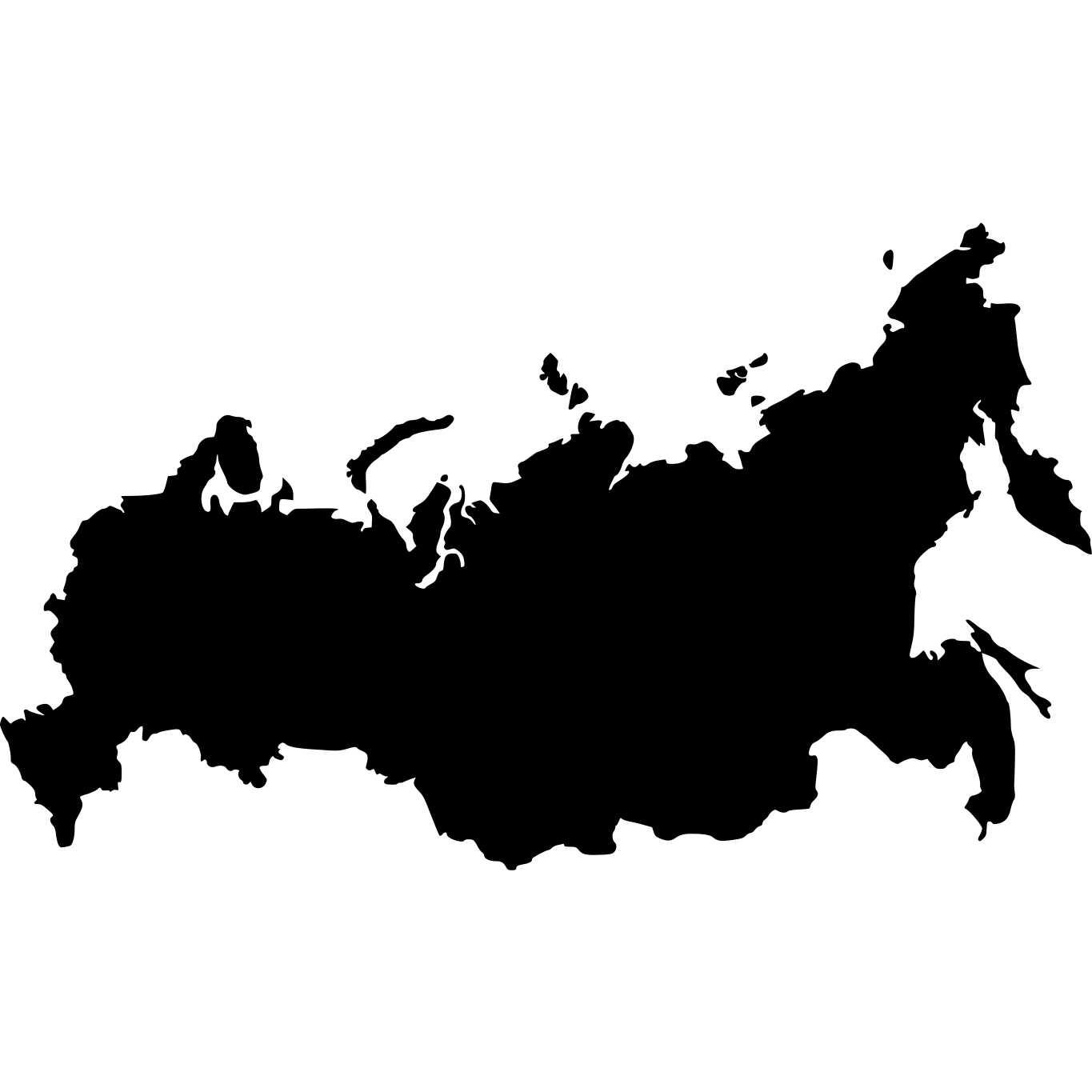
Openface is a Russian brand

We're dedicated to providing you with the most up-to-date and science-backed ingredient info out there.
The data we've presented on this page has been verified by a member of the SkinSort Team.
Read more about us· Updated June 10, 2026 • Added by wessa


