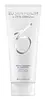
This mild cream makeup remover is made to dissolve makeup, sunscreen, and daily buildup.


What's inside
What's inside
 Key Ingredients
No key ingredients
Benefits
Concerns
Ingredients Side-by-side
Water
Skin ConditioningSodium Laureth Sulfate
Cleansing



Cocamidopropyl Betaine
Cleansing

Sodium Lauroyl Oat Amino Acids
CleansingSodium Chloride
MaskingArtemisia Vulgaris Extract
Skin Conditioning

Camellia Sinensis Leaf Extract
Antimicrobial





Crithmum Maritimum Extract
Skin ConditioningHordeum Distichon Extract
Skin ProtectingPhellodendron Amurense Bark Extract
Skin ConditioningPlantago Lanceolata Leaf Extract
AntimicrobialPterocarpus Soyauxii Wood Extract
AstringentSpiraea Ulmaria Extract
AstringentButylene Glycol
Humectant
Glycerin
Humectant
Tetrasodium EDTA
ChelatingPhenoxyethanol
Preservative
Ethylhexylglycerin
Skin ConditioningBenzoic Acid
Masking
Parfum
Masking

CI 42090
Cosmetic ColorantCI 17200
Cosmetic ColorantCitronellol
Perfuming
Hexyl Cinnamal
Perfuming
Limonene
Perfuming
Linalool
Perfuming
Water, Sodium Laureth Sulfate, Cocamidopropyl Betaine, Sodium Lauroyl Oat Amino Acids, Sodium Chloride, Artemisia Vulgaris Extract, Camellia Sinensis Leaf Extract, Crithmum Maritimum Extract, Hordeum Distichon Extract, Phellodendron Amurense Bark Extract, Plantago Lanceolata Leaf Extract, Pterocarpus Soyauxii Wood Extract, Spiraea Ulmaria Extract, Butylene Glycol, Glycerin, Tetrasodium EDTA, Phenoxyethanol, Ethylhexylglycerin, Benzoic Acid, Parfum, CI 42090, CI 17200, Citronellol, Hexyl Cinnamal, Limonene, Linalool
Water
Skin ConditioningCetearyl Isononanoate
Emollient
Octyldodecanol
Emollient
Butylene Glycol
Humectant
C14-22 Alcohols
Emulsion Stabilising
Propanediol
Solvent
Caprylhydroxamic Acid
ChelatingArgania Spinosa Kernel Oil
Emollient


Allantoin
Skin Conditioning
Aloe Barbadensis Leaf Juice
Skin Conditioning
Panthenol
Skin Conditioning
Escin
TonicRuscus Aculeatus Root Extract
Astringent
Ammonium Glycyrrhizate
MaskingCentella Asiatica Leaf Extract
Skin Conditioning
Hydrolyzed Yeast Protein
Skin ConditioningCalendula Officinalis Flower Extract
Masking
Potassium Sorbate
Preservative
Sodium Benzoate
Masking
1,2-Hexanediol
Skin Conditioning
Cetyl Alcohol
Emollient
Glyceryl Stearate Se
Emulsifying
PEG-100 Stearate
Surfactant
C12-20 Alkyl Glucoside
EmulsifyingAcrylamide/Ammonium Acrylate Copolymer
Xanthan Gum
EmulsifyingStearyl Alcohol
Emollient
Disodium EDTA
ChelatingPolyisobutene
Polysorbate 20
Emulsifying
Triethanolamine
BufferingSorbitan Isostearate
Emulsifying
Glycerin
Humectant
Sodium Citrate
BufferingCitric Acid
Buffering
Water, Cetearyl Isononanoate, Octyldodecanol, Butylene Glycol, C14-22 Alcohols, Propanediol, Caprylhydroxamic Acid, Argania Spinosa Kernel Oil, Allantoin, Aloe Barbadensis Leaf Juice, Panthenol, Escin, Ruscus Aculeatus Root Extract, Ammonium Glycyrrhizate, Centella Asiatica Leaf Extract, Hydrolyzed Yeast Protein, Calendula Officinalis Flower Extract, Potassium Sorbate, Sodium Benzoate, 1,2-Hexanediol, Cetyl Alcohol, Glyceryl Stearate Se, PEG-100 Stearate, C12-20 Alkyl Glucoside, Acrylamide/Ammonium Acrylate Copolymer, Xanthan Gum, Stearyl Alcohol, Disodium EDTA, Polyisobutene, Polysorbate 20, Triethanolamine, Sorbitan Isostearate, Glycerin, Sodium Citrate, Citric Acid
Reviews
Ingredients Explained
These ingredients are found in both products.
Ingredients higher up in an ingredient list are typically present in a larger amount.
Butylene Glycol (or BG) is used within cosmetic products for a few different reasons:
Overall, Butylene Glycol is a safe and well-rounded ingredient that works well with other ingredients.
Though this ingredient works well with most skin types, some people with sensitive skin may experience a reaction such as allergic rashes, closed comedones, or itchiness.
Learn more about Butylene GlycolGlycerin (or glycerol) is a compound naturally found in your skin. It's a powerhouse humectant that pulls water into the stratum corneum.
Topically, glycerin does several things at once:
Your skin makes glycerin on its own (mostly from sebaceous oil breakdown) and shuttles it to your outermost layer of skin, or your epidermis, via aquaporin-3.
Aquaporin-3 is a transporter that is essential for normal skin hydration, elasticity, and repair. Interestingly, mice lacking in AQP3 have dry and less elastic skin that can be fully corrected with glycerin.
This ingredient is non-irritating, plays well with almost every ingredient, and works across all skin types. Typical use is anywhere between 3-10% but can go up to 79% in some leave-on products.
Just know very high concentrations (>40%) can feel tacky in low humidity.
Glycerin is the name for this ingredient in American English. British English uses Glycerol/Glycerine.
Learn more about GlycerinWater. It's the most common cosmetic ingredient of all. You'll usually see it at the top of ingredient lists, meaning that it makes up the largest part of the product.
So why is it so popular? Water most often acts as a solvent - this means that it helps dissolve other ingredients into the formulation.
You'll also recognize water as that liquid we all need to stay alive. If you see this, drink a glass of water. Remember to stay hydrated!
Learn more about Water

