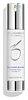
This barrier-repair moisturizer is formulated around Laminaria Digitata Extract and Beta-Glucan to strengthen the skin barrier and hydrate skin.
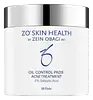
This oil-control toner pad uses a pre-saturated pad with Salicylic Acid and Mandelic Acid to balance excess oil and clear breakouts.

What's inside
What's inside
 Key Ingredients
Benefits
Concerns
Ingredients Side-by-side
Water
Skin ConditioningDicaprylyl Carbonate
EmollientCetearyl Isononanoate
Emollient
Glycerin
Humectant


Pentylene Glycol
Skin Conditioning
Cetearyl Alcohol
Emollient





Steareth-20
CleansingSafflower Oil/Palm Oil Aminopropanediol Esters
Skin Conditioning
Laminaria Digitata Extract
Skin Protecting
Opuntia Ficus-Indica Stem Extract
Skin Conditioning
Arabidopsis Thaliana Extract
Antioxidant
Marrubium Vulgare Meristem Cell Culture
Skin ProtectingLeontopodium Alpinum Meristem Cell Culture
Skin ConditioningRetinyl Palmitate
Skin Conditioning


Tocopheryl Acetate
Antioxidant
Tocopherol
Antioxidant

Micrococcus Lysate
Skin ConditioningCaprylyl Glycol
Emollient
Hexylene Glycol
EmulsifyingLactose
HumectantGalactoarabinan
Lecithin
Emollient
Schizophyllan
HumectantBeta-Glucan
Skin Conditioning
1,2-Hexanediol
Skin Conditioning
Carbomer
Emulsion StabilisingCellulose
Absorbent
Maltodextrin
Absorbent
C14-22 Alcohols
Emulsion Stabilising
Cetearyl Glucoside
Emulsifying
C12-20 Alkyl Glucoside
EmulsifyingHydroxypropyl Methylcellulose
Emulsion StabilisingDisodium EDTA
ChelatingSodium Hydroxide
BufferingPhenoxyethanol
Preservative
Ethylhexylglycerin
Skin ConditioningSodium Benzoate
Masking
Parfum
Masking


CI 77007
Cosmetic ColorantLimonene
Perfuming
Water, Dicaprylyl Carbonate, Cetearyl Isononanoate, Glycerin, Pentylene Glycol, Cetearyl Alcohol, Steareth-20, Safflower Oil/Palm Oil Aminopropanediol Esters, Laminaria Digitata Extract, Opuntia Ficus-Indica Stem Extract, Arabidopsis Thaliana Extract, Marrubium Vulgare Meristem Cell Culture, Leontopodium Alpinum Meristem Cell Culture, Retinyl Palmitate, Tocopheryl Acetate, Tocopherol, Micrococcus Lysate, Caprylyl Glycol, Hexylene Glycol, Lactose, Galactoarabinan, Lecithin, Schizophyllan, Beta-Glucan, 1,2-Hexanediol, Carbomer, Cellulose, Maltodextrin, C14-22 Alcohols, Cetearyl Glucoside, C12-20 Alkyl Glucoside, Hydroxypropyl Methylcellulose, Disodium EDTA, Sodium Hydroxide, Phenoxyethanol, Ethylhexylglycerin, Sodium Benzoate, Parfum, CI 77007, Limonene
Water
Skin ConditioningAlcohol
Antimicrobial

Butylene Glycol
Humectant
Salicylic Acid
Masking



Mandelic Acid
Antimicrobial
Urea
Buffering
Hamamelis Virginiana Extract
Antiseborrhoeic
Rosa Canina Fruit Extract
Astringent
Pterocarpus Soyauxii Wood Extract
AstringentPhellodendron Amurense Bark Extract
Skin ConditioningHordeum Distichon Extract
Skin ProtectingCamellia Sinensis Leaf Extract
Antimicrobial
Artemisia Vulgaris Extract
Skin Conditioning
Plantago Lanceolata Leaf Extract
AntimicrobialCrithmum Maritimum Extract
Skin ConditioningSpiraea Ulmaria Extract
AstringentMenthyl Lactate
Masking
Sodium Hydroxide
BufferingGlycolic Acid
Buffering
Sodium Carbonate
BufferingSodium Chloride
MaskingDisodium EDTA
ChelatingT-Butyl Alcohol
Perfuming
Denatonium Benzoate
Masking
Phenoxyethanol
Preservative
Parfum
Masking
Citronellol
Perfuming
Hexyl Cinnamal
Perfuming
Limonene
Perfuming
Linalool
Perfuming
Water, Alcohol, Butylene Glycol, Salicylic Acid, Mandelic Acid, Urea, Hamamelis Virginiana Extract, Rosa Canina Fruit Extract, Pterocarpus Soyauxii Wood Extract, Phellodendron Amurense Bark Extract, Hordeum Distichon Extract, Camellia Sinensis Leaf Extract, Artemisia Vulgaris Extract, Plantago Lanceolata Leaf Extract, Crithmum Maritimum Extract, Spiraea Ulmaria Extract, Menthyl Lactate, Sodium Hydroxide, Glycolic Acid, Sodium Carbonate, Sodium Chloride, Disodium EDTA, T-Butyl Alcohol, Denatonium Benzoate, Phenoxyethanol, Parfum, Citronellol, Hexyl Cinnamal, Limonene, Linalool
Reviews
Ingredients Explained
These ingredients are found in both products.
Ingredients higher up in an ingredient list are typically present in a larger amount.
Disodium EDTA is a chelating agent. It grabs onto and deactivates metal ions that sneak into your products from water, packaging, or air.
This ingredient mainly works behind the scenes and helps with:
On top of that, this ingredient can counteract the effects of hard water by binding to the minerals in it.
One thing worth knowing is that Disodium EDTA has been shown to be a mild penetration enhancer. It can help other ingredients absorb into skin more effectively which can be a double-edged sword (great for actives, but can also make the active too strong if you have sensitive skin).
Clinical patch testing showed no significant skin irritation at typical use concentrations and minimal dermal absorption.
You'll most likely see this ingredient near the end of an ingredient list. It's typically found in concentrations less than 1%.
Learn more about Disodium EDTALimonene is the compound that gives citrus peel its smell.
In skincare, it shows up as a standalone fragrance ingredient or as a natural compound of citrus and other essential oils.
You'll typically see this ingredient used in very small amounts; anything above 0.001% in a leave-on product or 0.01% in a rinse-off has to be named on the label in the EU. The citrus oils that carry it sit around 0.5-1% in a finished formula.
Fresh limonene is a weak allergen; the real issue is that it slowly reacts with air and then breaks down from oxidation to create hydroperoxides (which are strong sensitizers). This is why suppliers are required to keep the peroxide value below 20 mmol.
Positive reactions in people being investigated for eczema vary:
It's worth skipping if you have a known fragrance allergy or a compromised barrier, but the risk is low for most people.
Older or long-opened products are also more likely to bother you than fresh ones due to oxidation.
Learn more about LimoneneParfum is a catch-all term for an ingredient or more that is used to give a scent to products.
Also called "fragrance", this ingredient can be a blend of hundreds of chemicals or plant oils. This means every product with "fragrance" or "parfum" in the ingredients list is a different mixture.
For instance, Habanolide is a proprietary trade name for a specific aroma chemical. When used as a fragrance ingredient in cosmetics, most aroma chemicals fall under the broad labeling category of “FRAGRANCE” or “PARFUM” according to EU and US regulations.
The term 'parfum' or 'fragrance' is not regulated in many countries. In many cases, it is up to the brand to define this term.
For instance, many brands choose to label themselves as "fragrance-free" because they are not using synthetic fragrances. However, their products may still contain ingredients such as essential oils that are considered a fragrance by INCI standards.
One example is Calendula flower extract. Calendula is an essential oil that still imparts a scent or 'fragrance'.
Depending on the blend, the ingredients in the mixture can cause allergies and sensitivities on the skin. Some ingredients that are known EU allergens include linalool and citronellol.
Parfum can also be used to mask or cover an unpleasant scent.
The bottom line is: not all fragrances/parfum/ingredients are created equally. If you are worried about fragrances, we recommend taking a closer look at an ingredient. And of course, we always recommend speaking with a professional.
Learn more about ParfumPhenoxyethanol is one of the most widely used preservatives in skincare (and for good reason!).
It has a large spectrum of antimicrobial activity and especially effective bacteria, yeast, and mold while only having a weak effect on your skin's natural microbiome.
On a cellular level, it disrupts the cell membranes of microbes by poking holes that make the cell leak. This shuts down the chemical reactions the microbe needs to make energy so it can no longer survive.
Another perk of this ingredient is that it stays functional across a wide pH range (3-10).
You'll often see it paired with boosters like Ethylhexylglycerin; one study showed that a 1:9 ratio of Ethylhexylglycerin to Phenoxyethanol damages bacterial membranes as effectively as doubling the Phenoxyethanol concentration on its own.
Typical use concentrations range from 0.3-1% depending on the formula, and this ingredient is capped at 1% int the EU.
Safety-wise, the fear mongering does not hold up to the evidence. The EU's Scientific Committee on Consumer Safety and FDA consider it safe as a preservative at up to 1%, including for children of all ages.
Adverse systemic effects only showed up in animal studies at exposures roughly 200x higher than what people get from cosmetics. And despite its very widespread use, this ingredient is a rare sensitizer and allergic reactions are uncommon.
Learn more about PhenoxyethanolSodium Hydroxide is also known as lye or caustic soda. It is used to adjust the pH of products; many ingredients require a specific pH to be effective.
In small amounts, sodium hydroxide is considered safe to use. However, large amounts may cause chemical burns due to its high alkaline.
Your skin has a natural pH and acid mantle. This acid mantle helps prevent harmful bacteria from breaking through. The acid mantle also helps keep your skin hydrated.
"Alkaline" refers to a high pH level. A low pH level would be considered acidic.
Learn more about Sodium HydroxideWater. It's the most common cosmetic ingredient of all. You'll usually see it at the top of ingredient lists, meaning that it makes up the largest part of the product.
So why is it so popular? Water most often acts as a solvent - this means that it helps dissolve other ingredients into the formulation.
You'll also recognize water as that liquid we all need to stay alive. If you see this, drink a glass of water. Remember to stay hydrated!
Learn more about Water

