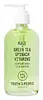
This mild gel cleanser is made to cleanse while calming and soothing your skin.
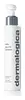
This glycolic acid gel cleanser is formulated around Glycolic Acid to exfoliate and smooth skin.

What's inside
What's inside
 Key Ingredients
Benefits
Concerns
Ingredients Side-by-side
Water
Skin ConditioningCocamidopropyl Hydroxysultaine
Cleansing
Sodium Cocoyl Glutamate
Cleansing
Sorbeth-230 Tetraoleate
Emulsifying

Polysorbate 20
Emulsifying
Sodium Chloride
MaskingAloe Barbadensis Leaf Juice Powder
Skin Conditioning


Brassica Oleracea Acephala Leaf Extract
HumectantSpinacia Oleracea Leaf Extract
Skin ConditioningCamellia Sinensis Leaf Extract
Antimicrobial




Medicago Sativa Extract
TonicChamomilla Recutita Flower Extract
Masking
Tetrahexyldecyl Ascorbate
Antioxidant


Glycerin
Humectant
Panthenol
Skin Conditioning
Tocopheryl Acetate
Antioxidant
Decyl Glucoside
Cleansing
Sorbitan Laurate
Emulsifying
Tetrasodium Glutamate Diacetate
Gluconolactone
Skin Conditioning

Ethylhexylglycerin
Skin ConditioningMaltodextrin
Absorbent
Citric Acid
Buffering
Phenoxyethanol
Preservative
Potassium Sorbate
Preservative
Sodium Benzoate
Masking
Gardenia Jasminoides Fruit Extract
Cosmetic ColorantParfum
Masking



Sodium Hydroxide
BufferingSodium Glycolate
BufferingSodium Formate
Buffering
Hexyl Cinnamal
Perfuming
Linalool
Perfuming
Limonene
Perfuming
CI 75810
Cosmetic ColorantWater, Cocamidopropyl Hydroxysultaine, Sodium Cocoyl Glutamate, Sorbeth-230 Tetraoleate, Polysorbate 20, Sodium Chloride, Aloe Barbadensis Leaf Juice Powder, Brassica Oleracea Acephala Leaf Extract, Spinacia Oleracea Leaf Extract, Camellia Sinensis Leaf Extract, Medicago Sativa Extract, Chamomilla Recutita Flower Extract, Tetrahexyldecyl Ascorbate, Glycerin, Panthenol, Tocopheryl Acetate, Decyl Glucoside, Sorbitan Laurate, Tetrasodium Glutamate Diacetate, Gluconolactone, Ethylhexylglycerin, Maltodextrin, Citric Acid, Phenoxyethanol, Potassium Sorbate, Sodium Benzoate, Gardenia Jasminoides Fruit Extract, Parfum, Sodium Hydroxide, Sodium Glycolate, Sodium Formate, Hexyl Cinnamal, Linalool, Limonene, CI 75810
Water
Skin ConditioningCocamidopropyl Hydroxysultaine
Cleansing
Glycolic Acid
Buffering

Glycerin
Humectant
PEG-6 Cocamide
Emulsifying
Polyacrylate Crosspolymer-6
Emulsion StabilisingDisodium Cocoyl Glutamate
Cleansing
Hydroxyacetophenone
Antioxidant
Succinoglycan
Skin ConditioningSimmondsia Chinensis Seed Oil
Emollient
Calendula Officinalis Flower Extract
Masking
Citrus Aurantium Dulcis Peel Oil
Masking
Citrus Paradisi Peel Oil
Masking

Leuconostoc/Radish Root Ferment Filtrate
Antimicrobial
Urea
Buffering
Allantoin
Skin Conditioning
Polyquaternium-51
Skin Conditioning
Trehalose
Humectant
Caprylyl Glycol
Emollient
Sodium Hyaluronate
Humectant
Tocopherol
Antioxidant
Hydrogenated Palm Glycerides Citrate
Emollient
Glyceryl Oleate
Emollient
Coconut Acid
Cleansing
1,2-Hexanediol
Skin Conditioning
T-Butyl Alcohol
Perfuming
Coco-Glucoside
Cleansing
Sodium PCA
Humectant
Sodium Chloride
MaskingSodium Hydroxide
BufferingCitric Acid
Buffering
Potassium Sorbate
Preservative
Sodium Benzoate
Masking
Limonene
Perfuming
Water, Cocamidopropyl Hydroxysultaine, Glycolic Acid, Glycerin, PEG-6 Cocamide, Polyacrylate Crosspolymer-6, Disodium Cocoyl Glutamate, Hydroxyacetophenone, Succinoglycan, Simmondsia Chinensis Seed Oil, Calendula Officinalis Flower Extract, Citrus Aurantium Dulcis Peel Oil, Citrus Paradisi Peel Oil, Leuconostoc/Radish Root Ferment Filtrate, Urea, Allantoin, Polyquaternium-51, Trehalose, Caprylyl Glycol, Sodium Hyaluronate, Tocopherol, Hydrogenated Palm Glycerides Citrate, Glyceryl Oleate, Coconut Acid, 1,2-Hexanediol, T-Butyl Alcohol, Coco-Glucoside, Sodium PCA, Sodium Chloride, Sodium Hydroxide, Citric Acid, Potassium Sorbate, Sodium Benzoate, Limonene
Reviews
Ingredients Explained
These ingredients are found in both products.
Ingredients higher up in an ingredient list are typically present in a larger amount.
Citric Acid is an alpha hydroxy acid (AHA) naturally found in citrus fruits like oranges, lemons, and limes.
Like other AHAs, citric acid can exfoliate skin by breaking down the bonds that hold dead skin cells together. This helps reveal smoother and brighter skin underneath.
However, this exfoliating effect only happens at high concentrations (20%) which can be hard to find in cosmetic products.
Due to this, citric acid is usually included in small amounts as a pH adjuster. This helps keep products slightly more acidic and compatible with skin's natural pH.
In skincare formulas, citric acid can:
While it can provide some skin benefits, research shows lactic acid and glycolic acid are generally more effective and less irritating exfoliants.
Most citric acid used in skincare today is made by fermenting sugars (usually from molasses). This synthetic version is identical to the natural citrus form but easier to stabilize and use in formulations.
Read more about some other popular AHA's here:
Learn more about Citric AcidCocamidopropyl Hydroxysultaine is a synthetic cleansing agent, though it is derived from coconut oil.
It is used to enhance the texture of products by boosting lather and thickening the texture. As a cleanser, Cocamidopropyl Hydroxysultaine is mild.
Glycerin (or glycerol) is a compound naturally found in your skin. It's a powerhouse humectant that pulls water into the stratum corneum.
Topically, glycerin does several things at once:
Your skin makes glycerin on its own (mostly from sebaceous oil breakdown) and shuttles it to your outermost layer of skin, or your epidermis, via aquaporin-3.
Aquaporin-3 is a transporter that is essential for normal skin hydration, elasticity, and repair. Interestingly, mice lacking in AQP3 have dry and less elastic skin that can be fully corrected with glycerin.
This ingredient is non-irritating, plays well with almost every ingredient, and works across all skin types. Typical use is anywhere between 3-10% but can go up to 79% in some leave-on products.
Just know very high concentrations (>40%) can feel tacky in low humidity.
Glycerin is the name for this ingredient in American English. British English uses Glycerol/Glycerine.
Learn more about GlycerinLimonene is a fragrance that adds scent and taste to a formulation.
It's found in the peel oil of citrus fruits and other plants such as lavender and eucalyptus. The scent of limonene is generally described as "sweet citrus".
Limonene acts as an antioxidant, meaning it helps neutralize free radicals.
When exposed to air, oxidized limonene may sensitize the skin. Because of this, limonene is often avoided by people with sensitive skin.
The term 'fragrance' is not regulated in many countries. In many cases, it is up to the brand to define this term. For instance, many brands choose to label themselves as "fragrance-free" because they are not using synthetic fragrances. However, their products may still contain ingredients such as essential oils that are considered a fragrance.
Learn more about LimonenePotassium Sorbate is a preservative used to prevent yeast and mold in products. It is commonly found in both cosmetic and food products.
This ingredient comes from potassium salt derived from sorbic acid. Sorbic acid is a natural antibiotic and effective against fungus.
Both potassium sorbate and sorbic acid can be found in baked goods, cheeses, dried meats, dried fruit, ice cream, pickles, wine, yogurt, and more.
You'll often find this ingredient used with other preservatives.
Learn more about Potassium SorbateSodium Benzoate is a preservative. It's used in both cosmetic and food products to inhibit the growth of mold and bacteria. It is typically produced synthetically.
Both the US FDA and EU Health Committee have approved the use of sodium benzoate. In the US, levels of 0.1% (of the total product) are allowed.
Sodium benzoate works as a preservative by inhibiting the growth of bacteria inside of cells. It prevents the cell from fermenting a type of sugar using an enzyme called phosphofructokinase.
It is the salt of benzoic acid. Foods containing sodium benzoate include soda, salad dressings, condiments, fruit juices, wines, and snack foods.
Studies for using ascorbic acid and sodium benzoate in cosmetics are lacking, especially in skincare routines with multiple steps.
We always recommend speaking with a professional, such as a dermatologist, if you have any concerns.
Learn more about Sodium BenzoateChances are, you eat sodium chloride every day. Sodium Chloride is also known as table salt. This ingredient has many purposes in skincare: thickener, emulsifier, and exfoliator.
You'll most likely find this ingredient in cleansers where it is used to create a gel-like texture. As an emulsifier, it also prevents ingredients from separating.
You might see people debate whether Sodium Chloride is comedogenic, but there actually haven't been any comedogenic tests done on it. Either way, the overall formulation of a product matters a lot more than any single ingredient.
You might see this ingredient used in scrubs as a primary exfoliating ingredient.
Learn more about Sodium ChlorideSodium Hydroxide is also known as lye or caustic soda. It is used to adjust the pH of products; many ingredients require a specific pH to be effective.
In small amounts, sodium hydroxide is considered safe to use. However, large amounts may cause chemical burns due to its high alkaline.
Your skin has a natural pH and acid mantle. This acid mantle helps prevent harmful bacteria from breaking through. The acid mantle also helps keep your skin hydrated.
"Alkaline" refers to a high pH level. A low pH level would be considered acidic.
Learn more about Sodium HydroxideWater. It's the most common cosmetic ingredient of all. You'll usually see it at the top of ingredient lists, meaning that it makes up the largest part of the product.
So why is it so popular? Water most often acts as a solvent - this means that it helps dissolve other ingredients into the formulation.
You'll also recognize water as that liquid we all need to stay alive. If you see this, drink a glass of water. Remember to stay hydrated!
Learn more about Water

