Y.O.U Noutriwear+ Flawless Cushion Foundation Versus Detail Cosmetics Fresh Filter Natural Finish Foundation


What's inside
What's inside
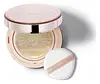 Key Ingredients
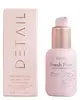
Benefits
Concerns
Ingredients Side-by-side
Water
Skin ConditioningIsododecane
EmollientCyclopentasiloxane
Emollient
Glycerin
Humectant


Butylene Glycol
Humectant
Isononyl Isononanoate
EmollientTitanium Dioxide
Cosmetic Colorant

Phenyl Trimethicone
Skin Conditioning
Dimethicone
Emollient
PEG-9 Polydimethylsiloxyethyl Dimethicone
Emulsifying
Vinyl Dimethicone/Methicone Silsesquioxane Crosspolymer

Methyl Methacrylate Crosspolymer
Acrylates/Polytrimethylsiloxymethacrylate Copolymer
Skin ConditioningCaprylyl Methicone
Skin Conditioning
Tridecyl Trimellitate
EmollientBis-PEG/PPG-14/14 Dimethicone
Emollient
1,2-Hexanediol
Skin Conditioning
Magnesium Sulfate
Bisabolol
Antioxidant


Acrylates/Ethylhexyl Acrylate/Dimethicone Methacrylate Copolymer
Skin Conditioning
Phenoxyethanol
Preservative
Hydrated Silica
Abrasive
Triethoxycaprylylsilane
Disteardimonium Hectorite
StabilisingAluminum Hydroxide
EmollientHydrogen Dimethicone
Silica Dimethyl Silylate
EmollientAlumina
Abrasive
Aroma


Perfluorooctyl Triethoxysilane
Ethylhexylglycerin
Skin ConditioningAloe Barbadensis Leaf Juice
Skin Conditioning
Caesalpinia Spinosa Fruit Extract
Skin ProtectingKappaphycus Alvarezii Extract
Skin Conditioning

Propanediol
Solvent
Centella Asiatica Extract
Cleansing

Helichrysum Stoechas Extract
TonicMoringa Oleifera Seed Extract
Skin Conditioning
Pentylene Glycol
Skin Conditioning
Caprylyl Glycol
Emollient
Disodium Phosphate
BufferingCitric Acid
Buffering


CI 77891
Cosmetic ColorantCI 77492
Cosmetic ColorantCI 77499
Cosmetic ColorantCI 77491
Cosmetic ColorantWater, Isododecane, Cyclopentasiloxane, Glycerin, Butylene Glycol, Isononyl Isononanoate, Titanium Dioxide, Phenyl Trimethicone, Dimethicone, PEG-9 Polydimethylsiloxyethyl Dimethicone, Vinyl Dimethicone/Methicone Silsesquioxane Crosspolymer, Methyl Methacrylate Crosspolymer, Acrylates/Polytrimethylsiloxymethacrylate Copolymer, Caprylyl Methicone, Tridecyl Trimellitate, Bis-PEG/PPG-14/14 Dimethicone, 1,2-Hexanediol, Magnesium Sulfate, Bisabolol, Acrylates/Ethylhexyl Acrylate/Dimethicone Methacrylate Copolymer, Phenoxyethanol, Hydrated Silica, Triethoxycaprylylsilane, Disteardimonium Hectorite, Aluminum Hydroxide, Hydrogen Dimethicone, Silica Dimethyl Silylate, Alumina, Aroma, Perfluorooctyl Triethoxysilane, Ethylhexylglycerin, Aloe Barbadensis Leaf Juice, Caesalpinia Spinosa Fruit Extract, Kappaphycus Alvarezii Extract, Propanediol, Centella Asiatica Extract, Helichrysum Stoechas Extract, Moringa Oleifera Seed Extract, Pentylene Glycol, Caprylyl Glycol, Disodium Phosphate, Citric Acid, CI 77891, CI 77492, CI 77499, CI 77491
Rosa Rugosa Flower Water
Masking
Cyclopentasiloxane
Emollient
Caprylic/Capric Triglyceride
Masking
Dimethicone
Emollient
PEG-8 Dimethicone
Emulsifying
Glycereth-12
HumectantTrimethylsiloxysilicate
Emollient
Silica
Abrasive
Phenyl Trimethicone
Skin Conditioning
PEG-10 Dimethicone
Skin Conditioning
Betaine
Humectant
Magnesium Stearate
Cosmetic ColorantMagnesium Sulfate
Tremella Fuciformis Polysaccharide
Emulsion Stabilising
Diazolidinyl Urea
Preservative
Centella Asiatica Extract
Cleansing
Tocopheryl Acetate
Antioxidant
Sodium Hyaluronate
Humectant
Niacinamide
Smoothing


CI 77891
Cosmetic ColorantCI 77492
Cosmetic ColorantCI 77491
Cosmetic ColorantCI 77499
Cosmetic ColorantRosa Rugosa Flower Water, Cyclopentasiloxane, Caprylic/Capric Triglyceride, Dimethicone, PEG-8 Dimethicone, Glycereth-12, Trimethylsiloxysilicate, Silica, Phenyl Trimethicone, PEG-10 Dimethicone, Betaine, Magnesium Stearate, Magnesium Sulfate, Tremella Fuciformis Polysaccharide, Diazolidinyl Urea, Centella Asiatica Extract, Tocopheryl Acetate, Sodium Hyaluronate, Niacinamide, CI 77891, CI 77492, CI 77491, CI 77499
Reviews
Ingredients Explained
These ingredients are found in both products.
Ingredients higher up in an ingredient list are typically present in a larger amount.
Centella Asiatica Extract (Centella) is one of the most researched botanical extracts in skincare with decades of studies backing its effects on inflammation, collagen, and the skin barrier.
That research keeps pointing back to the same four triterpenoid saponins: Asiaticoside, Madecassoside, Asiatic Acid, and Madecassic Acid.
These compounds allow centella to dial back inflammation, encourage the skin to build and hold onto collagen, support the barrier and hydration, and bring solid antioxidant activity to protect against signs of aging.
Centella also carries a nice supporting cast of Vitamin A, vitamin C, several B vitamins, and amino acids. Put it all together and you get an ingredient that soothes, hydrates, and protects, all at once.
Most of centella's magic comes from the four big compounds (Asiaticoside, Madecassoside, Asiatic Acid, and Madecassic Acid). These are the actives doing the heavy lifting in almost every centella study.
Here is the short version of what they do in the skin:
So it is not just soothing for the sake of soothing. Centella calms the skin AND helps it rebuild.
Just FYI, not all centella on an ingredient list is the same. What you are getting actually depends on the extract:
Fun fact on the ratios: the leaves tend to be richest in Madecassoside and Asiaticoside, and lower in the two acids. The exact amounts shift with where the plant is grown and how it is processed. This means purity really does vary brand to brand.
Centella is one of the most easygoing actives out there.
It layers well with basically everything: niacinamide, hyaluronic acid, peptides, and vitamin C, and also pairs nicely with stronger actives like retinoids and exfoliating acids where it can help take the edge off irritation.
On the safety side, centella and its triterpenes are classified as weak sensitizers, meaning allergic reactions are possible but uncommon.
Patch tests at 1% and 5% came back negative in test panels, and creams at typical use levels did not cause allergic reactions across large groups of people.
But as with any new active, a patch test is still a smart move for very reactive skin.
Centella is widely used because it is effective at low percentages. For context, human safety testing found no meaningful irritation from creams containing centella extract at everyday use levels (the tested amounts were well under 1%).
The irritancy threshold in animal testing was also above 30% (so real-world formulas sit far below anything concerning).
In collagen lab studies, higher concentrations drove more collagen synthesis, so serums built around centella tend to feature it more prominently.
Bottom line: you will find centella working nicely anywhere from a fraction of a percent up to hero-ingredient levels depending on whether it is a supporting soother or the main event.
Fun fact: Centella has been used as a medicine and in food for many centuries. As a medicine, it is used to treat burns, scratches, and wounds.
Learn more about Centella Asiatica ExtractCi 77491 is also hydrated iron III oxide. It's sole purpose is to give a red/pink hue to products.
Iron III oxides are classified as inorganic chemicals for coloring.
Synthetically created Ci 77491 is considered safer than those naturally found. This is because the synthetically created version may contain less impurities. Iron oxides are generally non-toxic and non-allergenic.
Learn more about CI 77491CI 77492 is also hydrated iron III oxide. It's sole purpose is to give a yellow hue to products.
Iron III oxides are classified as inorganic chemicals for coloring.
Synthetically created CI 77492 is considered safer than those naturally found. This is because the synthetically created version may contain less impurities. Iron oxides are generally non-toxic and non-allergenic.
Learn more about CI 77492Ci 77499 is also hydrated iron III oxide. It is created from mixing red and black iron oxides. This helps give shades of darkness to a product.
Iron III oxides are classified as inorganic chemicals for coloring.
Ci 77891 is a white pigment from Titanium dioxide. It is naturally found in minerals such as rutile and ilmenite.
It's main function is to add a white color to cosmetics. It can also be mixed with other colors to create different shades.
Ci 77891 is commonly found in sunscreens due to its ability to block UV rays.
Learn more about CI 77891Cyclopentasiloxane (D5) is a lightweight silicone that mostly acts as an emollient and solvent in cosmetics. Its the reason your products feel silky, fast-spreading, and non-greasy.
Since D5 is volatile, it does its thing and then evaporates off the skin quickly.
The safety profile of this ingredient is reassuring; the US CIR Expert Panel concluded D5 is safe as used in cosmetics and Health Canada concluded that D5 is not harmful to human health or the environment as currently used in cosmetics
There's a study that people mention about D5 in a rat study showing tumors. This study is related to long-term inhalation of high D5 levels.
Regulatory bodies have judged this study to be not applicable in topical skincare since skin absorption of D5 is very low and we're not really inhaling huge amounts of D5.
The only restriction for this ingredient is environmental. The European Chemicals Agency (ECHA) restricted D5 in wash-off cosmetics at or above 0.1% due to their persistence in water.
Learn more about CyclopentasiloxaneDimethicone is a type of synthetic silicone created from natural materials such as quartz. It is also known as polydimethylsiloxane.
What it does:
Dimethicone comes in different viscosities:
Depending on the viscosity, dimethicone has different properties.
Ingredients lists don't always show which type is used, so we recommend reaching out to the brand if you have questions about the viscosity.
This ingredient is unlikely to cause irritation because it does not get absorbed into skin. However, people with silicone allergies should be careful about using this ingredient.
Note: Dimethicone may contribute to pilling. This is because it is not oil or water soluble, so pilling may occur when layered with products. When mixed with heavy oils in a formula, the outcome is also quite greasy.
Learn more about DimethiconeMagnesium Sulfate is a salt. More specifically, it is an epsom salt, or the bath salt used to help relieve muscle aches.
Despite having ‘sulfate’ in the name, it isn’t a surfactant or cleansing agent like sodium lauryl sulfate. Unlike those sulfates, magnesium sulfate doesn’t have the same cleansing or foaming properties (it's simply a type of salt).
In cosmetics, Magnesium Sulfate is used to thicken a product or help dilute other solids. It is a non-reactive and non-irritating ingredient.
One study shows magnesium deficiency may lead to inflammation of the skin. Applying magnesium topically may help reduce inflammation.
You can find this ingredient in sea water or mineral deposits.
Learn more about Magnesium SulfatePhenyl Trimethicone is a silicon-based polymer. It is derived from silica.
Phenyl Trimethicone is used as an emollient and prevents products from foaming.
As an emollient, it helps trap moisture in the skin. It is considered an occlusive.
Learn more about Phenyl Trimethicone

