
What's inside
What's inside
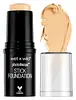 Key Ingredients
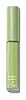
Benefits
Concerns
Ingredients Side-by-side
Isononyl Isononanoate
EmollientDipentaerythrityl Hexa C5-9 Acid Esters
Skin ConditioningDipentaerythrityl Hexahydroxystearate/Hexastearate/Hexarosinate
Skin ConditioningSilica
Abrasive


Ethylhexyl Palmitate
Emollient




Polyglyceryl-10 Diisostearate
Emulsifying
Polyglyceryl-2 Triisostearate
Emulsifying
Polyethylene
Abrasive
Caprylic/Capric Triglyceride
Masking


Synthetic Wax
Abrasive
Hydrogenated Microcrystalline Wax
Emulsion StabilisingCopernicia Cerifera Cera
Emollient
Cera Microcristallina
Emulsion StabilisingDimethicone
Emollient

Euphorbia Cerifera Cera
Astringent
Hydrogenated Styrene/Methylstyrene/Indene Copolymer
Triethoxycaprylylsilane
Astrocaryum Murumuru Seed Butter
Emollient
Phytosteryl Macadamiate
Skin Conditioning
Sorbic Acid
Preservative
Phenoxyethanol
Preservative
Helianthus Annuus Seed Oil
Emollient
Passiflora Edulis Seed Oil
Emollient
Tocopherol
Antioxidant





Schinziophyton Rautanenii Kernel Oil
Emollient
Macadamia Integrifolia Seed Oil
Skin Conditioning
Argania Spinosa Kernel Oil
Emollient
Cocos Nucifera Oil
Masking
Glycine Soja Oil
Emollient
Pentaerythrityl Tetra-Di-T-Butyl Hydroxyhydrocinnamate
Antioxidant
CI 77491
Cosmetic ColorantCI 77492
Cosmetic ColorantCI 77499
Cosmetic ColorantIsononyl Isononanoate, Dipentaerythrityl Hexa C5-9 Acid Esters, Dipentaerythrityl Hexahydroxystearate/Hexastearate/Hexarosinate, Silica, Ethylhexyl Palmitate, Polyglyceryl-10 Diisostearate, Polyglyceryl-2 Triisostearate, Polyethylene, Caprylic/Capric Triglyceride, Synthetic Wax, Hydrogenated Microcrystalline Wax, Copernicia Cerifera Cera, Cera Microcristallina, Dimethicone, Euphorbia Cerifera Cera, Hydrogenated Styrene/Methylstyrene/Indene Copolymer, Triethoxycaprylylsilane, Astrocaryum Murumuru Seed Butter, Phytosteryl Macadamiate, Sorbic Acid, Phenoxyethanol, Helianthus Annuus Seed Oil, Passiflora Edulis Seed Oil, Tocopherol, Schinziophyton Rautanenii Kernel Oil, Macadamia Integrifolia Seed Oil, Argania Spinosa Kernel Oil, Cocos Nucifera Oil, Glycine Soja Oil, Pentaerythrityl Tetra-Di-T-Butyl Hydroxyhydrocinnamate, CI 77491, CI 77492, CI 77499
Water
Skin ConditioningDimethicone
Emollient
Propylene Glycol
Humectant
Octyldodecanol
Emollient
Hydrogenated Polyisobutene
EmollientCetyl PEG/PPG-10/1 Dimethicone
Emulsifying
Polyglyceryl-4 Isostearate
Emulsifying
Boron Nitride
Absorbent
Caprylic Acid
CleansingHydrogenated Styrene/Methylstyrene/Indene Copolymer
Sodium Chloride
MaskingDiethylhexyl Carbonate
EmollientAcrylates/Dimethicone Copolymer
Skin Conditioning
Vinyldimethicone
Vinyl Dimethicone/Methicone Silsesquioxane Crosspolymer
Mica
Cosmetic ColorantPhenoxyethanol
Preservative
Propylene Carbonate
SolventIsopropyl Titanium Triisostearate
Emollient
Alumina
Abrasive
Ethylhexylglycerin
Skin ConditioningCaprylyl Glycol
Emollient
Disodium EDTA
Pentaerythrityl Tetra-Di-T-Butyl Hydroxyhydrocinnamate
Antioxidant
Sodium Hyaluronate
Humectant
CI 77891
Cosmetic ColorantCI 77288
Cosmetic ColorantCI 77007
Cosmetic ColorantWater, Dimethicone, Propylene Glycol, Octyldodecanol, Hydrogenated Polyisobutene, Cetyl PEG/PPG-10/1 Dimethicone, Polyglyceryl-4 Isostearate, Boron Nitride, Caprylic Acid, Hydrogenated Styrene/Methylstyrene/Indene Copolymer, Sodium Chloride, Diethylhexyl Carbonate, Acrylates/Dimethicone Copolymer, Vinyldimethicone, Vinyl Dimethicone/Methicone Silsesquioxane Crosspolymer, Mica, Phenoxyethanol, Propylene Carbonate, Isopropyl Titanium Triisostearate, Alumina, Ethylhexylglycerin, Caprylyl Glycol, Disodium EDTA, Pentaerythrityl Tetra-Di-T-Butyl Hydroxyhydrocinnamate, Sodium Hyaluronate, CI 77891, CI 77288, CI 77007
Reviews
Ingredients Explained
These ingredients are found in both products.
Ingredients higher up in an ingredient list are typically present in a larger amount.
Dimethicone is a type of synthetic silicone created from natural materials such as quartz. It is also known as polydimethylsiloxane.
What it does:
Dimethicone comes in different viscosities:
Depending on the viscosity, dimethicone has different properties.
Ingredients lists don't always show which type is used, so we recommend reaching out to the brand if you have questions about the viscosity.
This ingredient is unlikely to cause irritation because it does not get absorbed into skin. However, people with silicone allergies should be careful about using this ingredient.
Note: Dimethicone may contribute to pilling. This is because it is not oil or water soluble, so pilling may occur when layered with products. When mixed with heavy oils in a formula, the outcome is also quite greasy.
Learn more about DimethiconeWe don't have a description for Hydrogenated Styrene/Methylstyrene/Indene Copolymer yet.
Pentaerythrityl Tetra-Di-T-Butyl Hydroxyhydrocinnamate (long name, huh?) is a synthetic antioxidant.
It is used to help stabilize other antioxidants or prevent the color from changing in a product.
As an antioxidant, it helps fight free-radical molecules. Free-radical molecules are capable of damaging our cells and other genetic material. Thus, antioxidants may reduce the signs of aging.
This ingredient is oil-soluble.
Learn more about Pentaerythrityl Tetra-Di-T-Butyl HydroxyhydrocinnamatePhenoxyethanol is one of the most widely used preservatives in skincare (and for good reason!).
It has a large spectrum of antimicrobial activity and especially effective bacteria, yeast, and mold while only having a weak effect on your skin's natural microbiome.
On a cellular level, it disrupts the cell membranes of microbes by poking holes that make the cell leak. This shuts down the chemical reactions the microbe needs to make energy so it can no longer survive.
Another perk of this ingredient is that it stays functional across a wide pH range (3-10).
You'll often see it paired with boosters like Ethylhexylglycerin; one study showed that a 1:9 ratio of Ethylhexylglycerin to Phenoxyethanol damages bacterial membranes as effectively as doubling the Phenoxyethanol concentration on its own.
Typical use concentrations range from 0.3-1% depending on the formula, and this ingredient is capped at 1% int the EU.
Safety-wise, the fear mongering does not hold up to the evidence. The EU's Scientific Committee on Consumer Safety and FDA consider it safe as a preservative at up to 1%, including for children of all ages.
Adverse systemic effects only showed up in animal studies at exposures roughly 200x higher than what people get from cosmetics. And despite its very widespread use, this ingredient is a rare sensitizer and allergic reactions are uncommon.
Learn more about Phenoxyethanol

