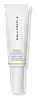
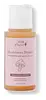
W3ll People Fresh Dew Snow Mushroom Gel Cream Moisturizer Versus 100% Pure Mushroom Peptide Moisturizer
This barrier-repair moisturizer is formulated around Niacinamide and Ceramide Ng to strengthen the skin barrier and hydrate skin.
This anti-aging moisturizer is formulated around Niacinamide and Ganoderma Lucidum Extract to soften the look of wrinkles.

What's inside
What's inside
 Key Ingredients
Benefits
Concerns
Ingredients Side-by-side
Water
Skin ConditioningNiacinamide
Smoothing











Glycerin
Humectant
Caprylic/Capric Triglyceride
Masking
Butylene Glycol
Humectant
C12-15 Alkyl Benzoate
AntimicrobialDiisostearyl Malate
EmollientJojoba Esters
Emollient

Sodium Acrylates Copolymer
Palmitoyl Hexapeptide-12
Skin Conditioning
Ceramide Ng
Skin Conditioning
Hydrolyzed Sodium Hyaluronate
Skin Conditioning
Sodium Hyaluronate
Humectant
Aloe Barbadensis Leaf Juice
Skin Conditioning
Tremella Fuciformis Sporocarp Extract
Antioxidant
Brassica Oleracea Italica Seed Oil
Emollient
Hydrolyzed Jojoba Esters
Skin Conditioning
Lecithin
Emollient
Anhydroxylitol
Humectant
Xylitol
Humectant
Xylitylglucoside
Humectant
Saccharide Isomerate
Humectant
Xanthan Gum
EmulsifyingTocopherol
Antioxidant
Tribehenin
Emollient
Arginine
Masking
Helianthus Annuus Seed Oil
Emollient
Carbomer
Emulsion StabilisingCitric Acid
Buffering
Sodium Citrate
BufferingPotassium Sorbate
Preservative
Sodium Benzoate
Masking
Phenethyl Alcohol
MaskingEthylhexylglycerin
Skin ConditioningCaprylyl Glycol
Emollient
Water, Niacinamide, Glycerin, Caprylic/Capric Triglyceride, Butylene Glycol, C12-15 Alkyl Benzoate, Diisostearyl Malate, Jojoba Esters, Sodium Acrylates Copolymer, Palmitoyl Hexapeptide-12, Ceramide Ng, Hydrolyzed Sodium Hyaluronate, Sodium Hyaluronate, Aloe Barbadensis Leaf Juice, Tremella Fuciformis Sporocarp Extract, Brassica Oleracea Italica Seed Oil, Hydrolyzed Jojoba Esters, Lecithin, Anhydroxylitol, Xylitol, Xylitylglucoside, Saccharide Isomerate, Xanthan Gum, Tocopherol, Tribehenin, Arginine, Helianthus Annuus Seed Oil, Carbomer, Citric Acid, Sodium Citrate, Potassium Sorbate, Sodium Benzoate, Phenethyl Alcohol, Ethylhexylglycerin, Caprylyl Glycol
Aloe Barbadensis Leaf Juice
Skin Conditioning
Helianthus Annuus Seed Oil
Emollient
Rosa Damascena Flower Water
Masking
Glycerin
Humectant
Niacinamide
Smoothing
Quinoyl Tripeptide-7
Antioxidant
Ganoderma Lucidum Extract
Skin Protecting
Lentinus Edodes Extract
Skin ConditioningInonotus Obliquus Extract
Skin ConditioningTremella Fuciformis Extract
Humectant
Cordyceps Militaris Extract
Skin ConditioningHericium Erinaceus Extract
Grifola Frondosa Extract
Skin ConditioningTrametes Versicolor Extract
Silene Velutina Extract
Skin ConditioningAgaricus Blazei Extract
Skin ConditioningPhellinus Ribis Extract
Antioxidant
Rosa Canina Fruit Extract
Astringent
Chenopodium Quinoa Seed Extract
Skin Conditioning
Sodium Hyaluronate
Humectant
Tocopherol
Antioxidant
Squalane
Emollient
Xanthan Gum
EmulsifyingRaspberry Ketone
Masking

Pelargonium Graveolens Oil
Masking


Lavandula Angustifolia Oil
Masking
Lauryl Glucoside
CleansingMyristyl Glucoside
CleansingPolyglyceryl-6 Laurate
Emulsifying
Dehydroacetic Acid
Preservative
Benzyl Alcohol
Perfuming

Aloe Barbadensis Leaf Juice, Helianthus Annuus Seed Oil, Rosa Damascena Flower Water, Glycerin, Niacinamide, Quinoyl Tripeptide-7, Ganoderma Lucidum Extract, Lentinus Edodes Extract, Inonotus Obliquus Extract, Tremella Fuciformis Extract, Cordyceps Militaris Extract, Hericium Erinaceus Extract, Grifola Frondosa Extract, Trametes Versicolor Extract, Silene Velutina Extract, Agaricus Blazei Extract, Phellinus Ribis Extract, Rosa Canina Fruit Extract, Chenopodium Quinoa Seed Extract, Sodium Hyaluronate, Tocopherol, Squalane, Xanthan Gum, Raspberry Ketone, Pelargonium Graveolens Oil, Lavandula Angustifolia Oil, Lauryl Glucoside, Myristyl Glucoside, Polyglyceryl-6 Laurate, Dehydroacetic Acid, Benzyl Alcohol
Ingredients Explained
These ingredients are found in both products.
Ingredients higher up in an ingredient list are typically present in a larger amount.
Aloe Barbadensis Leaf Juice is the filtered, stabilized liquid pressed from the inner gel of the aloe vera leaf.
In cosmetics, it shows up as either soothing active or a water-replacement base. It is roughly 98-99% water and the last 1-2% is an interesting mix of polysaccharides, amino acids, vitamins, minerals, and enzymes.
The polysaccharides do most of the work: they bind water at the skin surface for a light, non-greasy hydration boost. And one of the polysaccharides, glycomannan, is linked to fibroblast stimulation + collagen synthesis. This is also why aloe has such a long track record in wound and burn healing.
This ingredient is also calming with anti-inflammatory and mild antimicrobial activity, making it a great pick for sensitive, irritated, or post-sun skin.
Realistic expectations matter though; the solid evidence is mostly limited to hydration, soothing, and wound support. Deeper claims about anti-aging or sun protection are not well backed, and science reviews note it does not prevent radiation-induced skin injury.
Because it plays well with almost everything, it's commonly used as a base alongside other actives like niacinamide or vitamin C.
Typical usage concentrations range from 0.5% (where hydration benefits already show up) all the way to 90%+ (where it replaces water as the main base).
The safety for this ingredient is well-establish as well. Overall, this is a great supporting ingredient for those who want a boost in hydration.
Learn more about Aloe Barbadensis Leaf JuiceGlycerin (or glycerol) is a compound naturally found in your skin. It's a powerhouse humectant that pulls water into the stratum corneum.
Topically, glycerin does several things at once:
Your skin makes glycerin on its own (mostly from sebaceous oil breakdown) and shuttles it to your outermost layer of skin, or your epidermis, via aquaporin-3.
Aquaporin-3 is a transporter that is essential for normal skin hydration, elasticity, and repair. Interestingly, mice lacking in AQP3 have dry and less elastic skin that can be fully corrected with glycerin.
This ingredient is non-irritating, plays well with almost every ingredient, and works across all skin types. Typical use is anywhere between 3-10% but can go up to 79% in some leave-on products.
Just know very high concentrations (>40%) can feel tacky in low humidity.
Glycerin is the name for this ingredient in American English. British English uses Glycerol/Glycerine.
Learn more about GlycerinHelianthus Annuus Seed Oil is a plant oil derived from the seeds of a sunflower.
It is rich in fatty acids, primarily linoleic acid and oleic acid. This gives it emollient and skin conditioning properties.
The reason this ingredient is so effective is because it forms a thin film on the skin that reduces transepidermal water loss (TEWL) while supplying linoleic acid to the stratum corneum to improve barrier strength.
The high linoleic acid content is particularly noteworthy for acne-prone skin.
Research suggests that acne-prone skin tends to be deficient in linoleic acid in sebum. Topical application may help replenish this to support a healthier follicular environment and less comedone-promoting sebum.
One randomized study found sunflower seed oil preserved skin barrier integrity in adult volunteers with and without atopic dermatitis (outperforming olive oil).
This ingredient is well-studied, gentle, and an effective emollient suitable for most skin types.
On fungal acne: This ingredient may not be Fungal acne (Malassezia folliculitis) safe. This is because it contains fatty acids with carbon chain lengths in the C11-C24 range.
Learn more about Helianthus Annuus Seed OilNiacinamide is a multitasking form of vitamin B3 that strengthens the skin barrier, reduces pores and dark spots, regulates oil, and improves signs of aging.
And the best part? It's gentle and well-tolerated by most skin types, including sensitive and reactive skin.
You might have heard of "niacin flush", or the reddening of skin that causes itchiness. Niacinamide has not been found to cause this.
In very rare cases, some individuals may not be able to tolerate niacinamide at all or experience an allergic reaction to it.
If you are experiencing flaking, irritation, and dryness with this ingredient, be sure to double check all your products as this ingredient can be found in all categories of skincare.
When incorporating niacinamide into your routine, look out for concentration amounts. Typically, 5% niacinamide provides benefits such as fading dark spots. However, if you have sensitive skin, it is better to begin with a smaller concentration.
When you apply niacinamide to your skin, your body converts it into nicotinamide adenine dinucleotide (NAD). NAD is an essential coenzyme that is already found in your cells as "fuel" and powers countless biological processes.
In your skin, NAD helps repair cell damage, produce new healthy cells, support collagen production, strengthen the skin barrier, and fight environmental stressors (like UV and pollution).
Our natural NAD levels start to decline with age, leading to slower skin repair, visible aging, and a weaker skin barrier. By providing your skin niacinamide, you're recharging your skin's NAD levels. This leads to stronger, healthier, and younger looking skin.
Another name for vitamin B3 is nicotinamide. This vitamin is water-soluble and our bodies don't store it. We obtain Vitamin B3 from either food or skincare. Meat, fish, wheat, yeast, and leafy greens contain vitamin B3.
The type of niacinamide used in skincare is synthetically created.
Learn more about NiacinamideSodium Hyaluronate is the salt form of hyaluronic acid. It is a long sugar chain that is naturally found in your skin, joints, and connective tissue that maintains hydration and elasticity.
In skincare, it works as a humectant. It pulls water from the environment and deeper layers of skin and binds it to the surface.
Interestingly, the size of the molecule affects its behavior:
Some clinical evidence links low molecular weight versions to improved wrinkle depth, elasticity, anti-inflammatory effects, and barrier repair.
Many serums use a blend of both weights so you can get surface hydration plus longer-lasting and deeper effects.
You'll typically see concentrations between 0.1-2% for this ingredient.
Learn more about Sodium HyaluronateTocopherol is a fat-soluble antioxidant known as Vitamin E.
You'll find this ingredient in the vast majority of skincare (for good reason). It works to neutralize free radicals, or unstable molecules generated by UV exposure, pollution, and other environmental stressors, before they can cause oxidative damage to your skin cells.
Topically applied tocopherol has been shown to protect against UV damage by ramping up the skin's own natural defense enzymes.
It also acts as a skin conditioning agent; some studies show that regular topical use can improve the skin's water-binding capacity over 2-4 weeks.
This ingredient is especially loved for being a team player. When combined with Vitamin C, the photoprotective effect of both ingredients roughly doubles and the combo also helps reduce UV-induced DNA damage.
This ingredient has some brightening potential but it's more of a prevention ingredient than spot-fader. Cell studies show it can slow down melanin production but it's worth noting that it's not the most powerful brightener out there.
In formulations, it also serves as a stabilizer that helps protect other oxidation-prone ingredients from degrading.
Concentrations usually range from 0.1-1% in most leave-on products.
Learn more about TocopherolXanthan gum is used as a stabilizer and thickener within cosmetic products. It helps give products a sticky, thick feeling - preventing them from being too runny.
On the technical side of things, xanthan gum is a polysaccharide - a combination consisting of multiple sugar molecules bonded together.
Xanthan gum is a pretty common and great ingredient. It is a natural, non-toxic, non-irritating ingredient that is also commonly used in food products.
Learn more about Xanthan Gum

