
What's inside
What's inside
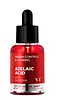 Key Ingredients
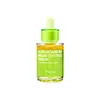
Benefits
Concerns
Ingredients Side-by-side
Water
Skin ConditioningPropylene Glycol
Humectant


Azelaic Acid
Buffering








Tromethamine
Buffering1,2-Hexanediol
Skin Conditioning
Panthenol
Skin Conditioning
Polyglyceryl-10 Laurate
Skin Conditioning
Ethylhexylglycerin
Skin ConditioningXanthan Gum
EmulsifyingCyanocobalamin
Skin ConditioningDipotassium Glycyrrhizate
Humectant
Lactobacillus/Soymilk Ferment Filtrate
Skin ConditioningButylene Glycol
Humectant
Sodium Hyaluronate
Humectant
Xylitylglucoside
Humectant
Anhydroxylitol
Humectant
Pentylene Glycol
Skin ConditioningXylitol
Humectant
Melaleuca Alternifolia Leaf Extract
Perfuming
Hydroxypropyltrimonium Hyaluronate
Houttuynia Cordata Extract
Skin Conditioning
Centella Asiatica Extract
Cleansing
Tocopherol
Antioxidant

Madecassoside
Antioxidant
Hydrolyzed Hyaluronic Acid
Humectant
Sodium Acetylated Hyaluronate
Humectant
Dextrin
AbsorbentHyaluronic Acid
Humectant
Asiaticoside
Antioxidant
Hydrolyzed Sodium Hyaluronate
Skin Conditioning
Sodium Hyaluronate Crosspolymer
Humectant
Potassium Hyaluronate
Skin ConditioningWater, Propylene Glycol, Azelaic Acid, Tromethamine, 1,2-Hexanediol, Panthenol, Polyglyceryl-10 Laurate, Ethylhexylglycerin, Xanthan Gum, Cyanocobalamin, Dipotassium Glycyrrhizate, Lactobacillus/Soymilk Ferment Filtrate, Butylene Glycol, Sodium Hyaluronate, Xylitylglucoside, Anhydroxylitol, Pentylene Glycol, Xylitol, Melaleuca Alternifolia Leaf Extract, Hydroxypropyltrimonium Hyaluronate, Houttuynia Cordata Extract, Centella Asiatica Extract, Tocopherol, Madecassoside, Hydrolyzed Hyaluronic Acid, Sodium Acetylated Hyaluronate, Dextrin, Hyaluronic Acid, Asiaticoside, Hydrolyzed Sodium Hyaluronate, Sodium Hyaluronate Crosspolymer, Potassium Hyaluronate
Water
Skin ConditioningAzelaic Acid
Buffering
Melaleuca Alternifolia Leaf Water
Antimicrobial
Butylene Glycol
Humectant
Caprylic/Capric Triglyceride
Masking
Hydroxypropyl Cyclodextrin
MaskingDisodium Phosphate
Buffering1,2-Hexanediol
Skin Conditioning
Glycerin
Humectant
Niacinamide
Smoothing
Maltodextrin
Absorbent
Hydroxyethylcellulose
Emulsion StabilisingCoptis Japonica Root Extract
Skin ConditioningAgar
MaskingGellan Gum
Kojic Acid
Antioxidant
Ethylhexylglycerin
Skin ConditioningHydroxydecyl Ubiquinone
Antioxidant
Adenosine
Skin Conditioning
Trisodium Ethylenediamine Disuccinate
Malachite Extract
Antioxidant
Melaleuca Alternifolia Leaf Oil
Antioxidant
Arginine
Masking
Xanthan Gum
EmulsifyingTocopherol
Antioxidant
Glutathione
Bisabolol
Masking
Helianthus Annuus Seed Oil
Emollient
Xanthophylls
Skin ConditioningWater, Azelaic Acid, Melaleuca Alternifolia Leaf Water, Butylene Glycol, Caprylic/Capric Triglyceride, Hydroxypropyl Cyclodextrin, Disodium Phosphate, 1,2-Hexanediol, Glycerin, Niacinamide, Maltodextrin, Hydroxyethylcellulose, Coptis Japonica Root Extract, Agar, Gellan Gum, Kojic Acid, Ethylhexylglycerin, Hydroxydecyl Ubiquinone, Adenosine, Trisodium Ethylenediamine Disuccinate, Malachite Extract, Melaleuca Alternifolia Leaf Oil, Arginine, Xanthan Gum, Tocopherol, Glutathione, Bisabolol, Helianthus Annuus Seed Oil, Xanthophylls
Ingredients Explained
These ingredients are found in both products.
Ingredients higher up in an ingredient list are typically present in a larger amount.
1,2-Hexanediol is a synthetic liquid and another multi-functional powerhouse.
It is a:
- Humectant, drawing moisture into the skin
- Emollient, helping to soften skin
- Solvent, dispersing and stabilizing formulas
- Preservative booster, enhancing the antimicrobial activity of other preservatives
Azelaic acid is a multitasker ingredient that helps treat acne, pigmentation, and irritation. It is a great option for sensitive skin.
What makes azelaic special?
The best thing about azelaic acid is it's gentleness. It's generally well-tolerated and safe to use alongside other actives like niacinamide or salicylic acid.
Unlike AHAs, azelaic acid will not make you photosensitive/sun sensitive.
You can find this ingredient naturally occurring in grains like wheat, rye, and barley. In cosmetics, azelaic acid is typically lab-made, which is more stable and effective.
Learn more about Azelaic AcidButylene Glycol (or BG) is used within cosmetic products for a few different reasons:
Overall, Butylene Glycol is a safe and well-rounded ingredient that works well with other ingredients.
Though this ingredient works well with most skin types, some people with sensitive skin may experience a reaction such as allergic rashes, closed comedones, or itchiness.
Learn more about Butylene GlycolEthylhexylglycerin (we can't pronounce this either) is commonly used as a preservative and skin softener. It is derived from glyceryl.
You might see Ethylhexylglycerin often paired with other preservatives such as phenoxyethanol. Ethylhexylglycerin has been found to increase the effectiveness of these other preservatives.
Tocopherol (also known as Vitamin E) is a common antioxidant used to help protect the skin from free-radicals and strengthen the skin barrier. It's also fat soluble - this means our skin is great at absorbing it.
Vitamin E also helps keep your natural skin lipids healthy. Your lipid skin barrier naturally consists of lipids, ceramides, and fatty acids. Vitamin E offers extra protection for your skin’s lipid barrier, keeping your skin healthy and nourished.
Another benefit is a bit of UV protection. Vitamin E helps reduce the damage caused by UVB rays. (It should not replace your sunscreen). Combining it with Vitamin C can decrease sunburned cells and hyperpigmentation after UV exposure.
You might have noticed Vitamin E + C often paired together. This is because it is great at stabilizing Vitamin C. Using the two together helps increase the effectiveness of both ingredients.
There are often claims that Vitamin E can reduce/prevent scarring, but these claims haven't been confirmed by scientific research.
Learn more about TocopherolWater. It's the most common cosmetic ingredient of all. You'll usually see it at the top of ingredient lists, meaning that it makes up the largest part of the product.
So why is it so popular? Water most often acts as a solvent - this means that it helps dissolve other ingredients into the formulation.
You'll also recognize water as that liquid we all need to stay alive. If you see this, drink a glass of water. Stay hydrated!
Learn more about WaterXanthan gum is used as a stabilizer and thickener within cosmetic products. It helps give products a sticky, thick feeling - preventing them from being too runny.
On the technical side of things, xanthan gum is a polysaccharide - a combination consisting of multiple sugar molecules bonded together.
Xanthan gum is a pretty common and great ingredient. It is a natural, non-toxic, non-irritating ingredient that is also commonly used in food products.
Learn more about Xanthan Gum
