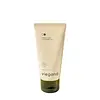
This anti-aging moisturizer is formulated around Rosa Damascena Flower Water and Ubiquinone to soften the look of wrinkles and calm redness.
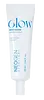
This barrier-repair moisturizer is formulated around Squalane and Niacinamide to strengthen the skin barrier and hydrate skin.

What's inside
What's inside
 Key Ingredients
Benefits
Concerns
Ingredients Side-by-side
Rosa Damascena Flower Water
Masking

Butylene Glycol
Humectant

Caprylic/Capric Triglyceride
Masking
Water
Skin Conditioning1,2-Hexanediol
Skin Conditioning
Sorbitan Olivate
Emulsifying

Cetearyl Olivate
Dimethicone
Emollient

Pentaerythrityl Tetraethylhexanoate
Emollient
Propylene Glycol Dibenzoate
Skin ConditioningEuphorbia Cerifera Wax
Cetyl Palmitate
Emollient
Sorbitan Palmitate
Emulsifying
Allantoin
Skin Conditioning
Arginine
Masking
Carbomer
Emulsion StabilisingUbiquinone
Antioxidant

Tocopherol
Antioxidant


Ceramide NP
Skin Conditioning
Lecithin
Emollient
Ethylhexylglycerin
Skin ConditioningAdenosine
Skin Conditioning
Xanthan Gum
EmulsifyingNiacinamide
Smoothing




Centella Asiatica Extract
Cleansing
Punica Granatum Fruit Extract
Antioxidant
Sodium Hyaluronate
Humectant
Rosa Damascena Flower Water, Butylene Glycol, Caprylic/Capric Triglyceride, Water, 1,2-Hexanediol, Sorbitan Olivate, Cetearyl Olivate, Dimethicone, Pentaerythrityl Tetraethylhexanoate, Propylene Glycol Dibenzoate, Euphorbia Cerifera Wax, Cetyl Palmitate, Sorbitan Palmitate, Allantoin, Arginine, Carbomer, Ubiquinone, Tocopherol, Ceramide NP, Lecithin, Ethylhexylglycerin, Adenosine, Xanthan Gum, Niacinamide, Centella Asiatica Extract, Punica Granatum Fruit Extract, Sodium Hyaluronate
Water
Skin ConditioningSqualane
Emollient
Glycerin
Humectant
Niacinamide
Smoothing
Betaine
Humectant
1,2-Hexanediol
Skin Conditioning
Panthenol
Skin Conditioning
Acrylates/C10-30 Alkyl Acrylate Crosspolymer
Emulsion StabilisingArginine
Masking
Ammonium Acryloyldimethyltaurate/Vp Copolymer
Xylitylglucoside
Humectant
Butylene Glycol
Humectant
Anhydroxylitol
Humectant
Allantoin
Skin Conditioning
Ethylhexylglycerin
Skin ConditioningXylitol
Humectant
Adenosine
Skin Conditioning
Disodium EDTA
ChelatingSodium Hyaluronate
Humectant
Diospyros Kaki Leaf Extract
Skin Protecting
Vitis Vinifera Fruit Extract
Skin ConditioningPolygonum Cuspidatum Root Extract
Antioxidant
Carthamus Tinctorius Flower Extract
Skin ConditioningCoffea Arabica Seed Extract
Masking
Chamomilla Recutita Flower Extract
Masking
Aesculus Hippocastanum Bark Extract
AstringentZanthoxylum Piperitum Fruit Extract
Skin ConditioningHydrogenated Lecithin
Emulsifying
Glyceryl Stearate
Emollient
Xanthan Gum
EmulsifyingCeramide NP
Skin Conditioning
Caprylyl Glycol
Emollient
Glucose
Humectant
Chondrus Crispus Extract
Skin Conditioning

Collagen Extract
Skin Conditioning
Hydroxypropyltrimonium Hyaluronate
Hydrolyzed Hyaluronic Acid
Humectant
Sodium Acetylated Hyaluronate
Humectant
Hyaluronic Acid
Humectant
Sodium Hyaluronate Crosspolymer
Humectant
Hydrolyzed Sodium Hyaluronate
Skin Conditioning
Potassium Hyaluronate
Skin ConditioningWater, Squalane, Glycerin, Niacinamide, Betaine, 1,2-Hexanediol, Panthenol, Acrylates/C10-30 Alkyl Acrylate Crosspolymer, Arginine, Ammonium Acryloyldimethyltaurate/Vp Copolymer, Xylitylglucoside, Butylene Glycol, Anhydroxylitol, Allantoin, Ethylhexylglycerin, Xylitol, Adenosine, Disodium EDTA, Sodium Hyaluronate, Diospyros Kaki Leaf Extract, Vitis Vinifera Fruit Extract, Polygonum Cuspidatum Root Extract, Carthamus Tinctorius Flower Extract, Coffea Arabica Seed Extract, Chamomilla Recutita Flower Extract, Aesculus Hippocastanum Bark Extract, Zanthoxylum Piperitum Fruit Extract, Hydrogenated Lecithin, Glyceryl Stearate, Xanthan Gum, Ceramide NP, Caprylyl Glycol, Glucose, Chondrus Crispus Extract, Collagen Extract, Hydroxypropyltrimonium Hyaluronate, Hydrolyzed Hyaluronic Acid, Sodium Acetylated Hyaluronate, Hyaluronic Acid, Sodium Hyaluronate Crosspolymer, Hydrolyzed Sodium Hyaluronate, Potassium Hyaluronate
Reviews
Ingredients Explained
These ingredients are found in both products.
Ingredients higher up in an ingredient list are typically present in a larger amount.
1,2-Hexanediol is a synthetic liquid and another multi-functional powerhouse.
It is a:
- Humectant, drawing moisture into the skin
- Emollient, helping to soften skin
- Solvent, dispersing and stabilizing formulas
- Preservative booster, enhancing the antimicrobial activity of other preservatives
Adenosine is a purine nucleoside that your body already makes in every cell. In skincare, it acts mainly as a skin conditioning and anti-aging agent.
The way it works is fairly well mapped out:
Your skin has cells called fibroblasts that build collagen (the stuff that keeps skin firm and smooth). Adenosine basically flips a switch on these cells that tells them to get to work making more collagen and other proteins. These cells slow down on their own as skin ages, so Adenosine helps give them a little nudge to keep going.
The clinical backing is pretty solid too.
A blind, randomized, placebo-controlled trial of 126 women aged 45-65 tested a 0.1% cream twice daily and found real improvements in crow's feet and frown lines using a precise 3D skin-mapping technique; these changes showed up by week 3 and held at 2 months.
A later study using Adenosine-loaded dissolving microneedle patches reported gains in wrinkle depth, dermal density, elasticity, and hydration.
On concentrations, South Korea's Ministry of Food and Drug Safety has set 0.04% as the approved functional anti-wrinkle level. You'll typically see this ingredient used somewhere in the 0.04-0.1% range since it works at low doses.
This ingredient has been found safe for cosmetics with the data showing no irritation or sensitization.
Overall, this is a great ingredient for any anti-aging routine and has no photosensitizing effect, so it suits both AM and PM use.
Learn more about AdenosineAllantoin is a soothing ingredient known for its protective and moisturizing properties; it's basically a quiet workhorse ingredient you can find in a huge range of cosmetics.
Though it can be derived from the comfrey plant, allantoin is produced synthetically for cosmetic products to ensure purity.
Research shows it can encourage your skin cells to turn over and renew by stimulating keratinocyte and fibroblast proliferation.
It also has mild keratolytic properties to help loosen and shed dead skin cells without being harsh.
Studies also suggest allantoin can help calm inflammation by dialing down some of the chemical signals your skin sends out when it is irritated.
This ingredient is typically used in the 0.1-0.5% range, and the FDA recognizes it as a skin protectant in OTC products up to 2%.
Overall, allantoin is a wonderful addition to most routines; it is stable across a wide pH range (~4-8), works well with other ingredients, and is considered non-sensitizing/non-irritating.
Fun fact: Allantoin is naturally occurring in comfrey root, beets, chamomile, and wheat sprouts. Our bodies even produce it as a byproduct of uric acid metabolism.
Learn more about AllantoinArginine is a semi-essential amino acid. This just means our bodies can product a bit on its own, but sometimes needs a little boost from food sources.
It is a part of your skin's natural moisturizing factor (NMF), or the water-loving molecules in your outermost layer of skin (stratum corneum) that keeps everything hydrated and happy.
Here's an interesting thing about Arginine: your skin converts it into urea through the Krebs-Henseleit urea cycle. Urea is one of the most effective humectants your skin naturally produces.
A clinical study showed applying 2.5% arginine hydrochloride to atopic dermatitis skin showed significant urea levels in the stratum corneum and improved moisture in just four weeks.
Arginine is also a precursor to nitric oxide; nitric oxide improves microcirculation and supports wound healing and collagen synthesis.
One study found that an amino acid complex containing Arginine reduced skin irritation, improved hydration, and accelerated skin repair in clinical / in-vivo studies.
Arginine itself is an amino acid and not a fatty acid, oil, or ester. On its own, it's not a direct food source for Malassezia, or the yeast that causes fungal acne.
Learn more about ArginineButylene Glycol (or BG) is used within cosmetic products for a few different reasons:
Overall, Butylene Glycol is a safe and well-rounded ingredient that works well with other ingredients.
Though this ingredient works well with most skin types, some people with sensitive skin may experience a reaction such as allergic rashes, closed comedones, or itchiness.
Learn more about Butylene GlycolCeramide NP (formerly known as Ceramide 3) is one of the skin's naturally occurring lipids.
Since ceramides are the major lipid components of the skin, they are crucial for maintaining skin barrier and hydration. Ceramide NP most closely mirrors the dominant kind in human skin amongst ceramide subtypes.
This ceramide works by slotting into gaps within the stratum corneum's lipid matrix to limit trans-epidermal water loss (TEWL) and shield the skin against external irritants.
A study with 312 patients found that using a ceramide-containing routine for 4 weeks reduced the severity of atopic dermatitis by over 61%.
Another clinical study in subjects aged 60 and older found that a ceramide body wash and moisturizer improved skin dryness and itchy skin in 15 days.
Overall, ceramides are considered non-irritating and safety tests have found little to no observable adverse effects from using this ingredient.
Ceramide NP is usually sourced from plants (like soybean or rice bran), or produced synthetically.
Learn more about Ceramide NPEthylhexylglycerin is created from glycerin. It is a multitasker ingredient that:
The CIR Expert Panel found minimal skin absorption or sensitization of any kind in a safety assessment. Though this ingredient is considered well-tolerated, a small number of cases of allergic dermatitis have been published since 2002. Just be sure to patch test if you are unsure.
Industry-reported use ranges from 8% in rinse-off products and 2% in leave-on formulations.
Learn more about EthylhexylglycerinNiacinamide is a multitasking form of vitamin B3 that strengthens the skin barrier, reduces pores and dark spots, regulates oil, and improves signs of aging.
And the best part? It's gentle and well-tolerated by most skin types, including sensitive and reactive skin.
You might have heard of "niacin flush", or the reddening of skin that causes itchiness. Niacinamide has not been found to cause this.
In very rare cases, some individuals may not be able to tolerate niacinamide at all or experience an allergic reaction to it.
If you are experiencing flaking, irritation, and dryness with this ingredient, be sure to double check all your products as this ingredient can be found in all categories of skincare.
When incorporating niacinamide into your routine, look out for concentration amounts. Typically, 5% niacinamide provides benefits such as fading dark spots. However, if you have sensitive skin, it is better to begin with a smaller concentration.
When you apply niacinamide to your skin, your body converts it into nicotinamide adenine dinucleotide (NAD). NAD is an essential coenzyme that is already found in your cells as "fuel" and powers countless biological processes.
In your skin, NAD helps repair cell damage, produce new healthy cells, support collagen production, strengthen the skin barrier, and fight environmental stressors (like UV and pollution).
Our natural NAD levels start to decline with age, leading to slower skin repair, visible aging, and a weaker skin barrier. By providing your skin niacinamide, you're recharging your skin's NAD levels. This leads to stronger, healthier, and younger looking skin.
Another name for vitamin B3 is nicotinamide. This vitamin is water-soluble and our bodies don't store it. We obtain Vitamin B3 from either food or skincare. Meat, fish, wheat, yeast, and leafy greens contain vitamin B3.
The type of niacinamide used in skincare is synthetically created.
Learn more about NiacinamideSodium Hyaluronate is the salt form of hyaluronic acid. It is a long sugar chain that is naturally found in your skin, joints, and connective tissue that maintains hydration and elasticity.
In skincare, it works as a humectant. It pulls water from the environment and deeper layers of skin and binds it to the surface.
Interestingly, the size of the molecule affects its behavior:
Some clinical evidence links low molecular weight versions to improved wrinkle depth, elasticity, anti-inflammatory effects, and barrier repair.
Many serums use a blend of both weights so you can get surface hydration plus longer-lasting and deeper effects.
You'll typically see concentrations between 0.1-2% for this ingredient.
Learn more about Sodium HyaluronateWater. It's the most common cosmetic ingredient of all. You'll usually see it at the top of ingredient lists, meaning that it makes up the largest part of the product.
So why is it so popular? Water most often acts as a solvent - this means that it helps dissolve other ingredients into the formulation.
You'll also recognize water as that liquid we all need to stay alive. If you see this, drink a glass of water. Remember to stay hydrated!
Learn more about WaterXanthan gum is used as a stabilizer and thickener within cosmetic products. It helps give products a sticky, thick feeling - preventing them from being too runny.
On the technical side of things, xanthan gum is a polysaccharide - a combination consisting of multiple sugar molecules bonded together.
Xanthan gum is a pretty common and great ingredient. It is a natural, non-toxic, non-irritating ingredient that is also commonly used in food products.
Learn more about Xanthan Gum

