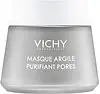
This wash off mask is made with Kaolin for a rinse-off pore-care boost.
This moisturizer is formulated around Arctium Lappa Root Extract to calm irritation.


What's inside
What's inside
 Key Ingredients
Benefits
Concerns
Ingredients Side-by-side
Water
Skin ConditioningKaolin
Abrasive



Argilla
Abrasive
Propanediol
Solvent

Glycerin
Humectant
Caprylic/Capric Triglyceride
Masking
CI 77891
Cosmetic ColorantCetearyl Alcohol
Emollient





Zea Mays Starch
Absorbent
CI 77499
Cosmetic ColorantCI 77492
Cosmetic ColorantCI 77491
Cosmetic ColorantAllantoin
Skin Conditioning

Ceteareth-20
Cleansing
Aloe Barbadensis Leaf Juice Powder
Skin Conditioning
Lecithin
Emollient
Phenoxyethanol
Preservative
Tocopherol
Antioxidant




Caprylyl Glycol
Emollient
Xanthan Gum
EmulsifyingParfum
Masking


Ceramide AP
Skin Conditioning
Water, Kaolin, Argilla, Propanediol, Glycerin, Caprylic/Capric Triglyceride, CI 77891, Cetearyl Alcohol, Zea Mays Starch, CI 77499, CI 77492, CI 77491, Allantoin, Ceteareth-20, Aloe Barbadensis Leaf Juice Powder, Lecithin, Phenoxyethanol, Tocopherol, Caprylyl Glycol, Xanthan Gum, Parfum, Ceramide AP
Water
Skin ConditioningGlycerin
Humectant
Methyl Glucose Sesquistearate
Emollient
Hamamelis Virginiana Leaf Water
Astringent
Panthenol
Skin Conditioning
Glycol
HumectantSimmondsia Chinensis Seed Oil
Emollient
Propylheptyl Caprylate
EmollientArctium Lappa Root Extract
Skin Conditioning
Fomes Officinalis Extract
Skin ProtectingCucumis Sativus Fruit Extract
Emollient
Orbignya Oleifera Seed Oil
Emollient
Macadamia Ternifolia Seed Oil
Emollient
Glycoproteins
Skin Conditioning
Glutamic Acid
Humectant
Butyrospermum Parkii Butter
Skin Conditioning
Cetyl Alcohol
Emollient
Sodium Hyaluronate
Humectant
Valine
MaskingThreonine
Tocopheryl Acetate
Antioxidant
Aluminum Starch Octenylsuccinate
Absorbent
Acrylates/C10-30 Alkyl Acrylate Crosspolymer
Emulsion StabilisingAllantoin
Skin Conditioning
Xanthan Gum
EmulsifyingLecithin
Emollient
Tocopherol
Antioxidant
Ascorbyl Palmitate
Antioxidant
Ammonium Acryloyldimethyltaurate/Vp Copolymer
Phenoxyethanol
Preservative
Ethylhexylglycerin
Skin ConditioningSodium Dehydroacetate
Preservative
Sodium Metabisulfite
Antioxidant
Sodium Benzoate
Masking
Potassium Sorbate
Preservative
Tetrasodium Glutamate Diacetate
Citric Acid
Buffering
Parfum
Masking
CI 42090
Cosmetic ColorantWater, Glycerin, Methyl Glucose Sesquistearate, Hamamelis Virginiana Leaf Water, Panthenol, Glycol, Simmondsia Chinensis Seed Oil, Propylheptyl Caprylate, Arctium Lappa Root Extract, Fomes Officinalis Extract, Cucumis Sativus Fruit Extract, Orbignya Oleifera Seed Oil, Macadamia Ternifolia Seed Oil, Glycoproteins, Glutamic Acid, Butyrospermum Parkii Butter, Cetyl Alcohol, Sodium Hyaluronate, Valine, Threonine, Tocopheryl Acetate, Aluminum Starch Octenylsuccinate, Acrylates/C10-30 Alkyl Acrylate Crosspolymer, Allantoin, Xanthan Gum, Lecithin, Tocopherol, Ascorbyl Palmitate, Ammonium Acryloyldimethyltaurate/Vp Copolymer, Phenoxyethanol, Ethylhexylglycerin, Sodium Dehydroacetate, Sodium Metabisulfite, Sodium Benzoate, Potassium Sorbate, Tetrasodium Glutamate Diacetate, Citric Acid, Parfum, CI 42090
Reviews
Ingredients Explained
These ingredients are found in both products.
Ingredients higher up in an ingredient list are typically present in a larger amount.
Allantoin is a soothing ingredient known for its protective and moisturizing properties; it's basically a quiet workhorse ingredient you can find in a huge range of cosmetics.
Though it can be derived from the comfrey plant, allantoin is produced synthetically for cosmetic products to ensure purity.
Research shows it can encourage your skin cells to turn over and renew by stimulating keratinocyte and fibroblast proliferation.
It also has mild keratolytic properties to help loosen and shed dead skin cells without being harsh.
Studies also suggest allantoin can help calm inflammation by dialing down some of the chemical signals your skin sends out when it is irritated.
This ingredient is typically used in the 0.1-0.5% range, and the FDA recognizes it as a skin protectant in OTC products up to 2%.
Overall, allantoin is a wonderful addition to most routines; it is stable across a wide pH range (~4-8), works well with other ingredients, and is considered non-sensitizing/non-irritating.
Fun fact: Allantoin is naturally occurring in comfrey root, beets, chamomile, and wheat sprouts. Our bodies even produce it as a byproduct of uric acid metabolism.
Learn more about AllantoinGlycerin (or glycerol) is a compound naturally found in your skin. It's a powerhouse humectant that pulls water into the stratum corneum.
Topically, glycerin does several things at once:
Your skin makes glycerin on its own (mostly from sebaceous oil breakdown) and shuttles it to your outermost layer of skin, or your epidermis, via aquaporin-3.
Aquaporin-3 is a transporter that is essential for normal skin hydration, elasticity, and repair. Interestingly, mice lacking in AQP3 have dry and less elastic skin that can be fully corrected with glycerin.
This ingredient is non-irritating, plays well with almost every ingredient, and works across all skin types. Typical use is anywhere between 3-10% but can go up to 79% in some leave-on products.
Just know very high concentrations (>40%) can feel tacky in low humidity.
Glycerin is the name for this ingredient in American English. British English uses Glycerol/Glycerine.
Learn more about GlycerinLecithin is a term for a group of substances found in the cell membranes of plants, animals, and humans. They are made up of phospholipids.
Thanks to its amphiphilic structure (water-loving head and oil-loving tail), it is a true multitasker:
It plays well with most ingredients and is typically used at 0.1-1%. However, concentrations up to 50% have been reported in moisturizers.
Learn more about LecithinParfum is a catch-all term for an ingredient or more that is used to give a scent to products.
Also called "fragrance", this ingredient can be a blend of hundreds of chemicals or plant oils. This means every product with "fragrance" or "parfum" in the ingredients list is a different mixture.
For instance, Habanolide is a proprietary trade name for a specific aroma chemical. When used as a fragrance ingredient in cosmetics, most aroma chemicals fall under the broad labeling category of “FRAGRANCE” or “PARFUM” according to EU and US regulations.
The term 'parfum' or 'fragrance' is not regulated in many countries. In many cases, it is up to the brand to define this term.
For instance, many brands choose to label themselves as "fragrance-free" because they are not using synthetic fragrances. However, their products may still contain ingredients such as essential oils that are considered a fragrance by INCI standards.
One example is Calendula flower extract. Calendula is an essential oil that still imparts a scent or 'fragrance'.
Depending on the blend, the ingredients in the mixture can cause allergies and sensitivities on the skin. Some ingredients that are known EU allergens include linalool and citronellol.
Parfum can also be used to mask or cover an unpleasant scent.
The bottom line is: not all fragrances/parfum/ingredients are created equally. If you are worried about fragrances, we recommend taking a closer look at an ingredient. And of course, we always recommend speaking with a professional.
Learn more about ParfumPhenoxyethanol is one of the most widely used preservatives in skincare (and for good reason!).
It has a large spectrum of antimicrobial activity and especially effective bacteria, yeast, and mold while only having a weak effect on your skin's natural microbiome.
On a cellular level, it disrupts the cell membranes of microbes by poking holes that make the cell leak. This shuts down the chemical reactions the microbe needs to make energy so it can no longer survive.
Another perk of this ingredient is that it stays functional across a wide pH range (3-10).
You'll often see it paired with boosters like Ethylhexylglycerin; one study showed that a 1:9 ratio of Ethylhexylglycerin to Phenoxyethanol damages bacterial membranes as effectively as doubling the Phenoxyethanol concentration on its own.
Typical use concentrations range from 0.3-1% depending on the formula, and this ingredient is capped at 1% int the EU.
Safety-wise, the fear mongering does not hold up to the evidence. The EU's Scientific Committee on Consumer Safety and FDA consider it safe as a preservative at up to 1%, including for children of all ages.
Adverse systemic effects only showed up in animal studies at exposures roughly 200x higher than what people get from cosmetics. And despite its very widespread use, this ingredient is a rare sensitizer and allergic reactions are uncommon.
Learn more about PhenoxyethanolTocopherol is a fat-soluble antioxidant known as Vitamin E.
You'll find this ingredient in the vast majority of skincare (for good reason). It works to neutralize free radicals, or unstable molecules generated by UV exposure, pollution, and other environmental stressors, before they can cause oxidative damage to your skin cells.
Topically applied tocopherol has been shown to protect against UV damage by ramping up the skin's own natural defense enzymes.
It also acts as a skin conditioning agent; some studies show that regular topical use can improve the skin's water-binding capacity over 2-4 weeks.
This ingredient is especially loved for being a team player. When combined with Vitamin C, the photoprotective effect of both ingredients roughly doubles and the combo also helps reduce UV-induced DNA damage.
This ingredient has some brightening potential but it's more of a prevention ingredient than spot-fader. Cell studies show it can slow down melanin production but it's worth noting that it's not the most powerful brightener out there.
In formulations, it also serves as a stabilizer that helps protect other oxidation-prone ingredients from degrading.
Concentrations usually range from 0.1-1% in most leave-on products.
Learn more about TocopherolWater. It's the most common cosmetic ingredient of all. You'll usually see it at the top of ingredient lists, meaning that it makes up the largest part of the product.
So why is it so popular? Water most often acts as a solvent - this means that it helps dissolve other ingredients into the formulation.
You'll also recognize water as that liquid we all need to stay alive. If you see this, drink a glass of water. Remember to stay hydrated!
Learn more about WaterXanthan gum is used as a stabilizer and thickener within cosmetic products. It helps give products a sticky, thick feeling - preventing them from being too runny.
On the technical side of things, xanthan gum is a polysaccharide - a combination consisting of multiple sugar molecules bonded together.
Xanthan gum is a pretty common and great ingredient. It is a natural, non-toxic, non-irritating ingredient that is also commonly used in food products.
Learn more about Xanthan Gum

