

What's inside
What's inside
 Key Ingredients
Benefits
Concerns
Ingredients Side-by-side
Glycerin
Humectant


Aloe Barbadensis Leaf Extract
Emollient

Tremella Fuciformis Polysaccharide
Emulsion Stabilising
Butyrospermum Parkii Butter
Skin Conditioning


Ascorbic Acid
Antioxidant





Retinol
Skin Conditioning




Acetyl Hexapeptide-8
Humectant
Arbutin
Antioxidant
Aminopropyl Ascorbyl Phosphate
Antioxidant
Glycyrrhiza Glabra Root Extract
Bleaching
Collageneer
Trehalose
Humectant
Avena Sativa Bran
Abrasive
Citrus Aurantium Dulcis Fruit Extract
MaskingCeramide EOP
Skin Conditioning
Paeonia Albiflora Root Extract
Skin ConditioningTocopherol
Antioxidant
Sodium Hyaluronate
Humectant
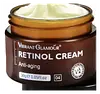
Glycerin, Aloe Barbadensis Leaf Extract, Tremella Fuciformis Polysaccharide, Butyrospermum Parkii Butter, Ascorbic Acid, Retinol, Acetyl Hexapeptide-8, Arbutin, Aminopropyl Ascorbyl Phosphate, Glycyrrhiza Glabra Root Extract, Collageneer, Trehalose, Avena Sativa Bran, Citrus Aurantium Dulcis Fruit Extract, Ceramide EOP, Paeonia Albiflora Root Extract, Tocopherol, Sodium Hyaluronate
Water
Skin ConditioningGlycerin
Humectant
Isononyl Isononanoate
EmollientPanthenol
Skin Conditioning
Niacinamide
Smoothing
Dicaprylyl Carbonate
EmollientPentylene Glycol
Skin Conditioning
Diisopropyl Sebacate
EmollientCetyl Alcohol
Emollient

PEG-40 Stearate
Emulsifying
Silica
Abrasive
Glycine Soja Oil
Emollient
Hydrolyzed Rice Protein
Skin ConditioningAdenosine
Skin Conditioning
Palmitoyl Tetrapeptide-7
Skin Conditioning
Palmitoyl Tripeptide-1
Skin Conditioning
Pentaerythrityl Tetra-Di-T-Butyl Hydroxyhydrocinnamate
Antioxidant
Sodium Hydroxide
BufferingTrisodium Ethylenediamine Disuccinate
Vitreoscilla Ferment
Skin Conditioning
Retinol
Skin Conditioning
Acrylates/C10-30 Alkyl Acrylate Crosspolymer
Emulsion StabilisingButylene Glycol
Humectant
Caprylyl Glycol
Emollient
Carbomer
Emulsion StabilisingCitric Acid
Buffering
Hydroxyethylcellulose
Emulsion StabilisingPEG-30 Dipolyhydroxystearate
Emulsifying
Polysorbate 20
Emulsifying
Sodium Lactate
Buffering
Sodium Polyacrylate Starch
AbsorbentSorbitan Tristearate
EmulsifyingTocopherol
Antioxidant
Trideceth-6
EmulsifyingCI 15985
Cosmetic ColorantPhenoxyethanol
Preservative
Parfum
Masking


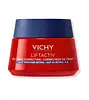
Water, Glycerin, Isononyl Isononanoate, Panthenol, Niacinamide, Dicaprylyl Carbonate, Pentylene Glycol, Diisopropyl Sebacate, Cetyl Alcohol, PEG-40 Stearate, Silica, Glycine Soja Oil, Hydrolyzed Rice Protein, Adenosine, Palmitoyl Tetrapeptide-7, Palmitoyl Tripeptide-1, Pentaerythrityl Tetra-Di-T-Butyl Hydroxyhydrocinnamate, Sodium Hydroxide, Trisodium Ethylenediamine Disuccinate, Vitreoscilla Ferment, Retinol, Acrylates/C10-30 Alkyl Acrylate Crosspolymer, Butylene Glycol, Caprylyl Glycol, Carbomer, Citric Acid, Hydroxyethylcellulose, PEG-30 Dipolyhydroxystearate, Polysorbate 20, Sodium Lactate, Sodium Polyacrylate Starch, Sorbitan Tristearate, Tocopherol, Trideceth-6, CI 15985, Phenoxyethanol, Parfum
Alternatives
Ingredients Explained
These ingredients are found in both products.
Ingredients higher up in an ingredient list are typically present in a larger amount.
Glycerin (or glycerol) is a compound naturally found in your skin. It's a powerhouse humectant that pulls water into the stratum corneum.
Topically, glycerin does several things at once:
Your skin makes glycerin on its own (mostly from sebaceous oil breakdown) and shuttles it to your outermost layer of skin, or your epidermis, via aquaporin-3.
Aquaporin-3 is a transporter that is essential for normal skin hydration, elasticity, and repair. Interestingly, mice lacking in AQP3 have dry and less elastic skin that can be fully corrected with glycerin.
This ingredient is non-irritating, plays well with almost every ingredient, and works across all skin types. Typical use is anywhere between 3-10% but can go up to 79% in some leave-on products.
Just know very high concentrations (>40%) can feel tacky in low humidity.
Glycerin is the name for this ingredient in American English. British English uses Glycerol/Glycerine.
Learn more about GlycerinRetinol is a gold-standard ingredient for anti-aging. It is a form of Vitamin A and belongs to the class of retinoids that also includes tretinoin.
Why is retinol famous?
It has the most scientific studies backing up its skin benefits out of all the non-prescription ingredients.
Retinol is proven to:
This is why retinol is effective at removing wrinkles, fading dark spots, treating acne, and reducing the appearance of pores.
Studies show retinol is less effective when exposed to UV. Be sure to look for appropriate packaging to keep your retinol potent (similar to Vitamin C).
Using retinol or any retinoids will increase sun-sensitivity in the first few months. Though studies show retinoids increase your skin's natural SPF with continuous use, it is best to always wear sunscreen and sun-protection.
We recommend speaking with a medical professional about using this ingredient during pregnancy.
Retinol may cause irritation in some people, so be sure to patch test. Experts recommend 'ramping up' retinol use: start using this ingredient once a week and work up to using it daily.
Read about Tretinoin
Learn more about RetinolTocopherol is a fat-soluble antioxidant known as Vitamin E.
You'll find this ingredient in the vast majority of skincare (for good reason). It works to neutralize free radicals, or unstable molecules generated by UV exposure, pollution, and other environmental stressors, before they can cause oxidative damage to your skin cells.
Topically applied tocopherol has been shown to protect against UV damage by ramping up the skin's own natural defense enzymes.
It also acts as a skin conditioning agent; some studies show that regular topical use can improve the skin's water-binding capacity over 2-4 weeks.
This ingredient is especially loved for being a team player. When combined with Vitamin C, the photoprotective effect of both ingredients roughly doubles and the combo also helps reduce UV-induced DNA damage.
This ingredient has some brightening potential but it's more of a prevention ingredient than spot-fader. Cell studies show it can slow down melanin production but it's worth noting that it's not the most powerful brightener out there.
In formulations, it also serves as a stabilizer that helps protect other oxidation-prone ingredients from degrading.
Concentrations usually range from 0.1-1% in most leave-on products.
Learn more about Tocopherol
