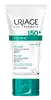
This chemical sunscreen covers the full UV range and blocks ~98% of UVB at SPF 50.
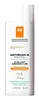
This hybrid sunscreen covers the full UV range, though its SPF isn't confirmed on file yet.

What's inside
What's inside
 Key Ingredients
Benefits
Concerns
Ingredients Side-by-side
Water
Skin ConditioningDicaprylyl Carbonate
EmollientMethylene Bis-Benzotriazolyl Tetramethylbutylphenol
UV Filter
Butyl Methoxydibenzoylmethane
UV Absorber
Ethylhexyl Triazone
UV Absorber
Nylon-12


C20-22 Alkyl Phosphate
EmulsifyingGlycerin
Humectant


C20-22 Alcohols
Emulsion Stabilising
Decyl Glucoside
Cleansing
Butylene Glycol
Humectant
Dimethicone
Emollient
Xanthan Gum
EmulsifyingChlorphenesin
Antimicrobial
Parfum
Masking




Triacontanyl Pvp
HumectantBenzoic Acid
Masking
Tetrasodium EDTA
O-Cymen-5-Ol
Antimicrobial
Tocopheryl Acetate
Antioxidant


Sodium Hydroxide
BufferingPropylene Glycol
Humectant
Citric Acid
Buffering
Glycyrrhiza Inflata Root Extract
Skin Conditioning
Water, Dicaprylyl Carbonate, Methylene Bis-Benzotriazolyl Tetramethylbutylphenol, Butyl Methoxydibenzoylmethane, Ethylhexyl Triazone, Nylon-12, C20-22 Alkyl Phosphate, Glycerin, C20-22 Alcohols, Decyl Glucoside, Butylene Glycol, Dimethicone, Xanthan Gum, Chlorphenesin, Parfum, Triacontanyl Pvp, Benzoic Acid, Tetrasodium EDTA, O-Cymen-5-Ol, Tocopheryl Acetate, Sodium Hydroxide, Propylene Glycol, Citric Acid, Glycyrrhiza Inflata Root Extract
Titanium Dioxide 6%
Cosmetic Colorant
Zinc Oxide 5%
Cosmetic Colorant
Undecane
EmollientTriethylhexanoin
MaskingIsohexadecane
EmollientNylon-12
Caprylyl Methicone
Skin Conditioning
Butyloctyl Salicylate
Skin Conditioning
Phenethyl Benzoate
Emollient
Styrene/Acrylates Copolymer
Silica
Abrasive

Tridecane
Perfuming
Dicaprylyl Carbonate
EmollientDicaprylyl Ether
Emollient
Talc
Abrasive
Dimethicone/PEG-10/15 Crosspolymer
Aluminum Stearate
Cosmetic ColorantPentylene Glycol
Skin Conditioning
PEG-9 Polydimethylsiloxyethyl Dimethicone
Emulsifying
Alumina
Abrasive
Polyhydroxystearic Acid
Emulsifying
Phenoxyethanol
Preservative
Magnesium Sulfate
Propylene Glycol
Humectant
Caprylyl Glycol
Emollient
PEG-8 Laurate
Emulsifying
Disteardimonium Hectorite
StabilisingTriethoxycaprylylsilane
Diethylhexyl Syringylidenemalonate
Skin Protecting
Tocopherol
Antioxidant

Propylene Carbonate
SolventCassia Alata Leaf Extract
AstringentMaltodextrin
Absorbent
Benzoic Acid
Masking
PEG-9
HumectantTitanium Dioxide 6%, Zinc Oxide 5%, Undecane, Triethylhexanoin, Isohexadecane, Nylon-12, Caprylyl Methicone, Butyloctyl Salicylate, Phenethyl Benzoate, Styrene/Acrylates Copolymer, Silica, Tridecane, Dicaprylyl Carbonate, Dicaprylyl Ether, Talc, Dimethicone/PEG-10/15 Crosspolymer, Aluminum Stearate, Pentylene Glycol, PEG-9 Polydimethylsiloxyethyl Dimethicone, Alumina, Polyhydroxystearic Acid, Phenoxyethanol, Magnesium Sulfate, Propylene Glycol, Caprylyl Glycol, PEG-8 Laurate, Disteardimonium Hectorite, Triethoxycaprylylsilane, Diethylhexyl Syringylidenemalonate, Tocopherol, Propylene Carbonate, Cassia Alata Leaf Extract, Maltodextrin, Benzoic Acid, PEG-9
Reviews
Ingredients Explained
These ingredients are found in both products.
Ingredients higher up in an ingredient list are typically present in a larger amount.
Benzoic Acid is an organic acid that shows up in cosmetics as a preservative. It helps keep a product from spoiling by holding back the growth of yeast, mold, and some bacteria.
This ingredient also functions as a fragrance ingredient that helps mask the unpleasant scent of other ingredients.
The way it works is worth understanding; benzoic acid works when the formula is acidic. It is able to sneak into a microbe's cell and mess up how it functions to stop it from growing in an acidic product.
However, the acid switches to an inactive form and stops working if a product isn't acidic enough (above ~5 pH). This is why you'll often see it in low pH products or teamed up with other preservatives to cover the gap.
Safety wise, it's one of the better studied preservatives out there.
The Cosmetic Ingredient Review Expert Panel has concluded this ingredient to be safe for use in cosmetic formulations at concentrations up to 5%.
A large international review found this ingredient had no effects on the human body and had low irritation potential.
Just so you know, real world use is usually much lower than the 5% ceiling (usually 1% of less).
The EU caps it at 2.5% in rinse-off products, 1.7% in oral care, and 0.5% in leave-on products.
One thing worth mentioning (it's nothing to worry about): some people get a little stinging or flushing where they apply it. This isn't a true allergy; it's a temporary and harmless reaction. This is the same kind of mild tingle you might notice from sorbic acid.
Learn more about Benzoic AcidDicaprylyl Carbonate comes from carbonic acid and caprylyl alcohol, a fatty alcohol. It is an emollient and gives skin a velvet feel. The sources of Dicaprylyl Carbonate may be synthetic or from animals.
As an emollient, Dicaprylyl Carbonate creates a film on the skin. This film traps moisture in, keeping your skin soft and hydrated.
Nylon-12 is a polymer. It is derived from 12-aminododecanoic acid, an omega-amino fatty acid
According to a manufacturer, it is a talc substitute. Like talc, nylon-12 gives products a satin feel. The manufacturer also claims this ingredients does not block pores and has moderate oil absorption.
This ingredient may not be reef-safe.
Learn more about Nylon-12Propylene Glycol is a synthetic, colorless, odorless liquid that has been a staple in cosmetics for decades. It is a skin conditioning agent, humectant, and solvent.
As a humectant, it draw water to the skin to reduce flaking and restore suppleness. It's also a solvent that helps dissolve other actives and keeps formulas stable across temperature changes.
The CIR Expert Panel has confirmed this ingredient to be nontoxic and clinical studies show no sensitization at cosmetic use concentrations.
True allergic reactions are quite rare: a 15-year retrospective study of 6,751 patients found only 0.31% had a positive reaction (and less than half were considered clinically relevant).
It seemed that when sensitization does occur, it's most commonly linked to topical medication (like corticosteroids) and not cosmetics. Allergic contact dermatitis also appears largely limited to individuals with underlying skin conditions.
Overall, propylene glycol is a well-studied ingredient that most people can tolerate without issue.
Learn more about Propylene Glycol

