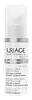
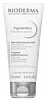
Uriage Dépiderm Anti-Brown Spot Daytime Care SPF50+ Versus Bioderma Pigmentbio Sensitive Areas Targeted Brightening Care
This brightening day moisturizer is formulated around Ascorbyl Tetraisopalmitate and Glycyrrhetinic Acid to fade the look of dark spots.

What's inside
What's inside
 Key Ingredients
Benefits
Concerns
Ingredients Side-by-side
Water
Skin ConditioningDicaprylyl Carbonate
EmollientMethylene Bis-Benzotriazolyl Tetramethylbutylphenol
UV Filter
Ethylhexyl Triazone
UV Absorber
Butyl Methoxydibenzoylmethane
UV Absorber
Dimethicone
Emollient

Diisopropyl Sebacate
EmollientPropylene Glycol Dicaprylate/Dicaprate
EmollientC12-15 Alkyl Benzoate
AntimicrobialDiisopropyl Adipate
EmollientBis-Ethylhexyloxyphenol Methoxyphenyl Triazine
Skin Conditioning
Silica
Abrasive


Triacontanyl Pvp
HumectantGlycerin
Humectant

C20-22 Alkyl Phosphate
EmulsifyingAscorbyl Tetraisopalmitate
Antioxidant




C20-22 Alcohols
Emulsion Stabilising
Decyl Glucoside
Cleansing
Maltodextrin
Absorbent
Butylene Glycol
Humectant
Glycyrrhetinic Acid
Skin Conditioning
Glucose
Humectant
Xanthan Gum
EmulsifyingCoco-Glucoside
Cleansing
Sucrose Dilaurate
Emollient
Benzoic Acid
Masking

Tetrasodium EDTA
Coconut Alcohol
Emollient
Hydrogenated Polydecene
EmollientTocopheryl Acetate
Antioxidant

O-Cymen-5-Ol
Antimicrobial
Sodium Cocoyl Glutamate
Cleansing
Trehalose
Humectant
Propylene Glycol
Humectant
Pisum Sativum Extract
Skin ConditioningCitric Acid
Buffering
Sodium Hydroxide
BufferingTocopherol
Antioxidant
Spirulina Platensis Extract
Skin ProtectingPolyquaternium-51
Skin Conditioning
Water, Dicaprylyl Carbonate, Methylene Bis-Benzotriazolyl Tetramethylbutylphenol, Ethylhexyl Triazone, Butyl Methoxydibenzoylmethane, Dimethicone, Diisopropyl Sebacate, Propylene Glycol Dicaprylate/Dicaprate, C12-15 Alkyl Benzoate, Diisopropyl Adipate, Bis-Ethylhexyloxyphenol Methoxyphenyl Triazine, Silica, Triacontanyl Pvp, Glycerin, C20-22 Alkyl Phosphate, Ascorbyl Tetraisopalmitate, C20-22 Alcohols, Decyl Glucoside, Maltodextrin, Butylene Glycol, Glycyrrhetinic Acid, Glucose, Xanthan Gum, Coco-Glucoside, Sucrose Dilaurate, Benzoic Acid, Tetrasodium EDTA, Coconut Alcohol, Hydrogenated Polydecene, Tocopheryl Acetate, O-Cymen-5-Ol, Sodium Cocoyl Glutamate, Trehalose, Propylene Glycol, Pisum Sativum Extract, Citric Acid, Sodium Hydroxide, Tocopherol, Spirulina Platensis Extract, Polyquaternium-51
Water
Skin ConditioningGlycerin
Humectant
Cetyl Alcohol
Emollient
Dimethicone
Emollient
Polymethylsilsesquioxane
Dipropylene Glycol
HumectantPropylheptyl Caprylate
EmollientCaprylic/Capric Triglyceride
Masking
Hdi/Trimethylol Hexyllactone Crosspolymer
C14-22 Alcohols
Emulsion Stabilising
Pentylene Glycol
Skin Conditioning
Carbomer
Emulsion StabilisingPolysilicone-11
Caprylyl Glycol
Emollient
1,2-Hexanediol
Skin Conditioning
Ammonium Acryloyldimethyltaurate/Vp Copolymer
Butylene Glycol
Humectant
Disodium EDTA
Lysine
Skin ConditioningC12-20 Alkyl Glucoside
EmulsifyingAzelaic Acid
Buffering



Laminaria Ochroleuca Extract
Skin Conditioning
Mannitol
Humectant
Salicylic Acid
Masking


Xylitol
Humectant
Andrographis Paniculata Leaf Extract
AstringentRhamnose
HumectantSodium Hydroxide
BufferingGlycyrrhiza Glabra Root Extract
Bleaching
Decyl Glucoside
Cleansing
Fructooligosaccharides
Humectant
Tocopherol
Antioxidant
Water, Glycerin, Cetyl Alcohol, Dimethicone, Polymethylsilsesquioxane, Dipropylene Glycol, Propylheptyl Caprylate, Caprylic/Capric Triglyceride, Hdi/Trimethylol Hexyllactone Crosspolymer, C14-22 Alcohols, Pentylene Glycol, Carbomer, Polysilicone-11, Caprylyl Glycol, 1,2-Hexanediol, Ammonium Acryloyldimethyltaurate/Vp Copolymer, Butylene Glycol, Disodium EDTA, Lysine, C12-20 Alkyl Glucoside, Azelaic Acid, Laminaria Ochroleuca Extract, Mannitol, Salicylic Acid, Xylitol, Andrographis Paniculata Leaf Extract, Rhamnose, Sodium Hydroxide, Glycyrrhiza Glabra Root Extract, Decyl Glucoside, Fructooligosaccharides, Tocopherol
Ingredients Explained
These ingredients are found in both products.
Ingredients higher up in an ingredient list are typically present in a larger amount.
Butylene Glycol (or BG) is used within cosmetic products for a few different reasons:
Overall, Butylene Glycol is a safe and well-rounded ingredient that works well with other ingredients.
Though this ingredient works well with most skin types, some people with sensitive skin may experience a reaction such as allergic rashes, closed comedones, or itchiness.
Learn more about Butylene GlycolDecyl Glucoside is a plant-derived surfactant and emulsion stabilizer. It is created by reacting glucose with the fatty acids from plants.
Like all surfactants, it works by lowering the surface tension between water and oil. This makes it so that dirt, sebum, and makeup can be lifted off your skin and rinsed away. It also produces a dense and creamy foam.
Because it has a neutral charge, it is compatible with a wide range of ingredients and stays stable across a broad pH range/water hardiness conditions.
Patch testing has shown it to have the lowest irritation potential among common cleansing surfactants (like SLS).
Typical use levels range from 5-20% in rinse-off cleansers.
One thing worth knowing: The American Contact Dermatitis Society named the parent family, alkyl glucosides, "Allergen of the Year" in 2017. The prevalence of allergy is pretty low but be sure to patch test if you've reacted to "gentle" or sulfate-free cleansers before.
This ingredient is fungal acne safe because the fatty alcohol portion of this ingredient is not within the C11-24 chain length that Malassezia can metabolize.
Learn more about Decyl GlucosideDimethicone is a type of synthetic silicone created from natural materials such as quartz. It is also known as polydimethylsiloxane.
What it does:
Dimethicone comes in different viscosities:
Depending on the viscosity, dimethicone has different properties.
Ingredients lists don't always show which type is used, so we recommend reaching out to the brand if you have questions about the viscosity.
This ingredient is unlikely to cause irritation because it does not get absorbed into skin. However, people with silicone allergies should be careful about using this ingredient.
Note: Dimethicone may contribute to pilling. This is because it is not oil or water soluble, so pilling may occur when layered with products. When mixed with heavy oils in a formula, the outcome is also quite greasy.
Learn more about DimethiconeGlycerin (or glycerol) is a compound naturally found in your skin. It's a powerhouse humectant that pulls water into the stratum corneum.
Topically, glycerin does several things at once:
Your skin makes glycerin on its own (mostly from sebaceous oil breakdown) and shuttles it to your outermost layer of skin, or your epidermis, via aquaporin-3.
Aquaporin-3 is a transporter that is essential for normal skin hydration, elasticity, and repair. Interestingly, mice lacking in AQP3 have dry and less elastic skin that can be fully corrected with glycerin.
This ingredient is non-irritating, plays well with almost every ingredient, and works across all skin types. Typical use is anywhere between 3-10% but can go up to 79% in some leave-on products.
Just know very high concentrations (>40%) can feel tacky in low humidity.
Glycerin is the name for this ingredient in American English. British English uses Glycerol/Glycerine.
Learn more about GlycerinSodium Hydroxide is also known as lye or caustic soda. It is used to adjust the pH of products; many ingredients require a specific pH to be effective.
In small amounts, sodium hydroxide is considered safe to use. However, large amounts may cause chemical burns due to its high alkaline.
Your skin has a natural pH and acid mantle. This acid mantle helps prevent harmful bacteria from breaking through. The acid mantle also helps keep your skin hydrated.
"Alkaline" refers to a high pH level. A low pH level would be considered acidic.
Learn more about Sodium HydroxideTocopherol is a fat-soluble antioxidant known as Vitamin E.
You'll find this ingredient in the vast majority of skincare (for good reason). It works to neutralize free radicals, or unstable molecules generated by UV exposure, pollution, and other environmental stressors, before they can cause oxidative damage to your skin cells.
Topically applied tocopherol has been shown to protect against UV damage by ramping up the skin's own natural defense enzymes.
It also acts as a skin conditioning agent; some studies show that regular topical use can improve the skin's water-binding capacity over 2-4 weeks.
This ingredient is especially loved for being a team player. When combined with Vitamin C, the photoprotective effect of both ingredients roughly doubles and the combo also helps reduce UV-induced DNA damage.
This ingredient has some brightening potential but it's more of a prevention ingredient than spot-fader. Cell studies show it can slow down melanin production but it's worth noting that it's not the most powerful brightener out there.
In formulations, it also serves as a stabilizer that helps protect other oxidation-prone ingredients from degrading.
Concentrations usually range from 0.1-1% in most leave-on products.
Learn more about TocopherolWater. It's the most common cosmetic ingredient of all. You'll usually see it at the top of ingredient lists, meaning that it makes up the largest part of the product.
So why is it so popular? Water most often acts as a solvent - this means that it helps dissolve other ingredients into the formulation.
You'll also recognize water as that liquid we all need to stay alive. If you see this, drink a glass of water. Remember to stay hydrated!
Learn more about Water

