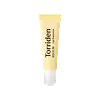
This barrier-repair lip moisturizer is formulated around Ceramide NP and Simmondsia Chinensis Seed Oil to strengthen the lip barrier and hydrate lips.
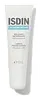
This barrier-repair lip moisturizer is formulated around Ricinus Communis Seed Oil and Rosa Canina Fruit Oil to strengthen the lip barrier and hydrate lips.


What's inside
What's inside
 Key Ingredients
Benefits
Concerns
Ingredients Side-by-side
Polyisobutene
Petrolatum
Emollient



Diisostearyl Malate
EmollientSimmondsia Chinensis Seed Oil
Emollient



Butyrospermum Parkii Butter
Skin Conditioning

Sorbitan Sesquioleate
Emulsifying
Macadamia Ternifolia Seed Oil
Emollient
Olea Europaea Fruit Oil
Masking
Adansonia Digitata Seed Oil
Emollient
Ceramide NP
Skin Conditioning



Ceramide Ns
Skin Conditioning
Ceramide As
Skin Conditioning
Ceramide EOP
Skin Conditioning
Ceramide AP
Skin Conditioning
Stearic Acid
Cleansing
Cholesterol
Emollient
Vinegar
Sodium Hyaluronate
Humectant
Panthenol
Skin Conditioning
Trehalose
Humectant
Hydrogenated Lecithin
Emulsifying
Microcrystalline Wax
Emulsion StabilisingSargassum Fusiforme Extract
Skin Protecting
Glycerin
Humectant
Butylene Glycol
Humectant
Water
Skin ConditioningCaprylic/Capric Triglyceride
Masking
1,2-Hexanediol
Skin Conditioning
Polyisobutene, Petrolatum, Diisostearyl Malate, Simmondsia Chinensis Seed Oil, Butyrospermum Parkii Butter, Sorbitan Sesquioleate, Macadamia Ternifolia Seed Oil, Olea Europaea Fruit Oil, Adansonia Digitata Seed Oil, Ceramide NP, Ceramide Ns, Ceramide As, Ceramide EOP, Ceramide AP, Stearic Acid, Cholesterol, Vinegar, Sodium Hyaluronate, Panthenol, Trehalose, Hydrogenated Lecithin, Microcrystalline Wax, Sargassum Fusiforme Extract, Glycerin, Butylene Glycol, Water, Caprylic/Capric Triglyceride, 1,2-Hexanediol
Ricinus Communis Seed Oil
Masking
Octyldodecanol
Emollient
Glyceryl Behenate
Emollient
Glyceryl Stearate
Emollient
Oryza Sativa Cera
Skin ConditioningRhus Verniciflua Peel Cera
EmollientSilica
Abrasive


Butyrospermum Parkii Butter
Skin Conditioning
Rosa Canina Fruit Oil
Emollient
Water
Skin ConditioningTocopheryl Acetate
Antioxidant


Ethylhexylglycerin
Skin ConditioningGlycerin
Humectant
Panthenol
Skin Conditioning
Parfum
Masking
Stearyl Glycyrrhetinate
Skin ConditioningTocopherol
Antioxidant
Helianthus Annuus Seed Oil
Emollient
Biosaccharide Gum-2
Skin ConditioningSodium Hyaluronate
Humectant
Citric Acid
Buffering
Ricinus Communis Seed Oil, Octyldodecanol, Glyceryl Behenate, Glyceryl Stearate, Oryza Sativa Cera, Rhus Verniciflua Peel Cera, Silica, Butyrospermum Parkii Butter, Rosa Canina Fruit Oil, Water, Tocopheryl Acetate, Ethylhexylglycerin, Glycerin, Panthenol, Parfum, Stearyl Glycyrrhetinate, Tocopherol, Helianthus Annuus Seed Oil, Biosaccharide Gum-2, Sodium Hyaluronate, Citric Acid
Reviews
Ingredients Explained
These ingredients are found in both products.
Ingredients higher up in an ingredient list are typically present in a larger amount.
This ingredient is also known as shea butter. It is a plant-derived extract from the nuts of the Africa shea tree and one of the most well-studied emollients.
Because it has a high concentration of fatty acids (primarily oleic, stearic, and linoleic) it is able to form a protective barrier on the skin's surface. This helps seal in moisture and prevents transepidermal water loss (TEWL).
In vitro research found an increase in skin hydration by 58% and a decrease in TEWL by 37.8% after 24 hours of applying this ingredient (pretty impressive for a single ingredient!).
Besides hydration, shea butter also contains triterpenes that have anti-inflammatory potential. In particule, lupeol cinnamate has shown the highest anti-inflammatory activity in vivo.
Shea butter also contains vitamins A and E which may contribute to antioxidant activity.
While Shea Butter has an SPF rating of about 3-4, it is not a sunscreen replacement.
This ingredient may not be fungal acne safe because its fatty acids fall within the C11-C24 range that the Malassezia yeast can metabolize.
This ingredient shows up on a lot of "pore-clogging" lists but there's no real evidence behind that. It doesn't even have a comedogenic rating from an actual study; the numbers you'll find online come from blogs citing other blogs.
Ratings for other ingredients mostly come from a 1980s rabbit ear test. This test doesn't translate well to human skin or to real products because the ingredient sits at a much lower percentage.
Some people still find it breaks them out. So if that's you, definitely trust your skin. Just know this one's based on experience and not evidence.
Learn more about Butyrospermum Parkii ButterGlycerin (or glycerol) is a compound naturally found in your skin. It's a powerhouse humectant that pulls water into the stratum corneum.
Topically, glycerin does several things at once:
Your skin makes glycerin on its own (mostly from sebaceous oil breakdown) and shuttles it to your outermost layer of skin, or your epidermis, via aquaporin-3.
Aquaporin-3 is a transporter that is essential for normal skin hydration, elasticity, and repair. Interestingly, mice lacking in AQP3 have dry and less elastic skin that can be fully corrected with glycerin.
This ingredient is non-irritating, plays well with almost every ingredient, and works across all skin types. Typical use is anywhere between 3-10% but can go up to 79% in some leave-on products.
Just know very high concentrations (>40%) can feel tacky in low humidity.
Glycerin is the name for this ingredient in American English. British English uses Glycerol/Glycerine.
Learn more about GlycerinPanthenol is a common ingredient that helps hydrate and soothe the skin. It is found naturally in our skin and hair.
There are two forms of panthenol: D and L.
D-panthenol is also known as dexpanthenol. Most cosmetics use dexpanthenol or a mixture of D and L-panthenol.
Panthenol is famous due to its ability to go deeper into the skin's layers. Using this ingredient has numerous pros (and no cons):
Like hyaluronic acid, panthenol is a humectant. Humectants are able to bind and hold large amounts of water to keep skin hydrated.
This ingredient works well for wound healing. It works by increasing tissue in the wound and helps close open wounds.
Once oxidized, panthenol converts to pantothenic acid. Panthothenic acid is found in all living cells.
This ingredient is also referred to as pro-vitamin B5.
Learn more about PanthenolSodium Hyaluronate is the salt form of hyaluronic acid. It is a long sugar chain that is naturally found in your skin, joints, and connective tissue that maintains hydration and elasticity.
In skincare, it works as a humectant. It pulls water from the environment and deeper layers of skin and binds it to the surface.
Interestingly, the size of the molecule affects its behavior:
Some clinical evidence links low molecular weight versions to improved wrinkle depth, elasticity, anti-inflammatory effects, and barrier repair.
Many serums use a blend of both weights so you can get surface hydration plus longer-lasting and deeper effects.
You'll typically see concentrations between 0.1-2% for this ingredient.
Learn more about Sodium HyaluronateWater. It's the most common cosmetic ingredient of all. You'll usually see it at the top of ingredient lists, meaning that it makes up the largest part of the product.
So why is it so popular? Water most often acts as a solvent - this means that it helps dissolve other ingredients into the formulation.
You'll also recognize water as that liquid we all need to stay alive. If you see this, drink a glass of water. Remember to stay hydrated!
Learn more about Water

