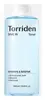
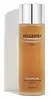
Torriden Dive In Low Molecule Hyaluronic Acid Toner Versus Miguhara Ultra Whitening First Essence Origin
This hydrating toner is formulated around Allantoin and Panthenol to hydrate skin and strengthen the skin barrier.
This brightening essence is formulated around Niacinamide and Panthenol to brighten dull-looking skin and fade the look of dark spots.

What's inside
What's inside
 Key Ingredients
Benefits
Concerns
No concerns
Ingredients Side-by-side
Water
Skin ConditioningButylene Glycol
Humectant

Dipropylene Glycol
Humectant1,2-Hexanediol
Skin Conditioning
Glycerin
Humectant
Betaine
Humectant
Allantoin
Skin Conditioning
Panthenol
Skin Conditioning
Sodium Hyaluronate Crosspolymer
Humectant
Sodium Hyaluronate
Humectant
Sodium Acetylated Hyaluronate
Humectant
Hydrolyzed Sodium Hyaluronate
Skin Conditioning
Hydrolyzed Hyaluronic Acid
Humectant
Ectoin
Skin Conditioning
Glycyrrhiza Glabra Root Extract
Bleaching

2,3-Butanediol
HumectantPortulaca Oleracea Extract
Skin Conditioning
Trehalose
Humectant
Arginine
Masking
Pentylene Glycol
Skin Conditioning
Malachite Extract
Antioxidant
Disodium EDTA
ChelatingEthylhexylglycerin
Skin ConditioningWater, Butylene Glycol, Dipropylene Glycol, 1,2-Hexanediol, Glycerin, Betaine, Allantoin, Panthenol, Sodium Hyaluronate Crosspolymer, Sodium Hyaluronate, Sodium Acetylated Hyaluronate, Hydrolyzed Sodium Hyaluronate, Hydrolyzed Hyaluronic Acid, Ectoin, Glycyrrhiza Glabra Root Extract, 2,3-Butanediol, Portulaca Oleracea Extract, Trehalose, Arginine, Pentylene Glycol, Malachite Extract, Disodium EDTA, Ethylhexylglycerin
Water
Skin ConditioningGlycerin
Humectant
1,2-Hexanediol
Skin Conditioning
Niacinamide
Smoothing




Betaine
Humectant
Butylene Glycol
Humectant
Panthenol
Skin Conditioning
Glycereth-25 PCA Isostearate
Emulsifying

Xanthan Gum
EmulsifyingDipotassium Glycyrrhizate
Humectant
Malt Extract
Skin ProtectingCitrus Paradisi Peel Oil
Masking





Sodium Hyaluronate
Humectant
Caprylic/Capric Triglyceride
Masking
Hydrolyzed Hyaluronic Acid
Humectant
Beta-Glucan
Skin Conditioning
Phellinus Linteus Extract
Skin ConditioningCaprylyl Glycol
Emollient
Citrus Aurantium Dulcis Peel Oil
Masking
Sodium Acetylated Hyaluronate
Humectant
Juniperus Mexicana Oil
Masking
Coriandrum Sativum Fruit Oil
Masking
Mentha Viridis Leaf Oil
Astringent
Lactobacillus/Rice Ferment
Skin Conditioning
Mentha Piperita Leaf Extract
Skin ConditioningMorinda Citrifolia Fruit Extract
Skin Conditioning
Prunus Mume Fruit Extract
Humectant
Adenium Obesum Leaf Cell Extract
MaskingCucumis Sativus Fruit Extract
Emollient
Centella Asiatica Extract
Cleansing
Camellia Sinensis Leaf Extract
Antimicrobial
Actinidia Chinensis Fruit Extract
EmollientAloe Arborescens Leaf Extract
MoisturisingCarum Petroselinum Extract
Skin ConditioningBrassica Oleracea Acephala Leaf Extract
HumectantAdansonia Digitata Seed Extract
Skin ConditioningMelaleuca Alternifolia Leaf Extract
Perfuming
Cynara Scolymus Leaf Extract
Skin ConditioningPhyllostachys Nigra Leaf Extract
Skin ConditioningBrassica Oleracea Gemmifera Extract
AstringentCucumis Melo Fruit Extract
Skin ConditioningCitrus Aurantifolia Fruit Extract
Skin ConditioningYeast Beta-Glucan
Skin ConditioningLaminaria Japonica Extract
Skin Protecting
Water, Glycerin, 1,2-Hexanediol, Niacinamide, Betaine, Butylene Glycol, Panthenol, Glycereth-25 PCA Isostearate, Xanthan Gum, Dipotassium Glycyrrhizate, Malt Extract, Citrus Paradisi Peel Oil, Sodium Hyaluronate, Caprylic/Capric Triglyceride, Hydrolyzed Hyaluronic Acid, Beta-Glucan, Phellinus Linteus Extract, Caprylyl Glycol, Citrus Aurantium Dulcis Peel Oil, Sodium Acetylated Hyaluronate, Juniperus Mexicana Oil, Coriandrum Sativum Fruit Oil, Mentha Viridis Leaf Oil, Lactobacillus/Rice Ferment, Mentha Piperita Leaf Extract, Morinda Citrifolia Fruit Extract, Prunus Mume Fruit Extract, Adenium Obesum Leaf Cell Extract, Cucumis Sativus Fruit Extract, Centella Asiatica Extract, Camellia Sinensis Leaf Extract, Actinidia Chinensis Fruit Extract, Aloe Arborescens Leaf Extract, Carum Petroselinum Extract, Brassica Oleracea Acephala Leaf Extract, Adansonia Digitata Seed Extract, Melaleuca Alternifolia Leaf Extract, Cynara Scolymus Leaf Extract, Phyllostachys Nigra Leaf Extract, Brassica Oleracea Gemmifera Extract, Cucumis Melo Fruit Extract, Citrus Aurantifolia Fruit Extract, Yeast Beta-Glucan, Laminaria Japonica Extract
Reviews
Ingredients Explained
These ingredients are found in both products.
Ingredients higher up in an ingredient list are typically present in a larger amount.
1,2-Hexanediol is a synthetic liquid and another multi-functional powerhouse.
It is a:
- Humectant, drawing moisture into the skin
- Emollient, helping to soften skin
- Solvent, dispersing and stabilizing formulas
- Preservative booster, enhancing the antimicrobial activity of other preservatives
Betaine is a humectant. Like hyaluronic acid, it helps attract and retain moisture in the skin. It’s known for being gentle and for helping the skin maintain balanced hydration.
Betaine is mainly used to improve hydration and support calmer skin. It helps skin cells regulate water balance because it functions as an osmolyte.
Some studies suggest betaine may support making skin tone more even.
Fun fact: Betaine naturally exists in the skin and the body. In cosmetic products, it can be either plant-derived (most commonly from sugar beets) or synthetically produced for consistency and stability.
Betaine is also known as trimethylglycine.
Learn more about BetaineButylene Glycol (or BG) is used within cosmetic products for a few different reasons:
Overall, Butylene Glycol is a safe and well-rounded ingredient that works well with other ingredients.
Though this ingredient works well with most skin types, some people with sensitive skin may experience a reaction such as allergic rashes, closed comedones, or itchiness.
Learn more about Butylene GlycolGlycerin (or glycerol) is a compound naturally found in your skin. It's a powerhouse humectant that pulls water into the stratum corneum.
Topically, glycerin does several things at once:
Your skin makes glycerin on its own (mostly from sebaceous oil breakdown) and shuttles it to your outermost layer of skin, or your epidermis, via aquaporin-3.
Aquaporin-3 is a transporter that is essential for normal skin hydration, elasticity, and repair. Interestingly, mice lacking in AQP3 have dry and less elastic skin that can be fully corrected with glycerin.
This ingredient is non-irritating, plays well with almost every ingredient, and works across all skin types. Typical use is anywhere between 3-10% but can go up to 79% in some leave-on products.
Just know very high concentrations (>40%) can feel tacky in low humidity.
Glycerin is the name for this ingredient in American English. British English uses Glycerol/Glycerine.
Learn more about GlycerinHydrolyzed Hyaluronic Acid is hyaluronic acid (HA) that is broken down into lower molecular weight fragments.
It's a humectant that pulls and holds water in the skin to help with hydration, plumpness, and reduce transepidermal water loss.
Because hydrolyzed hyaluronic acid is smaller in size, it can slip past your outermost layer of skin more easily than full-sized HA.
Most formulations will combine all sizes to get the best of both worlds.
Typical usage levels range from 0.01-1%. Any percentage higher than 2% might become goopy and tacky.
Learn more about Hydrolyzed Hyaluronic AcidPanthenol is a common ingredient that helps hydrate and soothe the skin. It is found naturally in our skin and hair.
There are two forms of panthenol: D and L.
D-panthenol is also known as dexpanthenol. Most cosmetics use dexpanthenol or a mixture of D and L-panthenol.
Panthenol is famous due to its ability to go deeper into the skin's layers. Using this ingredient has numerous pros (and no cons):
Like hyaluronic acid, panthenol is a humectant. Humectants are able to bind and hold large amounts of water to keep skin hydrated.
This ingredient works well for wound healing. It works by increasing tissue in the wound and helps close open wounds.
Once oxidized, panthenol converts to pantothenic acid. Panthothenic acid is found in all living cells.
This ingredient is also referred to as pro-vitamin B5.
Learn more about PanthenolSodium Acetylated Hyaluronate is a type of Hyaluronic Acid.
Hyaluronic Acids help moisturize, soothe, and protect the skin.
Read about common types of Hyaluronic Acid here:
Learn more about Sodium Acetylated HyaluronateSodium Hyaluronate is the salt form of hyaluronic acid. It is a long sugar chain that is naturally found in your skin, joints, and connective tissue that maintains hydration and elasticity.
In skincare, it works as a humectant. It pulls water from the environment and deeper layers of skin and binds it to the surface.
Interestingly, the size of the molecule affects its behavior:
Some clinical evidence links low molecular weight versions to improved wrinkle depth, elasticity, anti-inflammatory effects, and barrier repair.
Many serums use a blend of both weights so you can get surface hydration plus longer-lasting and deeper effects.
You'll typically see concentrations between 0.1-2% for this ingredient.
Learn more about Sodium HyaluronateWater. It's the most common cosmetic ingredient of all. You'll usually see it at the top of ingredient lists, meaning that it makes up the largest part of the product.
So why is it so popular? Water most often acts as a solvent - this means that it helps dissolve other ingredients into the formulation.
You'll also recognize water as that liquid we all need to stay alive. If you see this, drink a glass of water. Remember to stay hydrated!
Learn more about Water

