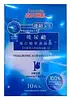
This hydrating sheet mask is formulated around Sodium Hyaluronate and Hydrolyzed Hyaluronic Acid to hydrate skin and calm redness.
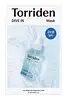
This hydrating sheet mask is formulated around Niacinamide and Sodium Hyaluronate to hydrate skin and strengthen the skin barrier.

What's inside
What's inside
 Key Ingredients
Benefits
Concerns
No concerns
Ingredients Side-by-side
Water
Skin ConditioningButylene Glycol
Humectant

Glycerin
Humectant
Dipropylene Glycol
HumectantSodium Hyaluronate Crosspolymer
Humectant
Sodium Hyaluronate
Humectant

Sodium Acetylated Hyaluronate
Humectant
Hydrolyzed Sodium Hyaluronate
Skin Conditioning
Hydrolyzed Hyaluronic Acid
Humectant
Panthenol
Skin Conditioning
Trehalose
Humectant
Allantoin
Skin Conditioning
Chamomilla Recutita Flower Extract
Masking
Calendula Officinalis Extract
Skin Conditioning
Glyceryl Acrylate/Acrylic Acid Copolymer
HumectantPvm/Ma Copolymer
Emulsion StabilisingSaccharide Isomerate
Humectant
Carbomer
Emulsion StabilisingXanthan Gum
EmulsifyingTromethamine
BufferingPentylene Glycol
Skin Conditioning
1,2-Hexanediol
Skin Conditioning
Hydroxyacetophenone
Antioxidant
Portulaca Oleracea Extract
Skin Conditioning
Malachite Extract
Antioxidant
Ethylhexylglycerin
Skin ConditioningWater, Butylene Glycol, Glycerin, Dipropylene Glycol, Sodium Hyaluronate Crosspolymer, Sodium Hyaluronate, Sodium Acetylated Hyaluronate, Hydrolyzed Sodium Hyaluronate, Hydrolyzed Hyaluronic Acid, Panthenol, Trehalose, Allantoin, Chamomilla Recutita Flower Extract, Calendula Officinalis Extract, Glyceryl Acrylate/Acrylic Acid Copolymer, Pvm/Ma Copolymer, Saccharide Isomerate, Carbomer, Xanthan Gum, Tromethamine, Pentylene Glycol, 1,2-Hexanediol, Hydroxyacetophenone, Portulaca Oleracea Extract, Malachite Extract, Ethylhexylglycerin
Water
Skin ConditioningDipropylene Glycol
HumectantIsopentyldiol
Humectant
Glycosyl Trehalose
Emulsion StabilisingHydrogenated Starch Hydrolysate
HumectantDiglycerin
Humectant
Polyglycerin-3
Humectant
PEG/PPG/Polybutylene Glycol-8/5/3 Glycerin
HumectantPPG-28-Buteth-35
Skin ConditioningOlive Oil PEG-7 Esters
Emollient




Niacinamide
Smoothing






PEG-40 Hydrogenated Castor Oil
Emulsifying
Pentylene Glycol
Skin Conditioning
Sodium PCA
Humectant
Phenoxyethanol
Preservative
Xanthan Gum
EmulsifyingMethylparaben
Preservative

Panthenol
Skin Conditioning
Sodium Hyaluronate
Humectant
Hydrolyzed Hyaluronic Acid
Humectant
Dipotassium Glycyrrhizate
Humectant
Allantoin
Skin Conditioning
Chlorphenesin
Antimicrobial
Sodium Carbomer
Emulsion StabilisingAcrylates/Vinyl Isodecanoate Crosspolymer
Emulsion StabilisingCentella Asiatica Extract
Cleansing
Pholiota Microspora Polysaccharides
EmollientCeramide NP
Skin Conditioning
Ceramide AP
Skin Conditioning
Ceramide EOP
Skin Conditioning
Saccharomyces/Coix Lacryma-Jobi Ma-Yuen Seed Ferment Filtrate
Skin Conditioning
Hydrolyzed Soybean Extract
Skin ConditioningSolanum Melongena Fruit Extract
Skin ConditioningRice Ferment Filtrate
Skin Conditioning
Luffa Cylindrica Fruit/Leaf/Stem Extract
Skin ConditioningSqualane
Emollient
Parfum
Masking


Hydrolyzed Collagen
Emollient
Water, Dipropylene Glycol, Isopentyldiol, Glycosyl Trehalose, Hydrogenated Starch Hydrolysate, Diglycerin, Polyglycerin-3, PEG/PPG/Polybutylene Glycol-8/5/3 Glycerin, PPG-28-Buteth-35, Olive Oil PEG-7 Esters, Niacinamide, PEG-40 Hydrogenated Castor Oil, Pentylene Glycol, Sodium PCA, Phenoxyethanol, Xanthan Gum, Methylparaben, Panthenol, Sodium Hyaluronate, Hydrolyzed Hyaluronic Acid, Dipotassium Glycyrrhizate, Allantoin, Chlorphenesin, Sodium Carbomer, Acrylates/Vinyl Isodecanoate Crosspolymer, Centella Asiatica Extract, Pholiota Microspora Polysaccharides, Ceramide NP, Ceramide AP, Ceramide EOP, Saccharomyces/Coix Lacryma-Jobi Ma-Yuen Seed Ferment Filtrate, Hydrolyzed Soybean Extract, Solanum Melongena Fruit Extract, Rice Ferment Filtrate, Luffa Cylindrica Fruit/Leaf/Stem Extract, Squalane, Parfum, Hydrolyzed Collagen
Reviews
Ingredients Explained
These ingredients are found in both products.
Ingredients higher up in an ingredient list are typically present in a larger amount.
Allantoin is a soothing ingredient known for its protective and moisturizing properties; it's basically a quiet workhorse ingredient you can find in a huge range of cosmetics.
Though it can be derived from the comfrey plant, allantoin is produced synthetically for cosmetic products to ensure purity.
Research shows it can encourage your skin cells to turn over and renew by stimulating keratinocyte and fibroblast proliferation.
It also has mild keratolytic properties to help loosen and shed dead skin cells without being harsh.
Studies also suggest allantoin can help calm inflammation by dialing down some of the chemical signals your skin sends out when it is irritated.
This ingredient is typically used in the 0.1-0.5% range, and the FDA recognizes it as a skin protectant in OTC products up to 2%.
Overall, allantoin is a wonderful addition to most routines; it is stable across a wide pH range (~4-8), works well with other ingredients, and is considered non-sensitizing/non-irritating.
Fun fact: Allantoin is naturally occurring in comfrey root, beets, chamomile, and wheat sprouts. Our bodies even produce it as a byproduct of uric acid metabolism.
Learn more about AllantoinDipropylene Glycol is a synthetically created humectant, stabilizer, and solvent.
This ingredient helps:
Dipropylene glycol is technically an alcohol, but it belongs to the glycol family (often considered part of the ‘good’ alcohols). This means it is hydrating and gentle on skin unlike drying solvent alcohols like denatured alcohol.
As a masking agent, Dipropylene Glycol can be used to cover the smell of other ingredients. However, it does not have a scent.
Studies show Dipropylene Glycol is considered safe to use in skincare.
Learn more about Dipropylene GlycolHydrolyzed Hyaluronic Acid is hyaluronic acid (HA) that is broken down into lower molecular weight fragments.
It's a humectant that pulls and holds water in the skin to help with hydration, plumpness, and reduce transepidermal water loss.
Because hydrolyzed hyaluronic acid is smaller in size, it can slip past your outermost layer of skin more easily than full-sized HA.
Most formulations will combine all sizes to get the best of both worlds.
Typical usage levels range from 0.01-1%. Any percentage higher than 2% might become goopy and tacky.
Learn more about Hydrolyzed Hyaluronic AcidPanthenol is a common ingredient that helps hydrate and soothe the skin. It is found naturally in our skin and hair.
There are two forms of panthenol: D and L.
D-panthenol is also known as dexpanthenol. Most cosmetics use dexpanthenol or a mixture of D and L-panthenol.
Panthenol is famous due to its ability to go deeper into the skin's layers. Using this ingredient has numerous pros (and no cons):
Like hyaluronic acid, panthenol is a humectant. Humectants are able to bind and hold large amounts of water to keep skin hydrated.
This ingredient works well for wound healing. It works by increasing tissue in the wound and helps close open wounds.
Once oxidized, panthenol converts to pantothenic acid. Panthothenic acid is found in all living cells.
This ingredient is also referred to as pro-vitamin B5.
Learn more about PanthenolPentylene Glycol (1,2-pentanediol) is a multitasking little diol with three main roles in a formula:
Research on alkanediols (the family pentylene glycol belongs to) show they work by disrupting microbial cell membranes. This disruption helps the primary preservative system in a product work more effectively at lower doses.
On the safety side, the Cosmetic Ingredient Review Expert Panel has concluded this ingredient to be safe as used in current cosmetic practices + concentrations.
Typical use levels in a formula run about 1-5%.
Learn more about Pentylene GlycolSodium Hyaluronate is the salt form of hyaluronic acid. It is a long sugar chain that is naturally found in your skin, joints, and connective tissue that maintains hydration and elasticity.
In skincare, it works as a humectant. It pulls water from the environment and deeper layers of skin and binds it to the surface.
Interestingly, the size of the molecule affects its behavior:
Some clinical evidence links low molecular weight versions to improved wrinkle depth, elasticity, anti-inflammatory effects, and barrier repair.
Many serums use a blend of both weights so you can get surface hydration plus longer-lasting and deeper effects.
You'll typically see concentrations between 0.1-2% for this ingredient.
Learn more about Sodium HyaluronateWater. It's the most common cosmetic ingredient of all. You'll usually see it at the top of ingredient lists, meaning that it makes up the largest part of the product.
So why is it so popular? Water most often acts as a solvent - this means that it helps dissolve other ingredients into the formulation.
You'll also recognize water as that liquid we all need to stay alive. If you see this, drink a glass of water. Remember to stay hydrated!
Learn more about WaterXanthan gum is used as a stabilizer and thickener within cosmetic products. It helps give products a sticky, thick feeling - preventing them from being too runny.
On the technical side of things, xanthan gum is a polysaccharide - a combination consisting of multiple sugar molecules bonded together.
Xanthan gum is a pretty common and great ingredient. It is a natural, non-toxic, non-irritating ingredient that is also commonly used in food products.
Learn more about Xanthan Gum

