Torriden Dive-In Low Molecular Hyaluronic Acid Skin Booster Versus Dojako Milk Shake Hydrating Toner & Face Mist
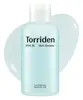
This hydrating toner is formulated around Ceramide NP and Sodium Hyaluronate to hydrate skin and strengthen the skin barrier.
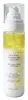
This hydrating toner is formulated around Squalane and Simmondsia Chinensis Seed Oil to hydrate skin and strengthen the skin barrier.


What's inside
What's inside
 Key Ingredients
Benefits
Concerns
Ingredients Side-by-side
Water
Skin ConditioningButylene Glycol
Humectant

Glycerin
Humectant
1,2-Hexanediol
Skin Conditioning
Caprylic/Capric Triglyceride
Masking
Malachite Extract
Antioxidant
Ceramide NP
Skin Conditioning



Phytosphingosine
Skin Conditioning
Allantoin
Skin Conditioning
Panthenol
Skin Conditioning
Sodium Hyaluronate
Humectant
Hydrolyzed Hyaluronic Acid
Humectant
Sodium Acetylated Hyaluronate
Humectant
Sodium Hyaluronate Crosspolymer
Humectant
Hydrolyzed Sodium Hyaluronate
Skin Conditioning
Trehalose
Humectant
Hamamelis Virginiana Leaf Extract
Skin Conditioning

Chamomilla Recutita Flower Extract
Masking
Glycereth-26
Humectant
Pentylene Glycol
Skin Conditioning
Glyceryl Acrylate/Acrylic Acid Copolymer
HumectantPvm/Ma Copolymer
Emulsion StabilisingC14-22 Alcohols
Emulsion Stabilising
C12-20 Alkyl Glucoside
EmulsifyingAcrylates/C10-30 Alkyl Acrylate Crosspolymer
Emulsion StabilisingXanthan Gum
EmulsifyingTromethamine
BufferingDisodium EDTA
Ethylhexylglycerin
Skin ConditioningScutellaria Baicalensis Root Extract
Astringent
Paeonia Suffruticosa Root Extract
Skin ProtectingWater, Butylene Glycol, Glycerin, 1,2-Hexanediol, Caprylic/Capric Triglyceride, Malachite Extract, Ceramide NP, Phytosphingosine, Allantoin, Panthenol, Sodium Hyaluronate, Hydrolyzed Hyaluronic Acid, Sodium Acetylated Hyaluronate, Sodium Hyaluronate Crosspolymer, Hydrolyzed Sodium Hyaluronate, Trehalose, Hamamelis Virginiana Leaf Extract, Chamomilla Recutita Flower Extract, Glycereth-26, Pentylene Glycol, Glyceryl Acrylate/Acrylic Acid Copolymer, Pvm/Ma Copolymer, C14-22 Alcohols, C12-20 Alkyl Glucoside, Acrylates/C10-30 Alkyl Acrylate Crosspolymer, Xanthan Gum, Tromethamine, Disodium EDTA, Ethylhexylglycerin, Scutellaria Baicalensis Root Extract, Paeonia Suffruticosa Root Extract
Water
Skin ConditioningSqualane
Emollient
Simmondsia Chinensis Seed Oil
Emollient


Glycereth-26
Humectant
Glycerin
Humectant
Betaine
Humectant
Borago Officinalis Seed Oil
Emollient
Sheep Milk
Skin ConditioningEuglena Gracilis Polysaccharide
Gel FormingDimethyl Isosorbide
SolventHydroxypropyl Tetrahydropyrantriol
Skin ConditioningErgothioneine
Antioxidant
Ectoin
Skin Conditioning
Propylene Glycol
Humectant
Portulaca Oleracea Extract
Skin Conditioning
Crithmum Maritimum Callus Culture Filtrate
Skin ProtectingChrysanthellum Indicum Extract
Skin Conditioning
Tremella Fuciformis Sporocarp Extract
Antioxidant
Carboxymethyl Chitosan
Gel FormingOligopeptide-1
Skin Conditioning

1,2-Hexanediol
Skin Conditioning
Hydroxyacetophenone
Antioxidant
Copper Tripeptide-1
Skin Conditioning
Houttuynia Cordata Extract
Skin Conditioning
Hydrolyzed Collagen
Emollient
Opuntia Streptacantha Stem Extract
HumectantScutellaria Baicalensis Root Extract
Astringent
Paeonia Suffruticosa Root Extract
Skin ProtectingDendrobium Nobile Extract
Skin ConditioningSodium Hyaluronate
Humectant
Aloe Barbadensis Leaf Extract
Emollient
Sophora Flavescens Root Extract
Antioxidant
Ethylbisiminomethylguaiacol Manganese Chloride
Antioxidant
Lycium Barbarum Fruit Extract
Astringent
Echinacea Purpurea Extract
MoisturisingButylene Glycol
Humectant
Polysorbate 20
Emulsifying
Acetyl Hexapeptide-8
Humectant
Dipeptide Diaminobutyroyl Benzylamide Diacetate
Skin Conditioning
Ethylhexylglycerin
Skin ConditioningWater, Squalane, Simmondsia Chinensis Seed Oil, Glycereth-26, Glycerin, Betaine, Borago Officinalis Seed Oil, Sheep Milk, Euglena Gracilis Polysaccharide, Dimethyl Isosorbide, Hydroxypropyl Tetrahydropyrantriol, Ergothioneine, Ectoin, Propylene Glycol, Portulaca Oleracea Extract, Crithmum Maritimum Callus Culture Filtrate, Chrysanthellum Indicum Extract, Tremella Fuciformis Sporocarp Extract, Carboxymethyl Chitosan, Oligopeptide-1, 1,2-Hexanediol, Hydroxyacetophenone, Copper Tripeptide-1, Houttuynia Cordata Extract, Hydrolyzed Collagen, Opuntia Streptacantha Stem Extract, Scutellaria Baicalensis Root Extract, Paeonia Suffruticosa Root Extract, Dendrobium Nobile Extract, Sodium Hyaluronate, Aloe Barbadensis Leaf Extract, Sophora Flavescens Root Extract, Ethylbisiminomethylguaiacol Manganese Chloride, Lycium Barbarum Fruit Extract, Echinacea Purpurea Extract, Butylene Glycol, Polysorbate 20, Acetyl Hexapeptide-8, Dipeptide Diaminobutyroyl Benzylamide Diacetate, Ethylhexylglycerin
Reviews
Ingredients Explained
These ingredients are found in both products.
Ingredients higher up in an ingredient list are typically present in a larger amount.
1,2-Hexanediol is a synthetic liquid and another multi-functional powerhouse.
It is a:
- Humectant, drawing moisture into the skin
- Emollient, helping to soften skin
- Solvent, dispersing and stabilizing formulas
- Preservative booster, enhancing the antimicrobial activity of other preservatives
Butylene Glycol (or BG) is used within cosmetic products for a few different reasons:
Overall, Butylene Glycol is a safe and well-rounded ingredient that works well with other ingredients.
Though this ingredient works well with most skin types, some people with sensitive skin may experience a reaction such as allergic rashes, closed comedones, or itchiness.
Learn more about Butylene GlycolEthylhexylglycerin is created from glycerin. It is a multitasker ingredient that:
The CIR Expert Panel found minimal skin absorption or sensitization of any kind in a safety assessment. Though this ingredient is considered well-tolerated, a small number of cases of allergic dermatitis have been published since 2002. Just be sure to patch test if you are unsure.
Industry-reported use ranges from 8% in rinse-off products and 2% in leave-on formulations.
Learn more about EthylhexylglycerinGlycereth-26 is a synthetic ingredient and polyethylene glycol ether of Glycerin. Glycerin is already naturally found in your skin and helps keep your skin moisturized.
It is a humectant and helps add texture to products. It can make your product thicker.
As a humectant, it helps draw moisture from the air to your skin. This helps your skin stay hydrated.
Learn more about Glycereth-26Glycerin (or glycerol) is a compound naturally found in your skin. It's a powerhouse humectant that pulls water into the stratum corneum.
Topically, glycerin does several things at once:
Your skin makes glycerin on its own (mostly from sebaceous oil breakdown) and shuttles it to your outermost layer of skin, or your epidermis, via aquaporin-3.
Aquaporin-3 is a transporter that is essential for normal skin hydration, elasticity, and repair. Interestingly, mice lacking in AQP3 have dry and less elastic skin that can be fully corrected with glycerin.
This ingredient is non-irritating, plays well with almost every ingredient, and works across all skin types. Typical use is anywhere between 3-10% but can go up to 79% in some leave-on products.
Just know very high concentrations (>40%) can feel tacky in low humidity.
Glycerin is the name for this ingredient in American English. British English uses Glycerol/Glycerine.
Learn more about GlycerinPaeonia Suffruticosa Root Extract comes Peony plant. It has anti-inflammatory and antioxidant properties.
Emerging studies also show peony root may help reduce hyperpigmentation.
Ancient Chinese medicine has used peony root to treat dark spots, but studies are looking into this claim more.
Learn more about Paeonia Suffruticosa Root ExtractScutellaria Baicalensis Root Extract comes from the Baikal skullcap or Chinese skullcap plant. This plant is native to Northeast Asia and can be found in China, Mongolia, Korea, and Siberia.
In cosmetics, Scutellaria Baicalensis Root Extract provides antioxidant and anti-inflammatory benefits. This is due to the flavonoid composition of Scutellaria Baicalensis Root Extract.
In Chinese traditional folk medicine, Scutellaria Baicalensis Root Extract is used to help treat lung issues and hypertension.
Learn more about Scutellaria Baicalensis Root ExtractSodium Hyaluronate is the salt form of hyaluronic acid. It is a long sugar chain that is naturally found in your skin, joints, and connective tissue that maintains hydration and elasticity.
In skincare, it works as a humectant. It pulls water from the environment and deeper layers of skin and binds it to the surface.
Interestingly, the size of the molecule affects its behavior:
Some clinical evidence links low molecular weight versions to improved wrinkle depth, elasticity, anti-inflammatory effects, and barrier repair.
Many serums use a blend of both weights so you can get surface hydration plus longer-lasting and deeper effects.
You'll typically see concentrations between 0.1-2% for this ingredient.
Learn more about Sodium HyaluronateWater. It's the most common cosmetic ingredient of all. You'll usually see it at the top of ingredient lists, meaning that it makes up the largest part of the product.
So why is it so popular? Water most often acts as a solvent - this means that it helps dissolve other ingredients into the formulation.
You'll also recognize water as that liquid we all need to stay alive. If you see this, drink a glass of water. Remember to stay hydrated!
Learn more about Water

