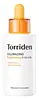
This brightening ampoule is formulated around Niacinamide and 3-O-Ethyl Ascorbic Acid to brighten dull-looking skin and fade the look of dark spots.
This brightening serum is formulated around 3-O-Ethyl Ascorbic Acid and Ascorbyl Glucoside to brighten dull-looking skin and fade the look of dark spots.


What's inside
What's inside
 Key Ingredients
Benefits
Concerns
Ingredients Side-by-side
Water
Skin ConditioningPropanediol
Solvent

Glycerin
Humectant
Niacinamide
Smoothing









3-O-Ethyl Ascorbic Acid
Skin Conditioning
1,2-Hexanediol
Skin Conditioning
Isopropyl Myristate
Emollient





Betaine
Humectant
Erythritol
Humectant
Adenosine
Skin Conditioning
Allantoin
Skin Conditioning
Tocopherol
Antioxidant

Panthenol
Skin Conditioning
Ascorbic Acid
Antioxidant
Sodium Ascorbyl Phosphate
Antioxidant
Ascorbyl Glucoside
Antioxidant
Ascorbyl Palmitate
Antioxidant
Ethylhexylglycerin
Skin ConditioningCaprylyl Glycol
Emollient
Xanthan Gum
EmulsifyingCorallina Officinalis Extract
Skin Conditioning
Ecklonia Cava Extract
Skin Conditioning
Codium Tomentosum Extract
Skin ProtectingGelidium Cartilagineum Extract
Skin ProtectingHizikia Fusiforme Extract
Skin Conditioning
Octyldodecanol
Emollient
Acrylates/C10-30 Alkyl Acrylate Crosspolymer
Emulsion StabilisingTromethamine
BufferingDisodium EDTA
ChelatingMethylpropanediol
SolventFerulic Acid
Antimicrobial
Ocimum Sanctum Leaf Extract
Skin ConditioningButylene Glycol
Humectant
Hydrogenated Lecithin
Emulsifying
Citrus Aurantium Bergamia Fruit Oil
Masking


Melia Azadirachta Leaf Extract
Skin ConditioningMelia Azadirachta Flower Extract
Skin ConditioningCurcuma Longa Root Extract
Antioxidant
Water, Propanediol, Glycerin, Niacinamide, 3-O-Ethyl Ascorbic Acid, 1,2-Hexanediol, Isopropyl Myristate, Betaine, Erythritol, Adenosine, Allantoin, Tocopherol, Panthenol, Ascorbic Acid, Sodium Ascorbyl Phosphate, Ascorbyl Glucoside, Ascorbyl Palmitate, Ethylhexylglycerin, Caprylyl Glycol, Xanthan Gum, Corallina Officinalis Extract, Ecklonia Cava Extract, Codium Tomentosum Extract, Gelidium Cartilagineum Extract, Hizikia Fusiforme Extract, Octyldodecanol, Acrylates/C10-30 Alkyl Acrylate Crosspolymer, Tromethamine, Disodium EDTA, Methylpropanediol, Ferulic Acid, Ocimum Sanctum Leaf Extract, Butylene Glycol, Hydrogenated Lecithin, Citrus Aurantium Bergamia Fruit Oil, Melia Azadirachta Leaf Extract, Melia Azadirachta Flower Extract, Curcuma Longa Root Extract
Water
Skin ConditioningGlycerin
Humectant
Butylene Glycol
Humectant
Hamamelis Virginiana Leaf Water
Astringent
Acacia Senegal Gum Extract
Xanthan Gum
EmulsifyingSodium Polyacryloyldimethyl Taurate
Emulsion Stabilising3-O-Ethyl Ascorbic Acid
Skin Conditioning
Chlorphenesin
Antimicrobial
Phenoxyethanol
Preservative
Sodium Metabisulfite
Antioxidant
Sodium Diethylenetriamine Pentamethylene Phosphonate
ChelatingSodium Gluceptate
ChelatingAscorbyl Glucoside
Antioxidant
Caprylyl 2-Glyceryl Ascorbate
Antioxidant
Biosaccharide Gum-1
Humectant
Panthenol
Skin Conditioning
Disodium EDTA
ChelatingLactobacillus/Lemon Peel Ferment Extract
Skin ConditioningSodium Hyaluronate
Humectant
Water, Glycerin, Butylene Glycol, Hamamelis Virginiana Leaf Water, Acacia Senegal Gum Extract, Xanthan Gum, Sodium Polyacryloyldimethyl Taurate, 3-O-Ethyl Ascorbic Acid, Chlorphenesin, Phenoxyethanol, Sodium Metabisulfite, Sodium Diethylenetriamine Pentamethylene Phosphonate, Sodium Gluceptate, Ascorbyl Glucoside, Caprylyl 2-Glyceryl Ascorbate, Biosaccharide Gum-1, Panthenol, Disodium EDTA, Lactobacillus/Lemon Peel Ferment Extract, Sodium Hyaluronate
Reviews
Ingredients Explained
These ingredients are found in both products.
Ingredients higher up in an ingredient list are typically present in a larger amount.
3-O-Ethyl Ascorbic Acid is one of the most popular "stable" vitamin C derivatives in skincare.
Plain ascorbic acid is fantastic but notoriously fragile; it browns, oxidizes, and loses potency fast. So attaching an ethyl group to the third carbon of the molecule gives it some cool perks:
In a formula, it does the 3 classic vitamin C jobs: it acts as an antioxidant, helps brighten skin tone by inhibiting tyrosinase, and supports collagen.
The evidence is reasonably solid for a cosmetic ingredient; Liao and colleagues (2018) showed it's significantly more stable than ascorbic acid while still being effective.
A 2021 study by Zerbinati and colleagues tested a serum with 30% 3-O-ethyl-l-ascorbic acid and 1% lactic acid significantly increased collagen production, reduced UVB-induced DNA damage, and decreased melanin on a reconstructed pigmented skin model.
Typical real world usage sits around 0.5-5% (and 1-2% is common for daily serums).
Amounts up to 30% have been shown to be non-irritating on human skin samples, but two isolated cases reported allergic contact dermatitis so a patch test is sensible if you have reactive skin.
Learn more about 3-O-Ethyl Ascorbic AcidAscorbyl Glucoside (AA-2G) is one of the most stable vitamin C derivatives out there.
It's made by attaching a glucose molecule to ascorbic acid; this glucose "cap" shields the vitamin C from air, light, heat, and metal ions that normally cause pure ascorbic acid to oxidize.
Once on your skin, the enzyme alpha-glucosidase snips off the glucose and gradually releases active ascorbic acid right where it's needed. Basically, it behaves like a slow-release pro-vitamin C with less of a stinging that high-strength ascorbic acid can cause.
The research supports the classic vitamin C benefits as well. In lab and human studies, AA-2G slowed down the skin's production of melanin (the pigment behind dark spots) and helped shield skin cells against sun damage better than ascorbyl phosphate.
These studies also showed AA-2G released vitamin C over a longer period.
A frequently cited manufacturer trial found that a 2% AA-2G face cream significantly improved wrinkle depth and skin roughness after 45 days.
And in 2009, a clinical trial showed it meaningfully lightened dark patches on the gums compared to a placebo.
There's also collagen-synthesis support (since vitamin C is a required cofactor for that) and an antioxidant effect too.
Typical usage is usually between 0.5-5% and most studies/products land around 2%.
AA-2G performs best when formulated at a mildly acidic pH (~5-7) which is much gentler than the pH that pure vitamin C demands (~2.5-3.5).
Just one thing worth knowing: the in-skin conversation rate is only about 55-60% by weight. So a 5% AA-2G product delivers roughly 2.75-3% of actual active vitamin C. On top of that, skin absorption is relatively low because the ingredient is water-soluble.
Learn more about Ascorbyl GlucosideButylene Glycol (or BG) is used within cosmetic products for a few different reasons:
Overall, Butylene Glycol is a safe and well-rounded ingredient that works well with other ingredients.
Though this ingredient works well with most skin types, some people with sensitive skin may experience a reaction such as allergic rashes, closed comedones, or itchiness.
Learn more about Butylene GlycolDisodium EDTA is a chelating agent. It grabs onto and deactivates metal ions that sneak into your products from water, packaging, or air.
This ingredient mainly works behind the scenes and helps with:
On top of that, this ingredient can counteract the effects of hard water by binding to the minerals in it.
One thing worth knowing is that Disodium EDTA has been shown to be a mild penetration enhancer. It can help other ingredients absorb into skin more effectively which can be a double-edged sword (great for actives, but can also make the active too strong if you have sensitive skin).
Clinical patch testing showed no significant skin irritation at typical use concentrations and minimal dermal absorption.
You'll most likely see this ingredient near the end of an ingredient list. It's typically found in concentrations less than 1%.
Learn more about Disodium EDTAGlycerin (or glycerol) is a compound naturally found in your skin. It's a powerhouse humectant that pulls water into the stratum corneum.
Topically, glycerin does several things at once:
Your skin makes glycerin on its own (mostly from sebaceous oil breakdown) and shuttles it to your outermost layer of skin, or your epidermis, via aquaporin-3.
Aquaporin-3 is a transporter that is essential for normal skin hydration, elasticity, and repair. Interestingly, mice lacking in AQP3 have dry and less elastic skin that can be fully corrected with glycerin.
This ingredient is non-irritating, plays well with almost every ingredient, and works across all skin types. Typical use is anywhere between 3-10% but can go up to 79% in some leave-on products.
Just know very high concentrations (>40%) can feel tacky in low humidity.
Glycerin is the name for this ingredient in American English. British English uses Glycerol/Glycerine.
Learn more about GlycerinPanthenol is a common ingredient that helps hydrate and soothe the skin. It is found naturally in our skin and hair.
There are two forms of panthenol: D and L.
D-panthenol is also known as dexpanthenol. Most cosmetics use dexpanthenol or a mixture of D and L-panthenol.
Panthenol is famous due to its ability to go deeper into the skin's layers. Using this ingredient has numerous pros (and no cons):
Like hyaluronic acid, panthenol is a humectant. Humectants are able to bind and hold large amounts of water to keep skin hydrated.
This ingredient works well for wound healing. It works by increasing tissue in the wound and helps close open wounds.
Once oxidized, panthenol converts to pantothenic acid. Panthothenic acid is found in all living cells.
This ingredient is also referred to as pro-vitamin B5.
Learn more about PanthenolWater. It's the most common cosmetic ingredient of all. You'll usually see it at the top of ingredient lists, meaning that it makes up the largest part of the product.
So why is it so popular? Water most often acts as a solvent - this means that it helps dissolve other ingredients into the formulation.
You'll also recognize water as that liquid we all need to stay alive. If you see this, drink a glass of water. Remember to stay hydrated!
Learn more about WaterXanthan gum is used as a stabilizer and thickener within cosmetic products. It helps give products a sticky, thick feeling - preventing them from being too runny.
On the technical side of things, xanthan gum is a polysaccharide - a combination consisting of multiple sugar molecules bonded together.
Xanthan gum is a pretty common and great ingredient. It is a natural, non-toxic, non-irritating ingredient that is also commonly used in food products.
Learn more about Xanthan Gum

