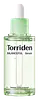
This calming serum is formulated around Panthenol and Centella Asiatica Extract to calm redness and strengthen the skin barrier.
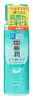
This calming toner is formulated around Dipotassium Glycyrrhizate and Houttuynia Cordata Extract to calm redness and strengthen the skin barrier.


What's inside
What's inside
 Key Ingredients
Benefits
Concerns
Ingredients Side-by-side
Water
Skin ConditioningButylene Glycol
Humectant

Glycerin
Humectant
Dipropylene Glycol
Humectant1,2-Hexanediol
Skin Conditioning
Glycereth-26
Humectant
Panthenol
Skin Conditioning

Centella Asiatica Extract
Cleansing

Madecassic Acid
Skin Conditioning
Asiaticoside
Antioxidant
Asiatic Acid
Skin Conditioning
Madecassoside
Antioxidant
Allantoin
Skin Conditioning
Swertia Japonica Extract
Skin ConditioningNymphaea Caerulea Flower Extract
Skin ConditioningLactobacillus Ferment
Skin Conditioning
Althaea Rosea Flower Extract
Skin ConditioningSodium Hyaluronate
Humectant
Hydrolyzed Hyaluronic Acid
Humectant
Hyaluronic Acid
Humectant
Hydroxypropyltrimonium Hyaluronate
Potassium Hyaluronate
Skin ConditioningSodium Hyaluronate Crosspolymer
Humectant
Sodium Acetylated Hyaluronate
Humectant
Betaine
Humectant
Capryloyl Salicylic Acid
Exfoliating




Dipeptide-2
Skin Conditioning
Dipotassium Glycyrrhizate
Humectant
Pentylene Glycol
Skin Conditioning
Sodium Stearoyl Glutamate
CleansingPropanediol
Solvent
Isopentyldiol
Humectant
Glyceryl Acrylate/Acrylic Acid Copolymer
HumectantPvm/Ma Copolymer
Emulsion StabilisingCaproic Acid
Cleansing

Polyglyceryl-4 Oleate
Emulsifying

Sodium Surfactin
CleansingCarbomer
Emulsion StabilisingXanthan Gum
EmulsifyingTromethamine
BufferingSodium Acetate
BufferingMelia Azadirachta Leaf Extract
Skin ConditioningMelia Azadirachta Flower Extract
Skin ConditioningDisodium EDTA
ChelatingEthylhexylglycerin
Skin ConditioningWater, Butylene Glycol, Glycerin, Dipropylene Glycol, 1,2-Hexanediol, Glycereth-26, Panthenol, Centella Asiatica Extract, Madecassic Acid, Asiaticoside, Asiatic Acid, Madecassoside, Allantoin, Swertia Japonica Extract, Nymphaea Caerulea Flower Extract, Lactobacillus Ferment, Althaea Rosea Flower Extract, Sodium Hyaluronate, Hydrolyzed Hyaluronic Acid, Hyaluronic Acid, Hydroxypropyltrimonium Hyaluronate, Potassium Hyaluronate, Sodium Hyaluronate Crosspolymer, Sodium Acetylated Hyaluronate, Betaine, Capryloyl Salicylic Acid, Dipeptide-2, Dipotassium Glycyrrhizate, Pentylene Glycol, Sodium Stearoyl Glutamate, Propanediol, Isopentyldiol, Glyceryl Acrylate/Acrylic Acid Copolymer, Pvm/Ma Copolymer, Caproic Acid, Polyglyceryl-4 Oleate, Sodium Surfactin, Carbomer, Xanthan Gum, Tromethamine, Sodium Acetate, Melia Azadirachta Leaf Extract, Melia Azadirachta Flower Extract, Disodium EDTA, Ethylhexylglycerin
Dipotassium Glycyrrhizate
Humectant
Aminocaproic Acid
Coix Lacryma-Jobi Ma-Yuen Seed Extract
Skin ConditioningHouttuynia Cordata Extract
Skin Conditioning
Chamomilla Recutita Flower Extract
Masking






Dipotassium Glycyrrhizate, Aminocaproic Acid, Coix Lacryma-Jobi Ma-Yuen Seed Extract, Houttuynia Cordata Extract, Chamomilla Recutita Flower Extract, Sodium Hyaluronate, Squalane, Camphor, Butylene Glycol, Triethylhexanoin, Menthol, PEG-40 Hydrogenated Castor Oil, Sorbitan Sesquioleate, Disodium EDTA, Alcohol
Reviews
Alternatives
Ingredients Explained
These ingredients are found in both products.
Ingredients higher up in an ingredient list are typically present in a larger amount.
Butylene Glycol (or BG) is used within cosmetic products for a few different reasons:
Overall, Butylene Glycol is a safe and well-rounded ingredient that works well with other ingredients.
Though this ingredient works well with most skin types, some people with sensitive skin may experience a reaction such as allergic rashes, closed comedones, or itchiness.
Learn more about Butylene GlycolDipotassium Glycyrrhizate comes from licorice root.
Extracts of licorice have demonstrated to have antibacterial, anti‐inflammatory, antiviral, antioxidant properties.
One component, glabridin, has extra potent antioxidant and soothing properties. It has also been found to block pigmentation from UVB rays in guinea pigs.
Licorice Root also contains a flavonoid. Flavonoids are a natural substance from in plants. Flavonoids also have antioxidant properties.
Another component, glycyrrhizin, has been found to have anti-inflammatory and antimicrobial benefits. This may make licorice root extract effective at treating acne. However, more research is needed to support this.
Liquiritin is one of the flavone compounds found in licorice. It has been found to help lighten skin by preventing tyrosinase from reacting with tyrosine. When the two react, protein is converted to melanin. Melanin is the substance in your body that gives your features pigmentation.
Licorice root is native to Southern Europe and Asia. It has been used in traditional Chinese medicine to help with respiratory issues.
Learn more about Dipotassium GlycyrrhizateDisodium EDTA is a chelating agent. It grabs onto and deactivates metal ions that sneak into your products from water, packaging, or air.
This ingredient mainly works behind the scenes and helps with:
On top of that, this ingredient can counteract the effects of hard water by binding to the minerals in it.
One thing worth knowing is that Disodium EDTA has been shown to be a mild penetration enhancer. It can help other ingredients absorb into skin more effectively which can be a double-edged sword (great for actives, but can also make the active too strong if you have sensitive skin).
Clinical patch testing showed no significant skin irritation at typical use concentrations and minimal dermal absorption.
You'll most likely see this ingredient near the end of an ingredient list. It's typically found in concentrations less than 1%.
Learn more about Disodium EDTASodium Hyaluronate is the salt form of hyaluronic acid. It is a long sugar chain that is naturally found in your skin, joints, and connective tissue that maintains hydration and elasticity.
In skincare, it works as a humectant. It pulls water from the environment and deeper layers of skin and binds it to the surface.
Interestingly, the size of the molecule affects its behavior:
Some clinical evidence links low molecular weight versions to improved wrinkle depth, elasticity, anti-inflammatory effects, and barrier repair.
Many serums use a blend of both weights so you can get surface hydration plus longer-lasting and deeper effects.
You'll typically see concentrations between 0.1-2% for this ingredient.
Learn more about Sodium Hyaluronate

