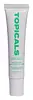
This barrier-repair lip moisturizer is formulated around Ceramide NP and Palmitoyl Tripeptide-38 to strengthen the lip barrier and hydrate lips.
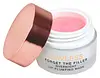
This hydrating lip mask is formulated around Butyrospermum Parkii Butter and Palmitoyl Tripeptide-1 to hydrate lips and soften the look of wrinkles.

What's inside
What's inside
 Key Ingredients
Benefits
Concerns
Ingredients Side-by-side
Hydrogenated Polyisobutene
EmollientEthylene/Propylene/Styrene Copolymer
Butylene/Ethylene/Styrene Copolymer
Oryza Sativa Bran Wax
Skin Conditioning


Ceramide NP
Skin Conditioning




Ceramide AP
Skin Conditioning
Ceramide EOP
Skin Conditioning
Palmitoyl Tripeptide-38
Skin Conditioning

Sodium Hyaluronate
Humectant
Hydrolyzed Sodium Hyaluronate
Skin Conditioning
Tocopheryl Acetate
Antioxidant


Ergothioneine
Antioxidant
Glycerin
Humectant
Phytosphingosine
Skin Conditioning
Cholesterol
Emollient
Portulaca Pilosa Extract
Skin ConditioningSucrose Cocoate
Emulsifying


Panthenol
Skin Conditioning
Sodium Lauroyl Lactylate
EmulsifyingCarbomer
Emulsion StabilisingXanthan Gum
EmulsifyingCetearyl Ethylhexanoate
Emollient
Sorbitan Isostearate
Emulsifying
Mentha Arvensis Leaf Oil
Masking

Mentha Piperita Flower/Leaf/Stem Oil
Skin Conditioning
Water
Skin ConditioningHydrogenated Polyisobutene, Ethylene/Propylene/Styrene Copolymer, Butylene/Ethylene/Styrene Copolymer, Oryza Sativa Bran Wax, Ceramide NP, Ceramide AP, Ceramide EOP, Palmitoyl Tripeptide-38, Sodium Hyaluronate, Hydrolyzed Sodium Hyaluronate, Tocopheryl Acetate, Ergothioneine, Glycerin, Phytosphingosine, Cholesterol, Portulaca Pilosa Extract, Sucrose Cocoate, Panthenol, Sodium Lauroyl Lactylate, Carbomer, Xanthan Gum, Cetearyl Ethylhexanoate, Sorbitan Isostearate, Mentha Arvensis Leaf Oil, Mentha Piperita Flower/Leaf/Stem Oil, Water
Hydrogenated Polyisobutene
EmollientHydrogenated Poly(C6-14 Olefin)
EmollientCaprylic/Capric Triglyceride
Masking
Butyrospermum Parkii Butter
Skin Conditioning

Ethylene/Propylene/Styrene Copolymer
Synthetic Candelilla Wax
EmollientSynthetic Wax
Abrasive
1,2-Hexanediol
Skin Conditioning
Tribehenin
Emollient
Ethylhexyl Palmitate
Emollient
Glyceryl Caprylate
EmollientMenthoxypropanediol
Masking
Butylene/Ethylene/Styrene Copolymer
Caprylyl Glycol
Emollient
Aroma


Pentaerythrityl Tetra-Di-T-Butyl Hydroxyhydrocinnamate
Antioxidant
Prunus Amygdalus Dulcis Oil
Skin Conditioning
Rosa Canina Fruit Oil
Emollient
Sorbitan Isostearate
Emulsifying
Water
Skin ConditioningButylene Glycol
Humectant
Zingiber Officinale Root Extract
Masking
BHT
Antioxidant
Palmitoyl Tripeptide-1
Skin Conditioning
Polyglyceryl-2 Triisostearate
Emulsifying
Aluminum Hydroxide
EmollientCeramide NP
Skin Conditioning
Sodium Hyaluronate
Humectant
Euterpe Oleracea Fruit Extract
Fragaria Chiloensis Fruit Extract
Skin Conditioning
Hydroxypropyltrimonium Hyaluronate
Lycium Chinense Fruit Extract
Antioxidant
Morus Nigra Fruit Extract
Skin ConditioningRibes Nigrum Fruit Extract
Astringent
Rubus Fruticosus Fruit Extract
AstringentRubus Idaeus Fruit Extract
AstringentVaccinium Angustifolium Fruit Extract
Skin Protecting
Vaccinium Macrocarpon Fruit Extract
AstringentVaccinium Myrtillus Fruit Extract
Skin ConditioningHydrolyzed Hyaluronic Acid
Humectant
Sodium Acetylated Hyaluronate
Humectant
Hyaluronic Acid
Humectant
Hydrolyzed Sodium Hyaluronate
Skin Conditioning
Sodium Hyaluronate Crosspolymer
Humectant
Potassium Hyaluronate
Skin ConditioningLactic Acid
Buffering


Citric Acid
Buffering
CI 15850
Cosmetic ColorantCI 15985
Cosmetic ColorantHydrogenated Polyisobutene, Hydrogenated Poly(C6-14 Olefin), Caprylic/Capric Triglyceride, Butyrospermum Parkii Butter, Ethylene/Propylene/Styrene Copolymer, Synthetic Candelilla Wax, Synthetic Wax, 1,2-Hexanediol, Tribehenin, Ethylhexyl Palmitate, Glyceryl Caprylate, Menthoxypropanediol, Butylene/Ethylene/Styrene Copolymer, Caprylyl Glycol, Aroma, Pentaerythrityl Tetra-Di-T-Butyl Hydroxyhydrocinnamate, Prunus Amygdalus Dulcis Oil, Rosa Canina Fruit Oil, Sorbitan Isostearate, Water, Butylene Glycol, Zingiber Officinale Root Extract, BHT, Palmitoyl Tripeptide-1, Polyglyceryl-2 Triisostearate, Aluminum Hydroxide, Ceramide NP, Sodium Hyaluronate, Euterpe Oleracea Fruit Extract, Fragaria Chiloensis Fruit Extract, Hydroxypropyltrimonium Hyaluronate, Lycium Chinense Fruit Extract, Morus Nigra Fruit Extract, Ribes Nigrum Fruit Extract, Rubus Fruticosus Fruit Extract, Rubus Idaeus Fruit Extract, Vaccinium Angustifolium Fruit Extract, Vaccinium Macrocarpon Fruit Extract, Vaccinium Myrtillus Fruit Extract, Hydrolyzed Hyaluronic Acid, Sodium Acetylated Hyaluronate, Hyaluronic Acid, Hydrolyzed Sodium Hyaluronate, Sodium Hyaluronate Crosspolymer, Potassium Hyaluronate, Lactic Acid, Citric Acid, CI 15850, CI 15985
Reviews
Ingredients Explained
These ingredients are found in both products.
Ingredients higher up in an ingredient list are typically present in a larger amount.
This ingredient is a high-molecular weight synthetic polymer. It is used to modify the viscosity of a formula, improve slip, and create a more "cushiony" texture.
Due to its large molecular size, this ingredient is not absorbed into the skin.
Ceramide NP (formerly known as Ceramide 3) is one of the skin's naturally occurring lipids.
Since ceramides are the major lipid components of the skin, they are crucial for maintaining skin barrier and hydration. Ceramide NP most closely mirrors the dominant kind in human skin amongst ceramide subtypes.
This ceramide works by slotting into gaps within the stratum corneum's lipid matrix to limit trans-epidermal water loss (TEWL) and shield the skin against external irritants.
A study with 312 patients found that using a ceramide-containing routine for 4 weeks reduced the severity of atopic dermatitis by over 61%.
Another clinical study in subjects aged 60 and older found that a ceramide body wash and moisturizer improved skin dryness and itchy skin in 15 days.
Overall, ceramides are considered non-irritating and safety tests have found little to no observable adverse effects from using this ingredient.
Ceramide NP is usually sourced from plants (like soybean or rice bran), or produced synthetically.
Learn more about Ceramide NPThis is a synthetic polymer used to thicken formulas, improve texture, and enhance spreadability.
Due to its large molecule size, this ingredient does not penetrate the skin and is considered well-tolerated.
Hydrogenated Polyisobutene is a synthetic polymer. Polymers are compounds with high molecular weight. Hydrogenated Polyisobutene is an emollient and texture enhancer.
In one study, Hydrogenated Polyisobutene showed better skin hydration levels than Caprylic/Capric Triglyceride. As an emollient, it helps keep your skin soft and hydrated by trapping moisture in.
Hydrogenated Polyisobutene is often used as a mineral oil replacement.
Learn more about Hydrogenated PolyisobuteneThis ingredient is created by putting sodium hyaluronate through hydrolysis.
You might know this as 'mini' or 'ultra low-molecular weight' hyaluronic acid. The small molecule size means it is able to travel deeper in the skin.
According to studies, low molecular-weight hyaluronic acid can:
One study from 2011 found ultra-low weight HA to show pro-inflammatory properties. Another study from 2022 found it to downregulate UV-B induced inflammation.
Hydrolysis is a process of changing a molecule using water or enzymes.
This ingredient is water-soluble.
Learn more about Hydrolyzed Sodium HyaluronateSodium Hyaluronate is the salt form of hyaluronic acid. It is a long sugar chain that is naturally found in your skin, joints, and connective tissue that maintains hydration and elasticity.
In skincare, it works as a humectant. It pulls water from the environment and deeper layers of skin and binds it to the surface.
Interestingly, the size of the molecule affects its behavior:
Some clinical evidence links low molecular weight versions to improved wrinkle depth, elasticity, anti-inflammatory effects, and barrier repair.
Many serums use a blend of both weights so you can get surface hydration plus longer-lasting and deeper effects.
You'll typically see concentrations between 0.1-2% for this ingredient.
Learn more about Sodium HyaluronateSorbitan Isostearate is an emulsifer. It is created from isostearic acid and sorbitol.
As an emulsifier, it keeps the water and oil ingredients from separating. This keeps formulas stable and smooth.
In a 24 hour occlusive patch test on 56 subjects, 10% sorbitan isostearate was completely non-irritating. Most formulas use less than 10%.
Because it's a fatty acid ester, it may not be fungal acne safe since the Malassezia yeast can utilize it as a nutrient source.
Learn more about Sorbitan IsostearateWater. It's the most common cosmetic ingredient of all. You'll usually see it at the top of ingredient lists, meaning that it makes up the largest part of the product.
So why is it so popular? Water most often acts as a solvent - this means that it helps dissolve other ingredients into the formulation.
You'll also recognize water as that liquid we all need to stay alive. If you see this, drink a glass of water. Remember to stay hydrated!
Learn more about Water

