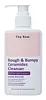
This salicylic acid gel cleanser is formulated around Salicylic Acid to clear breakouts and unclog pores.


What's inside
What's inside
 Key Ingredients
Benefits
Concerns
Ingredients Side-by-side
Water
Skin ConditioningSodium Laureth Sulfate
Cleansing



Propylene Glycol
Humectant

Cocamidopropyl Betaine
Cleansing
Disodium Laureth Sulfosuccinate
CleansingGlycerin
Humectant

Hydroxyethylcellulose
Emulsion StabilisingNiacinamide 1%
Smoothing









Ceramide EOP
Skin Conditioning
Ceramide Ns
Skin Conditioning
Ceramide NP
Skin Conditioning
Ceramide As
Skin Conditioning
Ceramide AP
Skin Conditioning
Hydrolyzed Centella Asiatica Extract
Antioxidant
Polygonum Cuspidatum Root Extract
Antioxidant
Scutellaria Baicalensis Root Extract
Astringent
Camellia Sinensis Leaf Extract
Antimicrobial
Glycyrrhiza Glabra Root Extract
Bleaching
Chamomilla Recutita Flower Extract
Masking
Rosmarinus Officinalis Leaf Extract
AntimicrobialAlpha-Glucan Oligosaccharide
Cleansing
Dipotassium Glycyrrhizate
Humectant
Hyaluronic Acid
Humectant
Panthenol
Skin Conditioning
1,2-Butanediol
HumectantCaprylyl Glycol
Emollient
Butylene Glycol
Humectant
Cholesterol
Emollient
Hydrogenated Lecithin
Emulsifying
Glyceryl Stearate
Emollient
Dipropylene Glycol
HumectantHydroxyacetophenone
Antioxidant
Salicylic Acid 0.5%
Masking

Lactic Acid
Buffering
Tetrasodium EDTA
ChelatingMethylchloroisothiazolinone
Preservative
Methylisothiazolinone
Preservative
Water, Sodium Laureth Sulfate, Propylene Glycol, Cocamidopropyl Betaine, Disodium Laureth Sulfosuccinate, Glycerin, Hydroxyethylcellulose, Niacinamide 1%, Ceramide EOP, Ceramide Ns, Ceramide NP, Ceramide As, Ceramide AP, Hydrolyzed Centella Asiatica Extract, Polygonum Cuspidatum Root Extract, Scutellaria Baicalensis Root Extract, Camellia Sinensis Leaf Extract, Glycyrrhiza Glabra Root Extract, Chamomilla Recutita Flower Extract, Rosmarinus Officinalis Leaf Extract, Alpha-Glucan Oligosaccharide, Dipotassium Glycyrrhizate, Hyaluronic Acid, Panthenol, 1,2-Butanediol, Caprylyl Glycol, Butylene Glycol, Cholesterol, Hydrogenated Lecithin, Glyceryl Stearate, Dipropylene Glycol, Hydroxyacetophenone, Salicylic Acid 0.5%, Lactic Acid, Tetrasodium EDTA, Methylchloroisothiazolinone, Methylisothiazolinone
Water
Skin ConditioningButylene Glycol
Humectant
Sodium Myristoyl Glutamate
CleansingSorbitol
Humectant
Sodium Methyl Cocoyl Taurate
Cleansing
Sodium Lauroyl Glutamate
SurfactantCocamide DEA
Emulsifying
Myristic Acid
Cleansing
Glyceryl Stearate
Emollient
Sodium Chloride
MaskingLauric Acid
Cleansing
PEG-40 Hydrogenated Castor Oil
Emulsifying
Polyglyceryl-2 Isostearate
Emulsifying
Polyquaternium-7
Methylparaben
Preservative

Sodium Acetylated Hyaluronate
Humectant
Hydroxypropyltrimonium Hyaluronate
Water, Butylene Glycol, Sodium Myristoyl Glutamate, Sorbitol, Sodium Methyl Cocoyl Taurate, Sodium Lauroyl Glutamate, Cocamide DEA, Myristic Acid, Glyceryl Stearate, Sodium Chloride, Lauric Acid, PEG-40 Hydrogenated Castor Oil, Polyglyceryl-2 Isostearate, Polyquaternium-7, Methylparaben, Sodium Acetylated Hyaluronate, Hydroxypropyltrimonium Hyaluronate
Reviews
Ingredients Explained
These ingredients are found in both products.
Ingredients higher up in an ingredient list are typically present in a larger amount.
Butylene Glycol (or BG) is used within cosmetic products for a few different reasons:
Overall, Butylene Glycol is a safe and well-rounded ingredient that works well with other ingredients.
Though this ingredient works well with most skin types, some people with sensitive skin may experience a reaction such as allergic rashes, closed comedones, or itchiness.
Learn more about Butylene GlycolGlyceryl Stearate is made by reacting glycerin with stearic acid (typically sourced from plant oils like palm or coconut). It's an emulsifier, emollient, and mild occlusive.
Emulsifiers help ingredients like oil and water stay mixed so your formula stays nicely blended and uniform in texture.
This ingredient is typically used in concentrations between 1-10%. Studies have found it to be non-sensitizing, non-phototoxic, and non-photoallergenic.
A close cousin of this ingredient is Glyceryl Stearate SE ("self-emulsifying"). This just has a small amount of sodium or potassium stearate added so it can emulsify without a co-emulsifier.
Since this ingredient is an ester of a C18 fatty acid, it may not be fungal acne safe. The Malassezia yeast can potentially metabolize within the C11-C24 range.
Fun fact: The human body also creates Glyceryl Stearate naturally.
Learn more about Glyceryl StearateWater. It's the most common cosmetic ingredient of all. You'll usually see it at the top of ingredient lists, meaning that it makes up the largest part of the product.
So why is it so popular? Water most often acts as a solvent - this means that it helps dissolve other ingredients into the formulation.
You'll also recognize water as that liquid we all need to stay alive. If you see this, drink a glass of water. Remember to stay hydrated!
Learn more about Water

