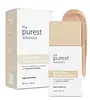
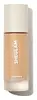
The Purest Solutions Hydra Glow Serum Foundation SPF 50+ Versus SHEGLAM Skinfinite Hydrating Foundation


What's inside
What's inside
 Key Ingredients
Benefits
Concerns
Ingredients Side-by-side
Water
Skin ConditioningIsododecane
EmollientTitanium Dioxide
Cosmetic Colorant

Caprylyl Methicone
Skin Conditioning
Glycerin
Humectant


Phenyl Trimethicone
Skin Conditioning
Dimethicone
Emollient
Zinc Oxide
Cosmetic Colorant
Trimethylsiloxysilicate
Emollient
Polymethylsilsesquioxane
Mica
Cosmetic ColorantCetyl PEG/PPG-10/1 Dimethicone
Emulsifying
Isohexadecane
EmollientPEG-10 Dimethicone
Skin Conditioning
Dimethicone/Vinyl Dimethicone Crosspolymer
Skin Conditioning
Sodium Chloride
MaskingMagnesium Sulfate
CI 77492
Cosmetic ColorantPhenethyl Alcohol
MaskingTriethoxycaprylylsilane
Disteardimonium Hectorite
StabilisingSqualane
Emollient
Caprylyl Glycol
Emollient
Synthetic Fluorphlogopite
CI 77491
Cosmetic ColorantCetyl Alcohol
Emollient


Propylene Carbonate
SolventSilica
Abrasive

Butylene Glycol
Humectant
Lauroyl Lysine
Skin Conditioning
CI 77499
Cosmetic ColorantPentylene Glycol
Skin Conditioning
Carbomer
Emulsion StabilisingSodium Acetylated Hyaluronate
Humectant
Sodium Hyaluronate
Humectant
Tin Oxide
Abrasive
Polysorbate 20
Emulsifying
Sodium Carrageenan
Emulsion StabilisingSodium Hyaluronate Crosspolymer
Humectant
Hydrolyzed Sodium Hyaluronate
Skin Conditioning
Ethylhexylglycerin
Skin ConditioningSea Salt
Abrasive
Palmitoyl Tripeptide-1
Skin Conditioning

Palmitoyl Tetrapeptide-7
Skin Conditioning
Water, Isododecane, Titanium Dioxide, Caprylyl Methicone, Glycerin, Phenyl Trimethicone, Dimethicone, Zinc Oxide, Trimethylsiloxysilicate, Polymethylsilsesquioxane, Mica, Cetyl PEG/PPG-10/1 Dimethicone, Isohexadecane, PEG-10 Dimethicone, Dimethicone/Vinyl Dimethicone Crosspolymer, Sodium Chloride, Magnesium Sulfate, CI 77492, Phenethyl Alcohol, Triethoxycaprylylsilane, Disteardimonium Hectorite, Squalane, Caprylyl Glycol, Synthetic Fluorphlogopite, CI 77491, Cetyl Alcohol, Propylene Carbonate, Silica, Butylene Glycol, Lauroyl Lysine, CI 77499, Pentylene Glycol, Carbomer, Sodium Acetylated Hyaluronate, Sodium Hyaluronate, Tin Oxide, Polysorbate 20, Sodium Carrageenan, Sodium Hyaluronate Crosspolymer, Hydrolyzed Sodium Hyaluronate, Ethylhexylglycerin, Sea Salt, Palmitoyl Tripeptide-1, Palmitoyl Tetrapeptide-7
Water
Skin ConditioningCyclopentasiloxane
Emollient
Glycerin
Humectant
Isododecane
EmollientTrimethylsiloxysilicate
Emollient
Phenyl Trimethicone
Skin Conditioning
Butylene Glycol
Humectant
Cetyl PEG/PPG-10/1 Dimethicone
Emulsifying
Tridecyl Trimellitate
EmollientCaprylic/Capric Triglyceride
Masking
Ethylhexyl Palmitate
Emollient


Polymethylsilsesquioxane
Pentylene Glycol
Skin Conditioning
Mica
Cosmetic ColorantSorbitan Sesquioleate
Emulsifying
Disteardimonium Hectorite
StabilisingMagnesium Sulfate
Phenoxyethanol
Preservative
Tribehenin
Emollient
Triethoxycaprylylsilane
Stearic Acid
Cleansing
Alumina
Abrasive
Ethylhexylglycerin
Skin ConditioningCI 77891
Cosmetic ColorantCI 77492
Cosmetic ColorantWater, Cyclopentasiloxane, Glycerin, Isododecane, Trimethylsiloxysilicate, Phenyl Trimethicone, Butylene Glycol, Cetyl PEG/PPG-10/1 Dimethicone, Tridecyl Trimellitate, Caprylic/Capric Triglyceride, Ethylhexyl Palmitate, Polymethylsilsesquioxane, Pentylene Glycol, Mica, Sorbitan Sesquioleate, Disteardimonium Hectorite, Magnesium Sulfate, Phenoxyethanol, Tribehenin, Triethoxycaprylylsilane, Stearic Acid, Alumina, Ethylhexylglycerin, CI 77891, CI 77492
Ingredients Explained
These ingredients are found in both products.
Ingredients higher up in an ingredient list are typically present in a larger amount.
Butylene Glycol (or BG) is used within cosmetic products for a few different reasons:
Overall, Butylene Glycol is a safe and well-rounded ingredient that works well with other ingredients.
Though this ingredient works well with most skin types, some people with sensitive skin may experience a reaction such as allergic rashes, closed comedones, or itchiness.
Learn more about Butylene GlycolThis ingredient is a silicone-based emulsifer that helps the water and oil phases play nicely together.
It's pretty effective because one end of the molecule loves oil and the other one loves water.
Besides holding formulas together, it also leaves a silky and lightweight feel on skin without the greasiness. A manufacturer also claims it can help with the controlled release of active ingredients.
The CIR Expert Panel found this ingredient to not be sensitizing in concentrations up to 15% in human maximazation testing and dimethicone-based compounds were not comedogenic.
It has a high molecular weight well above 1,000 g/mol which means it limits meaningful skin penetration.
A 2019 study specifically tested this ingredient and found no observable Malassezia growth in its presence.
Learn more about Cetyl PEG/PPG-10/1 DimethiconeCI 77492 is also hydrated iron III oxide. It's sole purpose is to give a yellow hue to products.
Iron III oxides are classified as inorganic chemicals for coloring.
Synthetically created CI 77492 is considered safer than those naturally found. This is because the synthetically created version may contain less impurities. Iron oxides are generally non-toxic and non-allergenic.
Learn more about CI 77492Disteardimonium Hectorite comes from the clay mineral named hectorite. It is used to add thickness to a product.
It can also help stabilize a product by helping to disperse other ingredients.
Hectorite is a rare, white clay mineral.
Learn more about Disteardimonium HectoriteEthylhexylglycerin is created from glycerin. It is a multitasker ingredient that:
The CIR Expert Panel found minimal skin absorption or sensitization of any kind in a safety assessment. Though this ingredient is considered well-tolerated, a small number of cases of allergic dermatitis have been published since 2002. Just be sure to patch test if you are unsure.
Industry-reported use ranges from 8% in rinse-off products and 2% in leave-on formulations.
Learn more about EthylhexylglycerinGlycerin (or glycerol) is a compound naturally found in your skin. It's a powerhouse humectant that pulls water into the stratum corneum.
Topically, glycerin does several things at once:
Your skin makes glycerin on its own (mostly from sebaceous oil breakdown) and shuttles it to your outermost layer of skin, or your epidermis, via aquaporin-3.
Aquaporin-3 is a transporter that is essential for normal skin hydration, elasticity, and repair. Interestingly, mice lacking in AQP3 have dry and less elastic skin that can be fully corrected with glycerin.
This ingredient is non-irritating, plays well with almost every ingredient, and works across all skin types. Typical use is anywhere between 3-10% but can go up to 79% in some leave-on products.
Just know very high concentrations (>40%) can feel tacky in low humidity.
Glycerin is the name for this ingredient in American English. British English uses Glycerol/Glycerine.
Learn more about GlycerinIsododecane is a fragrance, emollient, and solvent.
As an emollient, it helps your skin stay soft and hydrated. Emollients help trap moisture into your skin.
Isododecane's role as a solvent makes it a great texture enhancer. It spreads smoothly on skin and does not leave a sticky feeling behind. Isododecane also helps prevent color transfer in makeup products.
Isododecane is not absorbed into skin.
The chemical name for this ingredient is 2,2,4,6,6-PENTAMETHYLHEPTANE.
Learn more about IsododecaneMagnesium Sulfate is a salt. More specifically, it is an epsom salt, or the bath salt used to help relieve muscle aches.
Despite having ‘sulfate’ in the name, it isn’t a surfactant or cleansing agent like sodium lauryl sulfate. Unlike those sulfates, magnesium sulfate doesn’t have the same cleansing or foaming properties (it's simply a type of salt).
In cosmetics, Magnesium Sulfate is used to thicken a product or help dilute other solids. It is a non-reactive and non-irritating ingredient.
One study shows magnesium deficiency may lead to inflammation of the skin. Applying magnesium topically may help reduce inflammation.
You can find this ingredient in sea water or mineral deposits.
Learn more about Magnesium SulfateMica is a naturally occurring mineral used to add shimmer and color in cosmetics. It can also help improve the texture of a product or give it an opaque, white/silver color.
Serecite is the name for very fine but ragged grains of mica.
This ingredient is often coated with metal oxides like titanium dioxide. Trace amounts of heavy metals may be found in mica, but these metals are not harmful in our personal products.
Mica has been used since prehistoric times throughout the world. Ancient Egyptian, Indian, Greek, Roman, Aztec, and Chinese civilizations have used mica.
Learn more about MicaPentylene Glycol (1,2-pentanediol) is a multitasking little diol with three main roles in a formula:
Research on alkanediols (the family pentylene glycol belongs to) show they work by disrupting microbial cell membranes. This disruption helps the primary preservative system in a product work more effectively at lower doses.
On the safety side, the Cosmetic Ingredient Review Expert Panel has concluded this ingredient to be safe as used in current cosmetic practices + concentrations.
Typical use levels in a formula run about 1-5%.
Learn more about Pentylene GlycolPhenyl Trimethicone is a silicon-based polymer. It is derived from silica.
Phenyl Trimethicone is used as an emollient and prevents products from foaming.
As an emollient, it helps trap moisture in the skin. It is considered an occlusive.
Learn more about Phenyl TrimethiconePolymethylsilsesquioxane is a silicone used as a film forming agent.
When applied to the skin, this ingredient creates an invisible film on the surface. This film still allows oxygen to pass through, but prevents moisture from escaping. This can help condition and hydrate the skin. It also leaves a silky feel when applied.
Polymethylsilsesquioxane has not been shown to clog pores. It has been deemed safe to use up to 55%, but most cosmetics use much less.
If you have concerns about using this ingredient, we recommend speaking with a professional.
Learn more about PolymethylsilsesquioxaneTriethoxycaprylylsilane is a silicon-based surface modifier that makes sunscreens feel silky and makeup stay put.
Its main job is to coat mineral particles like titanium dioxide, zinc oxide, and color pigments in a thin, oily layer so they spread smoothly, don't clump, and stick to skin better.
This ingredient is typically used at low levels (up to 2.5% in eyeshadow and 1% in lipstick).
Learn more about TriethoxycaprylylsilaneThis silicone is an emollient. Emollients create a thin film on the skin to prevent moisture from escaping.
It is not soluble in water and helps increase water-resistance in products.
According to a manufacturer, it can blend seamlessly with silicone oils, such as Cyclopentasiloxane.
Learn more about TrimethylsiloxysilicateWater. It's the most common cosmetic ingredient of all. You'll usually see it at the top of ingredient lists, meaning that it makes up the largest part of the product.
So why is it so popular? Water most often acts as a solvent - this means that it helps dissolve other ingredients into the formulation.
You'll also recognize water as that liquid we all need to stay alive. If you see this, drink a glass of water. Remember to stay hydrated!
Learn more about Water

