This anti-aging emulsion is formulated around Retinal and Ergothioneine to soften the look of wrinkles and refine skin texture.
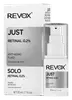
This anti-aging serum is formulated around Niacinamide and Retinal to soften the look of wrinkles and refine skin texture.


What's inside
What's inside
 Key Ingredients
Benefits
Concerns
Ingredients Side-by-side
Water
Skin ConditioningCoco-Caprylate/Caprate
Emollient
Propanediol
Solvent

Pentylene Glycol
Skin Conditioning
Hydroxyapatite
Abrasive

Retinal
Skin Conditioning









Cetylhydroxyproline Palmitamide
Skin Conditioning4-T-Butylcyclohexanol
Masking



Hydroxyphenyl Propamidobenzoic Acid
Skin ConditioningErgothioneine
Antioxidant
Biosaccharide Gum-1
Humectant
Bisabolol
Antioxidant
Brassica Campestris Sterols
EmollientZingiber Officinale Root Extract
Masking
Butylene Glycol
Humectant
Isohexadecane
EmollientHexyldecanol
Emollient
Maltodextrin
Absorbent
Caesalpinia Spinosa Gum
Skin ConditioningPolyacrylate Crosspolymer-6
Emulsion StabilisingHydroxyethyl Acrylate/Sodium Acryloyldimethyl Taurate Copolymer
Emulsion StabilisingStearic Acid
Cleansing

Isoceteth-20
EmulsifyingPolysorbate 60
Emulsifying
Ascorbyl Palmitate
Antioxidant
Tocopherol
Antioxidant
Lactic Acid
Buffering

Sodium Lactate
Buffering
Sodium Hydroxide
BufferingEthylhexylglycerin
Skin ConditioningPhenoxyethanol
Preservative
Chlorphenesin
Antimicrobial
Water, Coco-Caprylate/Caprate, Propanediol, Pentylene Glycol, Hydroxyapatite, Retinal, Cetylhydroxyproline Palmitamide, 4-T-Butylcyclohexanol, Hydroxyphenyl Propamidobenzoic Acid, Ergothioneine, Biosaccharide Gum-1, Bisabolol, Brassica Campestris Sterols, Zingiber Officinale Root Extract, Butylene Glycol, Isohexadecane, Hexyldecanol, Maltodextrin, Caesalpinia Spinosa Gum, Polyacrylate Crosspolymer-6, Hydroxyethyl Acrylate/Sodium Acryloyldimethyl Taurate Copolymer, Stearic Acid, Isoceteth-20, Polysorbate 60, Ascorbyl Palmitate, Tocopherol, Lactic Acid, Sodium Lactate, Sodium Hydroxide, Ethylhexylglycerin, Phenoxyethanol, Chlorphenesin
Water
Skin ConditioningGlycerin
Humectant
Cetearyl Alcohol
Emollient
Caprylic/Capric Triglyceride
Masking
Glyceryl Stearate
Emollient
Niacinamide
Smoothing
Ceteareth-20
Cleansing
Ceteareth-12
EmulsifyingPEG-100 Stearate
Surfactant
Panthenol
Skin Conditioning
Isohexadecane
EmollientBetaine
Humectant
Inulin
Skin Conditioning
Alpha-Glucan Oligosaccharide
Cleansing
Allantoin
Skin Conditioning
Retinal
Skin Conditioning
Cetyl Palmitate
Emollient
Hydroxyethyl Acrylate/Sodium Acryloyldimethyl Taurate Copolymer
Emulsion StabilisingPhenoxyethanol
Preservative
Hydrolyzed Hyaluronic Acid
Humectant
Ubiquinone
Antioxidant
Tocopheryl Acetate
Antioxidant
Bisabolol
Antioxidant
Disodium EDTA
ChelatingBHT
Antioxidant
Water, Glycerin, Cetearyl Alcohol, Caprylic/Capric Triglyceride, Glyceryl Stearate, Niacinamide, Ceteareth-20, Ceteareth-12, PEG-100 Stearate, Panthenol, Isohexadecane, Betaine, Inulin, Alpha-Glucan Oligosaccharide, Allantoin, Retinal, Cetyl Palmitate, Hydroxyethyl Acrylate/Sodium Acryloyldimethyl Taurate Copolymer, Phenoxyethanol, Hydrolyzed Hyaluronic Acid, Ubiquinone, Tocopheryl Acetate, Bisabolol, Disodium EDTA, BHT
Reviews
Alternatives
Ingredients Explained
These ingredients are found in both products.
Ingredients higher up in an ingredient list are typically present in a larger amount.
Bisabolol is a gentle skin conditioner, antioxidant, and soothing ingredient.
It's primary claim to fame is soothing and research shows topically applied bisabolol can quiet the chemical messengers that cause your skin to become inflamed, helping to sooth any irritation.
A clinical study found that applying 0.5% bisabolol daily for 8 weeks produced an average 9% decrease in skin pigmentation. Researchers found it can also suppress the process that leads to excess melanin production in skin.
In vitro studies found that bisabolol combined with propylene glycol significantly increased skin permeability by increasing lipid fluidity in the stratum corneum.
You'll likely see use concentrations quite low, usually 0.1-0.2%.
Overall, this is a well-tolerated ingredient that works well in formulas designed for sensitive, reactive, or post-procedure skin.
Learn more about BisabololThis is a synthetic polymer. It helps improve the texture of products by adding thickness and gel-like feel.
It is also an emulsifer, meaning it prevents ingredients such as oil and water from separating. It also helps evenly disperse other ingredients.
Isohexadecane is added to enhance texture, emulsify, and to help cleanse. It is an isoparrafin. It is a component of petrolatum.
Due to its large size, Isohexadecane is not absorbed by the skin. Instead, it sits on top and acts as an emollient. Emollients help keep your skin soft and smooth by trapping moisture within.
Isohexadecane is often used in products designed to help oily skin. It is lightweight and non-greasy while helping to moisturize. When mixed with silicones, it gives a product a silky feel.
Learn more about IsohexadecanePhenoxyethanol is one of the most widely used preservatives in skincare (and for good reason!).
It has a large spectrum of antimicrobial activity and especially effective bacteria, yeast, and mold while only having a weak effect on your skin's natural microbiome.
On a cellular level, it disrupts the cell membranes of microbes by poking holes that make the cell leak. This shuts down the chemical reactions the microbe needs to make energy so it can no longer survive.
Another perk of this ingredient is that it stays functional across a wide pH range (3-10).
You'll often see it paired with boosters like Ethylhexylglycerin; one study showed that a 1:9 ratio of Ethylhexylglycerin to Phenoxyethanol damages bacterial membranes as effectively as doubling the Phenoxyethanol concentration on its own.
Typical use concentrations range from 0.3-1% depending on the formula, and this ingredient is capped at 1% int the EU.
Safety-wise, the fear mongering does not hold up to the evidence. The EU's Scientific Committee on Consumer Safety and FDA consider it safe as a preservative at up to 1%, including for children of all ages.
Adverse systemic effects only showed up in animal studies at exposures roughly 200x higher than what people get from cosmetics. And despite its very widespread use, this ingredient is a rare sensitizer and allergic reactions are uncommon.
Learn more about PhenoxyethanolRetinal (aka retinaldehyde) is a form of retinoid that formulators use mainly as an antiaging and skin-renewing active.
What makes it special is its position in the retinoid family; skin converts it to retinoic acid (the prescription gold standard) in just one step.
Because retinal only requires 1 conversion step to become retinoic acid, it's the strongest over-the-counter retinoid. It also works at lower concentrations than retinol, since retinal is about 10x more bioavailable.
Studies back up its efficacy in skin:
A foundational trial showed that applying 0.05-0.5% retinal for 1-3 months produced a dose-dependent and significant increase in epidermal thickness + cell turnover markers.
And a head-to-head comparison of 0.05% retinal against a 0.05% retinoid acid found both formulations were effective for the basis of wrinkle/skin roughness features, but retinoic acid caused more local irritation.
More recent controlled trials confirm it improves wrinkles, dermal density, and firmness over 12-24 weeks, with significant improvements in skin texture and firmness (particularly with the higher 0.1% concentration).
Retinal also has one trick the other retinoids do not: it directly fights against acne bacteria since a clinical study showed retinaldehyde-treated areas displayed a significant decrease in counts of viable P. acnes.
This makes it a great pick for people who want to treat aging and breakouts.
Typical cosmetic use sits in the 0.05-0.1% range with 0.05% being the gentle starting point and 0.1% giving stronger results.
Like all retinoids, retinal works best with nightly use, a good moisturizer, and daytime sunscreen. It can cause some irritation so ease into it slowly rather than going all in.
The "ramp up" method works well: start with Retinal once a week to give your skin time to adjust, which keeps irritation low.
Slowly add more nights until you reach your goal frequency once your skin feels comfortable.
Retinoids also make your skin more sensitive to the sun in the first few weeks, so wear sunscreen every morning and protect your skin from direct sun while you build up tolerance.
Learn more about RetinalWater. It's the most common cosmetic ingredient of all. You'll usually see it at the top of ingredient lists, meaning that it makes up the largest part of the product.
So why is it so popular? Water most often acts as a solvent - this means that it helps dissolve other ingredients into the formulation.
You'll also recognize water as that liquid we all need to stay alive. If you see this, drink a glass of water. Remember to stay hydrated!
Learn more about Water

