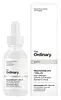
This oil-control serum is formulated around Niacinamide and Zinc PCA to balance excess oil and refine the look of pores.
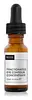
This anti-aging eye moisturizer is formulated around Niacinamide and Dipeptide Diaminobutyroyl Benzylamide Diacetate to soften the look of wrinkles and fade the look of dark spots.

What's inside
What's inside
 Key Ingredients
Benefits
Concerns
No concerns
Ingredients Side-by-side
Water
Skin ConditioningGlycerin
Humectant


Butylene Glycol
Humectant
Propanediol
Solvent
Hydrolyzed Yeast Extract
Skin ConditioningAlbizia Julibrissin Bark Extract
MaskingNiacinamide
Smoothing









Dipeptide Diaminobutyroyl Benzylamide Diacetate
Skin Conditioning
Palmitoyl Tripeptide-38
Skin Conditioning
Acetyl Hexapeptide-8
Humectant
Acetyl Tetrapeptide-5
Humectant
Decapeptide-22
Skin Conditioning
Oligopeptide-78
Skin Conditioning
Palmitoyl Decapeptide-21
Skin Conditioning
Palmitoyl Hexapeptide-52
Skin Conditioning
Zinc Palmitoyl Nonapeptide-14
Skin Conditioning
Palmitoyl Tetrapeptide-50
Skin Conditioning
Pentapeptide-18
Skin Conditioning
Acetyl Hexapeptide-30
Skin Conditioning
Heptapeptide-15 Palmitate
Skin Conditioning
Palmitoyl Heptapeptide-18
Skin Conditioning
S-Mu-Conotoxin Cniiic Acetate
Skin ConditioningSodium Hyaluronate
Humectant
Darutoside
Skin ConditioningEpigallocatechin Gallatyl Glucoside
Antioxidant
Gallyl Glucoside
Antioxidant
Ascorbyl Glucoside
Antioxidant
Zinc PCA
Humectant
Methylglucoside Phosphate
Skin ConditioningDisodium Acetyl Glucosamine Phosphate
Skin ConditioningCopper Lysinate/Prolinate
Skin ConditioningHydroxypropyl Cyclodextrin
MaskingSuperoxide Dismutase
Antioxidant
Escin
TonicAscorbic Acid
Antioxidant
Ammonium Glycyrrhizate
MaskingPolyglucuronic Acid
Skin ConditioningAscophyllum Nodosum Extract
Skin Conditioning

Asparagopsis Armata Extract
Skin Protecting
Fraxinus Excelsior Bark Extract
Skin ConditioningOlea Europaea Leaf Extract
Perfuming
Polypodium Vulgare Rhizome Extract
HumectantCetraria Islandica Thallus Extract
HumectantSphagnum Magellanicum Extract
Skin ConditioningRuscus Aculeatus Root Extract
Astringent
Centella Asiatica Extract
Cleansing
Calendula Officinalis Flower Extract
Masking
Arginine
Masking
Panthenol
Skin Conditioning
Hydrolyzed Rice Protein
Skin ConditioningGlycine Soja Protein
EmulsifyingHydrolyzed Wheat Protein
Skin ConditioningHydrolyzed Yeast Protein
Skin ConditioningLecithin
Emollient
Polyacrylate Crosspolymer-6
Emulsion StabilisingXanthan Gum
EmulsifyingCetyl Hydroxyethylcellulose
Emulsion StabilisingSilanetriol
Sodium Dextran Sulfate
Gel FormingSorbitol
Humectant
Pentylene Glycol
Skin Conditioning
Dimethyl Isosorbide
SolventCitric Acid
Buffering

Glycolic Acid
Buffering

Lactic Acid
Buffering
Lactic Acid/Glycolic Acid Copolymer
Skin ConditioningPPG-26-Buteth-26
Skin ConditioningPolyvinyl Alcohol
PEG-40 Hydrogenated Castor Oil
Emulsifying

Propyl Gallate
Antioxidant
Potassium Sorbate
Preservative
Caprylyl Glycol
Emollient
Glyceryl Caprylate
EmollientEthylhexylglycerin
Skin ConditioningSodium Benzoate
Masking
Benzyl Alcohol
Perfuming

Phenylpropanol
Masking
Dehydroacetic Acid
Preservative
Phenoxyethanol
Preservative
Chlorphenesin
Antimicrobial
Water, Glycerin, Butylene Glycol, Propanediol, Hydrolyzed Yeast Extract, Albizia Julibrissin Bark Extract, Niacinamide, Dipeptide Diaminobutyroyl Benzylamide Diacetate, Palmitoyl Tripeptide-38, Acetyl Hexapeptide-8, Acetyl Tetrapeptide-5, Decapeptide-22, Oligopeptide-78, Palmitoyl Decapeptide-21, Palmitoyl Hexapeptide-52, Zinc Palmitoyl Nonapeptide-14, Palmitoyl Tetrapeptide-50, Pentapeptide-18, Acetyl Hexapeptide-30, Heptapeptide-15 Palmitate, Palmitoyl Heptapeptide-18, S-Mu-Conotoxin Cniiic Acetate, Sodium Hyaluronate, Darutoside, Epigallocatechin Gallatyl Glucoside, Gallyl Glucoside, Ascorbyl Glucoside, Zinc PCA, Methylglucoside Phosphate, Disodium Acetyl Glucosamine Phosphate, Copper Lysinate/Prolinate, Hydroxypropyl Cyclodextrin, Superoxide Dismutase, Escin, Ascorbic Acid, Ammonium Glycyrrhizate, Polyglucuronic Acid, Ascophyllum Nodosum Extract, Asparagopsis Armata Extract, Fraxinus Excelsior Bark Extract, Olea Europaea Leaf Extract, Polypodium Vulgare Rhizome Extract, Cetraria Islandica Thallus Extract, Sphagnum Magellanicum Extract, Ruscus Aculeatus Root Extract, Centella Asiatica Extract, Calendula Officinalis Flower Extract, Arginine, Panthenol, Hydrolyzed Rice Protein, Glycine Soja Protein, Hydrolyzed Wheat Protein, Hydrolyzed Yeast Protein, Lecithin, Polyacrylate Crosspolymer-6, Xanthan Gum, Cetyl Hydroxyethylcellulose, Silanetriol, Sodium Dextran Sulfate, Sorbitol, Pentylene Glycol, Dimethyl Isosorbide, Citric Acid, Glycolic Acid, Lactic Acid, Lactic Acid/Glycolic Acid Copolymer, PPG-26-Buteth-26, Polyvinyl Alcohol, PEG-40 Hydrogenated Castor Oil, Propyl Gallate, Potassium Sorbate, Caprylyl Glycol, Glyceryl Caprylate, Ethylhexylglycerin, Sodium Benzoate, Benzyl Alcohol, Phenylpropanol, Dehydroacetic Acid, Phenoxyethanol, Chlorphenesin
Reviews
Ingredients Explained
These ingredients are found in both products.
Ingredients higher up in an ingredient list are typically present in a larger amount.
Chlorphenesin is a synthetic preservative. It helps protect a product against bacteria in order to extend shelf life. In most cases, Chlorphenesin is paired with other preservatives such as phenoxyethanol and caprylyl glycol.
Chlorphenesin is a biocide. This means it is able to help fight the microorganisms on our skin. It is also able to fight odor-releasing bacteria.
Chlorphenesin is soluble in both water and glycerin.
Studies show Chlorphenesin is easily absorbed by our skin. You should speak with a skincare professional if you have concerns about using Chlorphenesin.
Learn more about ChlorphenesinDimethyl Isosorbide (often shortened to DMI) is a sugar-derived solvent made from sorbitol. It's used to dissolve tricky ingredients and help them mix smoothly into a formula.
Many actives sit as gritty crystals when undissolved, so DMI swoops in to full dissolve them. This helps improve texture, stability, and how evenly an active is distributed.
It does have a penetration-enhancing reputation that is a bit more nuanced than marketing suggests; a cell study on human skin found that 10% DMI didn't significantly boost the permeation of Hydroquinone, Salicylic Acid, or Octadecenedioic Acid compared to controls (though it did improve their solubility in the formula itself).
Typical usage concentrations usually range from 1-10% depending on the formula's needs; this ingredient is also well tolerated at these levels.
Learn more about Dimethyl IsosorbideNiacinamide is a multitasking form of vitamin B3 that strengthens the skin barrier, reduces pores and dark spots, regulates oil, and improves signs of aging.
And the best part? It's gentle and well-tolerated by most skin types, including sensitive and reactive skin.
You might have heard of "niacin flush", or the reddening of skin that causes itchiness. Niacinamide has not been found to cause this.
In very rare cases, some individuals may not be able to tolerate niacinamide at all or experience an allergic reaction to it.
If you are experiencing flaking, irritation, and dryness with this ingredient, be sure to double check all your products as this ingredient can be found in all categories of skincare.
When incorporating niacinamide into your routine, look out for concentration amounts. Typically, 5% niacinamide provides benefits such as fading dark spots. However, if you have sensitive skin, it is better to begin with a smaller concentration.
When you apply niacinamide to your skin, your body converts it into nicotinamide adenine dinucleotide (NAD). NAD is an essential coenzyme that is already found in your cells as "fuel" and powers countless biological processes.
In your skin, NAD helps repair cell damage, produce new healthy cells, support collagen production, strengthen the skin barrier, and fight environmental stressors (like UV and pollution).
Our natural NAD levels start to decline with age, leading to slower skin repair, visible aging, and a weaker skin barrier. By providing your skin niacinamide, you're recharging your skin's NAD levels. This leads to stronger, healthier, and younger looking skin.
Another name for vitamin B3 is nicotinamide. This vitamin is water-soluble and our bodies don't store it. We obtain Vitamin B3 from either food or skincare. Meat, fish, wheat, yeast, and leafy greens contain vitamin B3.
The type of niacinamide used in skincare is synthetically created.
Learn more about NiacinamidePentylene Glycol (1,2-pentanediol) is a multitasking little diol with three main roles in a formula:
Research on alkanediols (the family pentylene glycol belongs to) show they work by disrupting microbial cell membranes. This disruption helps the primary preservative system in a product work more effectively at lower doses.
On the safety side, the Cosmetic Ingredient Review Expert Panel has concluded this ingredient to be safe as used in current cosmetic practices + concentrations.
Typical use levels in a formula run about 1-5%.
Learn more about Pentylene GlycolPhenoxyethanol is one of the most widely used preservatives in skincare (and for good reason!).
It has a large spectrum of antimicrobial activity and especially effective bacteria, yeast, and mold while only having a weak effect on your skin's natural microbiome.
On a cellular level, it disrupts the cell membranes of microbes by poking holes that make the cell leak. This shuts down the chemical reactions the microbe needs to make energy so it can no longer survive.
Another perk of this ingredient is that it stays functional across a wide pH range (3-10).
You'll often see it paired with boosters like Ethylhexylglycerin; one study showed that a 1:9 ratio of Ethylhexylglycerin to Phenoxyethanol damages bacterial membranes as effectively as doubling the Phenoxyethanol concentration on its own.
Typical use concentrations range from 0.3-1% depending on the formula, and this ingredient is capped at 1% int the EU.
Safety-wise, the fear mongering does not hold up to the evidence. The EU's Scientific Committee on Consumer Safety and FDA consider it safe as a preservative at up to 1%, including for children of all ages.
Adverse systemic effects only showed up in animal studies at exposures roughly 200x higher than what people get from cosmetics. And despite its very widespread use, this ingredient is a rare sensitizer and allergic reactions are uncommon.
Learn more about PhenoxyethanolWater. It's the most common cosmetic ingredient of all. You'll usually see it at the top of ingredient lists, meaning that it makes up the largest part of the product.
So why is it so popular? Water most often acts as a solvent - this means that it helps dissolve other ingredients into the formulation.
You'll also recognize water as that liquid we all need to stay alive. If you see this, drink a glass of water. Remember to stay hydrated!
Learn more about WaterXanthan gum is used as a stabilizer and thickener within cosmetic products. It helps give products a sticky, thick feeling - preventing them from being too runny.
On the technical side of things, xanthan gum is a polysaccharide - a combination consisting of multiple sugar molecules bonded together.
Xanthan gum is a pretty common and great ingredient. It is a natural, non-toxic, non-irritating ingredient that is also commonly used in food products.
Learn more about Xanthan GumZinc PCA is a clever two-in-one molecule: the zinc salt of pyrrolidone carboxylic acid (PCA).
Think of it as two useful things bonded together; the PCA half is one of your skin's own natural moisturizing factors (NMF) so it helps hold water in the upper layers. On the other hand, the zinc half does the heavy lifting on oil and bacteria.
The zinc part slows down an enzyme that turns testosterone into DHT, the hormone that tells your oil glands to pump out more sebum. Less of that signal means less oil. It also gently fights acne-causing bacteria and soothes redness/irritation.
This is why Zinc PCA often shows up in products for oily, breakout-prone skin and greasy scalps.
One lab study also hinted it might have a small anti-aging perk because it seemed to protect collagen from UVA damage and even helped the skin make a bit more of it. That last bit is still early research done in a dish and not real skin, so take it as a nice bonus rather than a promise for now.
As for scar healing, the picture is more "maybe" than a firm yes. Zinc itself plays a real role in wound repair because it is a cofactor for the enzymes involved in collagen building, calming inflammation, and helping new skin cells cover a wound. Lower zinc levels are also linked to slower healing.
Most of the scar healing research is on zinc oxide or oral zinc rather than zinc PCA specifically, with a focus on healing fresh wounds instead of scars that are already there.
Direct evidence that zinc PCA improves the look of established scars is still limited at this time. Though it would be fair to say zinc PCA supports the general skin-repair environment thanks to its zinc content .
This ingredient is water-soluble and plays nicely with other actives like niacinamide and salicylic acid. It works best at mildly acidic formulas (~4-6 pH) and is effective at low levels. Around 0.1% is enough to be active and finished products commonly use it anywhere up to 4%.
Overall, this is a well-tolerated, low-drama multitasker that suits oily and acne-prone skin.
Learn more about Zinc PCA

