The Ordinary Multi-Peptide Lash And Brow Serum Versus Grande Cosmetics GrandeLASH-MD Lash Enhancing Serum
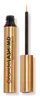
This hydrating lash & brow serum is formulated around Panthenol and Magnesium Ascorbyl Phosphate to hydrate skin and calm redness.


What's inside
What's inside
 Key Ingredients
Benefits
Concerns
Ingredients Side-by-side
Water
Skin ConditioningGlycerin
Humectant


Butylene Glycol
Humectant
Myristoyl Pentapeptide-17
Skin Conditioning
Biotinoyl Tripeptide-1
Oligopeptide-2
Skin Conditioning
Acetyl Tetrapeptide-3
Skin Protecting
Caffeine
Skin Conditioning

Panthenol
Skin Conditioning
Arginine
Masking
Glycine
Buffering
Glycoproteins
Skin Conditioning
Larix Europaea Wood Extract
HumectantTrifolium Pratense Flower Extract
AstringentCamellia Sinensis Leaf Extract
Antimicrobial



Dextran
Maltodextrin
Absorbent
Zinc Chloride
AntimicrobialHydroxyethylcellulose
Emulsion StabilisingXanthan Gum
EmulsifyingTrisodium Ethylenediamine Disuccinate
ChelatingPolysorbate 20
Emulsifying

Sodium Metabisulfite
Antioxidant
Caprylyl Glycol
Emollient
1,2-Hexanediol
Skin Conditioning
Sodium Benzoate
Masking
Benzoic Acid
Masking
Ethylhexylglycerin
Skin ConditioningPhenoxyethanol
Preservative
Chlorphenesin
Antimicrobial
Water, Glycerin, Butylene Glycol, Myristoyl Pentapeptide-17, Biotinoyl Tripeptide-1, Oligopeptide-2, Acetyl Tetrapeptide-3, Caffeine, Panthenol, Arginine, Glycine, Glycoproteins, Larix Europaea Wood Extract, Trifolium Pratense Flower Extract, Camellia Sinensis Leaf Extract, Dextran, Maltodextrin, Zinc Chloride, Hydroxyethylcellulose, Xanthan Gum, Trisodium Ethylenediamine Disuccinate, Polysorbate 20, Sodium Metabisulfite, Caprylyl Glycol, 1,2-Hexanediol, Sodium Benzoate, Benzoic Acid, Ethylhexylglycerin, Phenoxyethanol, Chlorphenesin
Water
Skin ConditioningPanthenol
Skin Conditioning
Glycerin
Humectant
Sodium Citrate
BufferingLeuconostoc/Radish Root Ferment Filtrate
Antimicrobial
Alanine
Masking
Alcohol
Antimicrobial


Aloe Barbadensis Leaf Juice
Skin Conditioning
Arctostaphylos Uva Ursi Leaf Extract
Skin Conditioning
Arginine
Masking
Aspartic Acid
Masking
Calcium Gluconate
HumectantCaprylyl Glycol
Emollient
Chamomilla Recutita Flower Extract
Masking
Ethylhexylglycerin
Skin ConditioningGluconolactone
Chelating


Glycine
Buffering
Hexylene Glycol
EmulsifyingHistidine
Humectant
Honey Extract
Humectant
Hydrolyzed Glycosaminoglycans
HumectantHydrolyzed Yeast Extract
Skin ConditioningHydroxyethylcellulose
Emulsion StabilisingIsoleucine
Skin ConditioningIsopropyl Cloprostenate
Magnesium Ascorbyl Phosphate
Antioxidant
Panax Ginseng Root Extract
Emollient
PCA
Humectant
Phenylalanine
Masking
Polysorbate 20
Emulsifying
Proline
Skin Conditioning
Propylene Glycol
Humectant
Serine
Masking
Sodium Hyaluronate
Humectant
Sodium Lactate
Buffering
Sodium PCA
Humectant
Threonine
Tocopheryl Acetate
Antioxidant
Triethanolamine
BufferingTussilago Farfara Leaf Extract
AstringentValine
MaskingVitis Vinifera Seed Extract
Antimicrobial
Phenoxyethanol
Preservative
Sodium Benzoate
Masking
Sodium Metabisulfite
Antioxidant
Water, Panthenol, Glycerin, Sodium Citrate, Leuconostoc/Radish Root Ferment Filtrate, Alanine, Alcohol, Aloe Barbadensis Leaf Juice, Arctostaphylos Uva Ursi Leaf Extract, Arginine, Aspartic Acid, Calcium Gluconate, Caprylyl Glycol, Chamomilla Recutita Flower Extract, Ethylhexylglycerin, Gluconolactone, Glycine, Hexylene Glycol, Histidine, Honey Extract, Hydrolyzed Glycosaminoglycans, Hydrolyzed Yeast Extract, Hydroxyethylcellulose, Isoleucine, Isopropyl Cloprostenate, Magnesium Ascorbyl Phosphate, Panax Ginseng Root Extract, PCA, Phenylalanine, Polysorbate 20, Proline, Propylene Glycol, Serine, Sodium Hyaluronate, Sodium Lactate, Sodium PCA, Threonine, Tocopheryl Acetate, Triethanolamine, Tussilago Farfara Leaf Extract, Valine, Vitis Vinifera Seed Extract, Phenoxyethanol, Sodium Benzoate, Sodium Metabisulfite
Reviews
Ingredients Explained
These ingredients are found in both products.
Ingredients higher up in an ingredient list are typically present in a larger amount.
Arginine is a semi-essential amino acid. This just means our bodies can product a bit on its own, but sometimes needs a little boost from food sources.
It is a part of your skin's natural moisturizing factor (NMF), or the water-loving molecules in your outermost layer of skin (stratum corneum) that keeps everything hydrated and happy.
Here's an interesting thing about Arginine: your skin converts it into urea through the Krebs-Henseleit urea cycle. Urea is one of the most effective humectants your skin naturally produces.
A clinical study showed applying 2.5% arginine hydrochloride to atopic dermatitis skin showed significant urea levels in the stratum corneum and improved moisture in just four weeks.
Arginine is also a precursor to nitric oxide; nitric oxide improves microcirculation and supports wound healing and collagen synthesis.
One study found that an amino acid complex containing Arginine reduced skin irritation, improved hydration, and accelerated skin repair in clinical / in-vivo studies.
Arginine itself is an amino acid and not a fatty acid, oil, or ester. On its own, it's not a direct food source for Malassezia, or the yeast that causes fungal acne.
Learn more about ArginineCaprylyl Glycol is a humectant, skin conditioner, emollient, and preservative booster derived from either caprylic acid or synthetically created.
Typical use levels vary from 0.3-1% as a preservative booster and go up to 2% to condition skin.
Because it is not a free-fatty acid, this ingredient is fungal acne safe (there's nothing for Malassezia to feed on).
Learn more about Caprylyl GlycolEthylhexylglycerin is created from glycerin. It is a multitasker ingredient that:
The CIR Expert Panel found minimal skin absorption or sensitization of any kind in a safety assessment. Though this ingredient is considered well-tolerated, a small number of cases of allergic dermatitis have been published since 2002. Just be sure to patch test if you are unsure.
Industry-reported use ranges from 8% in rinse-off products and 2% in leave-on formulations.
Learn more about EthylhexylglycerinGlycerin (or glycerol) is a compound naturally found in your skin. It's a powerhouse humectant that pulls water into the stratum corneum.
Topically, glycerin does several things at once:
Your skin makes glycerin on its own (mostly from sebaceous oil breakdown) and shuttles it to your outermost layer of skin, or your epidermis, via aquaporin-3.
Aquaporin-3 is a transporter that is essential for normal skin hydration, elasticity, and repair. Interestingly, mice lacking in AQP3 have dry and less elastic skin that can be fully corrected with glycerin.
This ingredient is non-irritating, plays well with almost every ingredient, and works across all skin types. Typical use is anywhere between 3-10% but can go up to 79% in some leave-on products.
Just know very high concentrations (>40%) can feel tacky in low humidity.
Glycerin is the name for this ingredient in American English. British English uses Glycerol/Glycerine.
Learn more about GlycerinGlycine is the smallest amino acid and a key building block of collagen. It's part if your skin's Natural Moisturizing Factor (NMF), or the water-loving molecules in your outermost layer of skin (stratum corneum) that keeps everything hydrated and happy.
A study from 2022 found that an amino acid complex featuring taurine, arginine, and glycine significantly reduced skin irritation, improved redness, and accelerated the skin repair process.
Hydroxyethylcellulose is used to improve the texture of products. It is created from a chemical reaction involving ethylene oxide and alkali-cellulose. Cellulose is a sugar found in plant cell walls and help give plants structure.
This ingredient helps stabilize products by preventing ingredients from separating. It can also help thicken the texture of a product.
This ingredient can also be found in pill medicines to help our bodies digest other ingredients.
Learn more about HydroxyethylcellulosePanthenol is a common ingredient that helps hydrate and soothe the skin. It is found naturally in our skin and hair.
There are two forms of panthenol: D and L.
D-panthenol is also known as dexpanthenol. Most cosmetics use dexpanthenol or a mixture of D and L-panthenol.
Panthenol is famous due to its ability to go deeper into the skin's layers. Using this ingredient has numerous pros (and no cons):
Like hyaluronic acid, panthenol is a humectant. Humectants are able to bind and hold large amounts of water to keep skin hydrated.
This ingredient works well for wound healing. It works by increasing tissue in the wound and helps close open wounds.
Once oxidized, panthenol converts to pantothenic acid. Panthothenic acid is found in all living cells.
This ingredient is also referred to as pro-vitamin B5.
Learn more about PanthenolPhenoxyethanol is one of the most widely used preservatives in skincare (and for good reason!).
It has a large spectrum of antimicrobial activity and especially effective bacteria, yeast, and mold while only having a weak effect on your skin's natural microbiome.
On a cellular level, it disrupts the cell membranes of microbes by poking holes that make the cell leak. This shuts down the chemical reactions the microbe needs to make energy so it can no longer survive.
Another perk of this ingredient is that it stays functional across a wide pH range (3-10).
You'll often see it paired with boosters like Ethylhexylglycerin; one study showed that a 1:9 ratio of Ethylhexylglycerin to Phenoxyethanol damages bacterial membranes as effectively as doubling the Phenoxyethanol concentration on its own.
Typical use concentrations range from 0.3-1% depending on the formula, and this ingredient is capped at 1% int the EU.
Safety-wise, the fear mongering does not hold up to the evidence. The EU's Scientific Committee on Consumer Safety and FDA consider it safe as a preservative at up to 1%, including for children of all ages.
Adverse systemic effects only showed up in animal studies at exposures roughly 200x higher than what people get from cosmetics. And despite its very widespread use, this ingredient is a rare sensitizer and allergic reactions are uncommon.
Learn more about PhenoxyethanolPolysorbate 20 is a gentle, water-soluble emulsifier and mild surfactant. It stops oil and water from separating to keep your formulas blended and stable.
It also acts as a mild penetration enhancer by helping active ingredients absorb slightly better.
The common safety discussion around this ingredient involves a manufacturing byproduct called 1,4-dioxane.
Trace amounts can form during production but the EU's Scientific Committee on Consumer Safety has concluded that levels at/below 10 ppm in finished products are safe (commercial products consistently fall within acceptable margins).
True allergic reactions are uncommon and the CIR Expert Panel has confirmed this ingredient to be safe as used in cosmetics.
Because it is derived from lauric acid, it may not be fungal acne safe.
Learn more about Polysorbate 20Sodium Benzoate is a preservative. It's used in both cosmetic and food products to inhibit the growth of mold and bacteria. It is typically produced synthetically.
Both the US FDA and EU Health Committee have approved the use of sodium benzoate. In the US, levels of 0.1% (of the total product) are allowed.
Sodium benzoate works as a preservative by inhibiting the growth of bacteria inside of cells. It prevents the cell from fermenting a type of sugar using an enzyme called phosphofructokinase.
It is the salt of benzoic acid. Foods containing sodium benzoate include soda, salad dressings, condiments, fruit juices, wines, and snack foods.
Studies for using ascorbic acid and sodium benzoate in cosmetics are lacking, especially in skincare routines with multiple steps.
We always recommend speaking with a professional, such as a dermatologist, if you have any concerns.
Learn more about Sodium BenzoateSodium metabisulfite is also known as Sodium Pyrosulfite. It is a preservative, antioxidant, and disinfectant.
As a preservative, it helps stabilize cosmetic formulas without affecting their color or scent.
Water. It's the most common cosmetic ingredient of all. You'll usually see it at the top of ingredient lists, meaning that it makes up the largest part of the product.
So why is it so popular? Water most often acts as a solvent - this means that it helps dissolve other ingredients into the formulation.
You'll also recognize water as that liquid we all need to stay alive. If you see this, drink a glass of water. Remember to stay hydrated!
Learn more about Water

