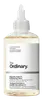
This smoothing toner is formulated around Glycolic Acid to refine skin texture and brighten dull-looking skin.


What's inside
What's inside
 Key Ingredients
Benefits
Concerns
Ingredients Side-by-side
Water
Skin ConditioningGlycolic Acid
Buffering











Rosa Damascena Flower Water
Masking

Centaurea Cyanus Flower Water
Skin Conditioning
Aloe Barbadensis Leaf Water
MaskingPropanediol
Solvent

Glycerin
Humectant
Triethanolamine
BufferingAminomethyl Propanol
BufferingPanax Ginseng Root Extract
Emollient
Tasmannia Lanceolata Fruit/Leaf Extract
Antioxidant
Aspartic Acid
Masking
Alanine
Masking
Glycine
Buffering
Serine
Masking
Valine
MaskingIsoleucine
Skin ConditioningProline
Skin Conditioning
Threonine
Histidine
Humectant
Phenylalanine
Masking
Glutamic Acid
Humectant
Arginine
Masking
PCA
Humectant
Sodium PCA
Humectant
Sodium Lactate
Buffering
Fructose
Humectant
Glucose
Humectant
Sucrose
Humectant
Urea
Buffering
Hexyl Nicotinate
EmollientDextrin
AbsorbentCitric Acid
Buffering
Polysorbate 20
Emulsifying
Gellan Gum
Trisodium Ethylenediamine Disuccinate
ChelatingSodium Chloride
MaskingHexylene Glycol
EmulsifyingPotassium Sorbate
Preservative
Sodium Benzoate
Masking
1,2-Hexanediol
Skin Conditioning
Caprylyl Glycol
Emollient
Water, Glycolic Acid, Rosa Damascena Flower Water, Centaurea Cyanus Flower Water, Aloe Barbadensis Leaf Water, Propanediol, Glycerin, Triethanolamine, Aminomethyl Propanol, Panax Ginseng Root Extract, Tasmannia Lanceolata Fruit/Leaf Extract, Aspartic Acid, Alanine, Glycine, Serine, Valine, Isoleucine, Proline, Threonine, Histidine, Phenylalanine, Glutamic Acid, Arginine, PCA, Sodium PCA, Sodium Lactate, Fructose, Glucose, Sucrose, Urea, Hexyl Nicotinate, Dextrin, Citric Acid, Polysorbate 20, Gellan Gum, Trisodium Ethylenediamine Disuccinate, Sodium Chloride, Hexylene Glycol, Potassium Sorbate, Sodium Benzoate, 1,2-Hexanediol, Caprylyl Glycol
Water
Skin ConditioningIsopentyldiol
Humectant
Glycerin
Humectant
Inulin
Skin Conditioning
Benzyl Alcohol
Perfuming




1,2-Hexanediol
Skin Conditioning
Polyglyceryl-3 Laurate
EmulsifyingLactitol
HumectantXylitol
Humectant
Acrylates/C10-30 Alkyl Acrylate Crosspolymer
Emulsion StabilisingPropanediol
Solvent
Rosmarinus Officinalis Leaf Oil
Masking
Salvia Sclarea Oil
Masking
Caprylhydroxamic Acid
ChelatingMentha Piperita Oil
Masking

Sodium Phytate
ChelatingSodium Hydroxide
BufferingGlycine
Buffering
Larix Europaea Wood Extract
HumectantSodium Metabisulfite
Antioxidant
Eclipta Prostrata Extract
Skin Conditioning
Phyllanthus Emblica Fruit Extract
HumectantBacopa Monnieri Extract
Skin ConditioningCamellia Sinensis Leaf Extract
Antimicrobial
Zinc Chloride
AntimicrobialLactic Acid
Buffering
Maltodextrin
Absorbent
Sodium Levulinate
Skin ConditioningLactobacillus Ferment
Skin Conditioning
Linalool
Perfuming
Limonene
Perfuming
Water, Isopentyldiol, Glycerin, Inulin, Benzyl Alcohol, 1,2-Hexanediol, Polyglyceryl-3 Laurate, Lactitol, Xylitol, Acrylates/C10-30 Alkyl Acrylate Crosspolymer, Propanediol, Rosmarinus Officinalis Leaf Oil, Salvia Sclarea Oil, Caprylhydroxamic Acid, Mentha Piperita Oil, Sodium Phytate, Sodium Hydroxide, Glycine, Larix Europaea Wood Extract, Sodium Metabisulfite, Eclipta Prostrata Extract, Phyllanthus Emblica Fruit Extract, Bacopa Monnieri Extract, Camellia Sinensis Leaf Extract, Zinc Chloride, Lactic Acid, Maltodextrin, Sodium Levulinate, Lactobacillus Ferment, Linalool, Limonene
Reviews
Ingredients Explained
These ingredients are found in both products.
Ingredients higher up in an ingredient list are typically present in a larger amount.
1,2-Hexanediol is a synthetic liquid and another multi-functional powerhouse.
It is a:
- Humectant, drawing moisture into the skin
- Emollient, helping to soften skin
- Solvent, dispersing and stabilizing formulas
- Preservative booster, enhancing the antimicrobial activity of other preservatives
Glycerin (or glycerol) is a compound naturally found in your skin. It's a powerhouse humectant that pulls water into the stratum corneum.
Topically, glycerin does several things at once:
Your skin makes glycerin on its own (mostly from sebaceous oil breakdown) and shuttles it to your outermost layer of skin, or your epidermis, via aquaporin-3.
Aquaporin-3 is a transporter that is essential for normal skin hydration, elasticity, and repair. Interestingly, mice lacking in AQP3 have dry and less elastic skin that can be fully corrected with glycerin.
This ingredient is non-irritating, plays well with almost every ingredient, and works across all skin types. Typical use is anywhere between 3-10% but can go up to 79% in some leave-on products.
Just know very high concentrations (>40%) can feel tacky in low humidity.
Glycerin is the name for this ingredient in American English. British English uses Glycerol/Glycerine.
Learn more about GlycerinGlycine is the smallest amino acid and a key building block of collagen. It's part if your skin's Natural Moisturizing Factor (NMF), or the water-loving molecules in your outermost layer of skin (stratum corneum) that keeps everything hydrated and happy.
A study from 2022 found that an amino acid complex featuring taurine, arginine, and glycine significantly reduced skin irritation, improved redness, and accelerated the skin repair process.
Propanediol is an all-star ingredient. It softens, hydrates, and smooths the skin.
It’s often used to:
Propanediol is not likely to cause sensitivity and considered safe to use. It is derived from corn or petroleum with a clear color and no scent.
Learn more about PropanediolWater. It's the most common cosmetic ingredient of all. You'll usually see it at the top of ingredient lists, meaning that it makes up the largest part of the product.
So why is it so popular? Water most often acts as a solvent - this means that it helps dissolve other ingredients into the formulation.
You'll also recognize water as that liquid we all need to stay alive. If you see this, drink a glass of water. Remember to stay hydrated!
Learn more about Water

