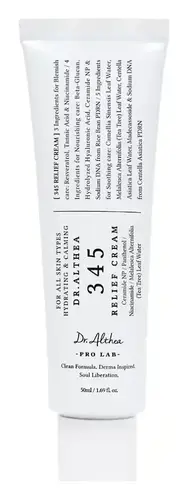
This mild gel cleanser is made to cleanse while respecting your skin barrier.
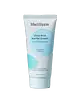
This barrier-repair moisturizer is formulated around Butyrospermum Parkii Butter and Niacinamide to strengthen the skin barrier and hydrate skin.

What's inside
What's inside
 Key Ingredients
Benefits
Concerns
Ingredients Side-by-side
Water
Skin ConditioningGlycerin
Humectant


Sodium Lauroyl Sarcosinate
CleansingSodium Cocoyl Apple Amino Acids
Skin Conditioning
Hydroxyethylcellulose
Emulsion StabilisingCaprylyl Glycol
Emollient
Ethylhexylglycerin
Skin ConditioningInulin
Skin Conditioning
Citric Acid
Buffering


Tetrasodium Glutamate Diacetate
Caprylhydroxamic Acid
Alpha-Glucan Oligosaccharide
Cleansing
Maltodextrin
Absorbent
Chamomilla Recutita Flower Extract
Masking

Lactobacillus Ferment
Skin Conditioning
Calendula Officinalis Flower Extract
Masking
Leuconostoc/Radish Root Ferment Filtrate
Antimicrobial
Hyaluronic Acid
Humectant

Lactic Acid
Buffering





Water, Glycerin, Sodium Lauroyl Sarcosinate, Sodium Cocoyl Apple Amino Acids, Hydroxyethylcellulose, Caprylyl Glycol, Ethylhexylglycerin, Inulin, Citric Acid, Tetrasodium Glutamate Diacetate, Caprylhydroxamic Acid, Alpha-Glucan Oligosaccharide, Maltodextrin, Chamomilla Recutita Flower Extract, Lactobacillus Ferment, Calendula Officinalis Flower Extract, Leuconostoc/Radish Root Ferment Filtrate, Hyaluronic Acid, Lactic Acid
Water
Skin ConditioningButyrospermum Parkii Butter
Skin Conditioning

Glyceryl Rosinate
Perfuming
Olea Europaea Oil Unsaponifiables
Skin Conditioning
Cetearyl Alcohol
Emollient
Cetyl Alcohol
Emollient
Arachidyl Alcohol
Emollient
Behenyl Alcohol
Emollient
Theobroma Grandiflorum Seed Butter
Skin Conditioning
Arachidyl Glucoside
EmulsifyingGlycerin
Humectant
Cetearyl Glucoside
Emulsifying
Caprylic/Capric Triglyceride
Masking
Glyceryl Stearate
Emollient
Niacinamide
Smoothing

Linseed Oil/Palm Oil Aminopropanediol Esters
Skin Conditioning
Ascorbic Acid
Antioxidant

Opuntia Ficus-Indica Stem Extract
Skin Conditioning
Phenethyl Alcohol
MaskingCaprylyl Glycol
Emollient
Ethylhexylglycerin
Skin ConditioningHyaluronic Acid
Humectant
Malva Sylvestris Extract
AstringentMentha Piperita Leaf Extract
Skin ConditioningPrimula Veris Extract
Skin ConditioningAlchemilla Vulgaris Extract
AstringentVeronica Officinalis Extract
Skin ConditioningMelissa Officinalis Leaf Extract
Skin ConditioningAchillea Millefolium Extract
CleansingXanthan Gum
EmulsifyingTheobroma Cacao Seed Butter
Emollient
Polyglutamic Acid
Skin Conditioning
Squalane
Emollient
Rubus Idaeus Seed Oil
Emollient
Calendula Officinalis Flower Extract
Masking
Phyllanthus Emblica Fruit Extract
HumectantGlucosyl Hesperidin
HumectantChamomilla Recutita Flower Extract
Masking
Curcuma Longa Root Extract
Antioxidant
Water, Butyrospermum Parkii Butter, Glyceryl Rosinate, Olea Europaea Oil Unsaponifiables, Cetearyl Alcohol, Cetyl Alcohol, Arachidyl Alcohol, Behenyl Alcohol, Theobroma Grandiflorum Seed Butter, Arachidyl Glucoside, Glycerin, Cetearyl Glucoside, Caprylic/Capric Triglyceride, Glyceryl Stearate, Niacinamide, Linseed Oil/Palm Oil Aminopropanediol Esters, Ascorbic Acid, Opuntia Ficus-Indica Stem Extract, Phenethyl Alcohol, Caprylyl Glycol, Ethylhexylglycerin, Hyaluronic Acid, Malva Sylvestris Extract, Mentha Piperita Leaf Extract, Primula Veris Extract, Alchemilla Vulgaris Extract, Veronica Officinalis Extract, Melissa Officinalis Leaf Extract, Achillea Millefolium Extract, Xanthan Gum, Theobroma Cacao Seed Butter, Polyglutamic Acid, Squalane, Rubus Idaeus Seed Oil, Calendula Officinalis Flower Extract, Phyllanthus Emblica Fruit Extract, Glucosyl Hesperidin, Chamomilla Recutita Flower Extract, Curcuma Longa Root Extract
Ingredients Explained
These ingredients are found in both products.
Ingredients higher up in an ingredient list are typically present in a larger amount.
Calendula Officinalis Flower Extract comes from the marigold flower and has been used on skin for centuries for its calming effect.
In the lab, its active compounds appear to calm inflammation and support the early "healing" phase of minor wounds.
This is why Europe's medicines regulator has approved calendula extracts as a traditional remedy for minor skin inflammation and healing small wounds.
The stronger human evidence is around would/ulcer care rather than everyday cosmetic claims; a review that pulled together 14 studies found that calendula helped calm the early, inflamed stage of a wound and helped new skin tissue form faster.
Two studies also showed it shrank leg ulcers (the kind caused by poor circulation). Results were mixed for burns and for the skin irritation people get from radiation treatment, so it's not a sure thing there.
In cosmetics, it's mostly a skin conditioning and soothing agent.
The Cosmetic Ingredient Review panel concluded that calendula-derived ingredients are safe as used and that the ingredients are not irritating, sensitizing, or photosensitizing in clinical tests (though they may be mild eye irritants).
Typical use levels are quite low; industry data reported it used at under 0.5% (one supplier noted a 10-25% extract blend used at 1-10% in the finished product). Historical use goes up to 10%.
The only thing to keep in mind is if you have daisy/ragweed allergies. Calendula is in the same family and one patch-test study found 2% of dermatitis patients reacted to marigold. Be sure to patch test if you have sensitive or allergy-prone skin.
Learn more about Calendula Officinalis Flower ExtractCaprylyl Glycol is a humectant, skin conditioner, emollient, and preservative booster derived from either caprylic acid or synthetically created.
Typical use levels vary from 0.3-1% as a preservative booster and go up to 2% to condition skin.
Because it is not a free-fatty acid, this ingredient is fungal acne safe (there's nothing for Malassezia to feed on).
Learn more about Caprylyl GlycolChamomilla Recutita Flower Extract comes from the Chamomile flower.
Chamomile is rich in antioxidants and has anti-inflammatory properties. Several compounds found in chamomile help with soothing, such as bisbolol.
Antioxidant components in chamomile make it an effective ingredient to help slow the signs of aging. Antioxidants help fight free-radical molecules, or molecules that may damage your skin.
Essential oils from chamomile have been found to improve wound healing due to its antimicrobial properties.
Ancient Greeks and Egyptians used Chamomile to treat skin redness and dryness. Chamomile has also been used to help treat stomach issues.
Learn more about Chamomilla Recutita Flower ExtractEthylhexylglycerin is created from glycerin. It is a multitasker ingredient that:
The CIR Expert Panel found minimal skin absorption or sensitization of any kind in a safety assessment. Though this ingredient is considered well-tolerated, a small number of cases of allergic dermatitis have been published since 2002. Just be sure to patch test if you are unsure.
Industry-reported use ranges from 8% in rinse-off products and 2% in leave-on formulations.
Learn more about EthylhexylglycerinGlycerin (or glycerol) is a compound naturally found in your skin. It's a powerhouse humectant that pulls water into the stratum corneum.
Topically, glycerin does several things at once:
Your skin makes glycerin on its own (mostly from sebaceous oil breakdown) and shuttles it to your outermost layer of skin, or your epidermis, via aquaporin-3.
Aquaporin-3 is a transporter that is essential for normal skin hydration, elasticity, and repair. Interestingly, mice lacking in AQP3 have dry and less elastic skin that can be fully corrected with glycerin.
This ingredient is non-irritating, plays well with almost every ingredient, and works across all skin types. Typical use is anywhere between 3-10% but can go up to 79% in some leave-on products.
Just know very high concentrations (>40%) can feel tacky in low humidity.
Glycerin is the name for this ingredient in American English. British English uses Glycerol/Glycerine.
Learn more about GlycerinHyaluronic acid (HA) is a glycosaminoglycan (basically a long sugar chain) that your skin already makes on its own. In your skin, HA lives in the extracellular matrix and acts as the body's moisture reservoir.
Topically, HA is a humectant that binds water and helps skin look more plump, smooth, and hydrated.
The only catch is that HA isn't a single thing; it actually comes in a wide range of molecular weights (~50 - 2,000+ kDA) and size matters.
Some clinical evidence links low molecular weight versions to improved wrinkle depth, elasticity, anti-inflammatory effects, and barrier repair.
This is why the best HA serums blend the two sizes together so you get the best of both worlds.
The majority of cosmetic HA is produced by bacterial fermentation, typically using Streptococcus or Bacillus strains. Typical use levels in skincare sit around 0.1-2%.
A clinical study using a 0.2% low-molecular weight HA gel showed improvement in facial seborrheic dermatitis with excellent tolerance.
These are some other common types of Hyaluronic Acid:
Learn more about Hyaluronic AcidWater. It's the most common cosmetic ingredient of all. You'll usually see it at the top of ingredient lists, meaning that it makes up the largest part of the product.
So why is it so popular? Water most often acts as a solvent - this means that it helps dissolve other ingredients into the formulation.
You'll also recognize water as that liquid we all need to stay alive. If you see this, drink a glass of water. Remember to stay hydrated!
Learn more about Water