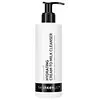
This mild cream cleanser is made to cleanse without leaving your skin tight or dry.
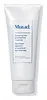
This mild gel cleanser is made to cleanse while calming and soothing your skin.


What's inside
What's inside
 Key Ingredients
Benefits
Concerns
Ingredients Side-by-side
Water
Skin ConditioningGlycerin
Humectant


Ethylhexyl Palmitate
Emollient




C12-15 Alkyl Benzoate
AntimicrobialPEG-6 Caprylic/Capric Glycerides
EmulsifyingBetaine
Humectant
Polyglyceryl-3 Dicitrate/Stearate
Emulsifying
Sodium Acrylate/Sodium Acryloyldimethyl Taurate Copolymer
Emulsion StabilisingIsohexadecane
EmollientPentylene Glycol
Skin Conditioning
Propanediol
Solvent
Butyrospermum Parkii Butter
Skin Conditioning
Hydroxyacetophenone
Antioxidant
Oryza Sativa
Caprylyl Glycol
Emollient
Cetearyl Olivate
Polysorbate 80
Emulsifying
Sorbitan Olivate
Emulsifying
Ethylhexylglycerin
Skin ConditioningSodium Hydroxide
BufferingSorbitan Oleate
Emulsifying
Xanthan Gum
EmulsifyingHydrolyzed Rice Protein
Skin ConditioningOryza Sativa Bran Oil
Emollient

Inulin
Skin Conditioning
Polyquaternium-10
Hydrolyzed Sodium Hyaluronate
Skin Conditioning
Sodium Hyaluronate
Humectant

Phenoxyethanol
Preservative
Lecithin
Emollient
Water, Glycerin, Ethylhexyl Palmitate, C12-15 Alkyl Benzoate, PEG-6 Caprylic/Capric Glycerides, Betaine, Polyglyceryl-3 Dicitrate/Stearate, Sodium Acrylate/Sodium Acryloyldimethyl Taurate Copolymer, Isohexadecane, Pentylene Glycol, Propanediol, Butyrospermum Parkii Butter, Hydroxyacetophenone, Oryza Sativa, Caprylyl Glycol, Cetearyl Olivate, Polysorbate 80, Sorbitan Olivate, Ethylhexylglycerin, Sodium Hydroxide, Sorbitan Oleate, Xanthan Gum, Hydrolyzed Rice Protein, Oryza Sativa Bran Oil, Inulin, Polyquaternium-10, Hydrolyzed Sodium Hyaluronate, Sodium Hyaluronate, Phenoxyethanol, Lecithin
Water
Skin ConditioningGlycerin
Humectant
Propanediol
Solvent
Dicaprylyl Carbonate
EmollientHydroxyethyl Acrylate/Sodium Acryloyldimethyl Taurate Copolymer
Emulsion StabilisingSqualane
Emollient
Cocamidopropyl Hydroxysultaine
Cleansing
Butyrospermum Parkii Butter
Skin Conditioning
Sorbitan Oleate Decylglucoside Crosspolymer
CleansingBetaine
Humectant
Avena Sativa Kernel Extract
Abrasive
Saccharide Isomerate
Humectant
Ethylhexylglycerin
Skin ConditioningSodium Acrylate/Sodium Acryloyldimethyl Taurate Copolymer
Emulsion StabilisingPolyisobutene
Caprylyl/Capryl Glucoside
CleansingSodium Surfactin
CleansingSorbitan Isostearate
Emulsifying
Sorbitan Oleate
Emulsifying
Tetrasodium Glutamate Diacetate
ChelatingCitric Acid
Buffering

Chlorphenesin
Antimicrobial
Sodium Benzoate
Masking
Water, Glycerin, Propanediol, Dicaprylyl Carbonate, Hydroxyethyl Acrylate/Sodium Acryloyldimethyl Taurate Copolymer, Squalane, Cocamidopropyl Hydroxysultaine, Butyrospermum Parkii Butter, Sorbitan Oleate Decylglucoside Crosspolymer, Betaine, Avena Sativa Kernel Extract, Saccharide Isomerate, Ethylhexylglycerin, Sodium Acrylate/Sodium Acryloyldimethyl Taurate Copolymer, Polyisobutene, Caprylyl/Capryl Glucoside, Sodium Surfactin, Sorbitan Isostearate, Sorbitan Oleate, Tetrasodium Glutamate Diacetate, Citric Acid, Chlorphenesin, Sodium Benzoate
Reviews
Ingredients Explained
These ingredients are found in both products.
Ingredients higher up in an ingredient list are typically present in a larger amount.
Betaine is a humectant. Like hyaluronic acid, it helps attract and retain moisture in the skin. It’s known for being gentle and for helping the skin maintain balanced hydration.
Betaine is mainly used to improve hydration and support calmer skin. It helps skin cells regulate water balance because it functions as an osmolyte.
Some studies suggest betaine may support making skin tone more even.
Fun fact: Betaine naturally exists in the skin and the body. In cosmetic products, it can be either plant-derived (most commonly from sugar beets) or synthetically produced for consistency and stability.
Betaine is also known as trimethylglycine.
Learn more about BetaineThis ingredient is also known as shea butter. It is a plant-derived extract from the nuts of the Africa shea tree and one of the most well-studied emollients.
Because it has a high concentration of fatty acids (primarily oleic, stearic, and linoleic) it is able to form a protective barrier on the skin's surface. This helps seal in moisture and prevents transepidermal water loss (TEWL).
In vitro research found an increase in skin hydration by 58% and a decrease in TEWL by 37.8% after 24 hours of applying this ingredient (pretty impressive for a single ingredient!).
Besides hydration, shea butter also contains triterpenes that have anti-inflammatory potential. In particule, lupeol cinnamate has shown the highest anti-inflammatory activity in vivo.
Shea butter also contains vitamins A and E which may contribute to antioxidant activity.
While Shea Butter has an SPF rating of about 3-4, it is not a sunscreen replacement.
This ingredient may not be fungal acne safe because its fatty acids fall within the C11-C24 range that the Malassezia yeast can metabolize.
This ingredient shows up on a lot of "pore-clogging" lists but there's no real evidence behind that. It doesn't even have a comedogenic rating from an actual study; the numbers you'll find online come from blogs citing other blogs.
Ratings for other ingredients mostly come from a 1980s rabbit ear test. This test doesn't translate well to human skin or to real products because the ingredient sits at a much lower percentage.
Some people still find it breaks them out. So if that's you, definitely trust your skin. Just know this one's based on experience and not evidence.
Learn more about Butyrospermum Parkii ButterEthylhexylglycerin is created from glycerin. It is a multitasker ingredient that:
The CIR Expert Panel found minimal skin absorption or sensitization of any kind in a safety assessment. Though this ingredient is considered well-tolerated, a small number of cases of allergic dermatitis have been published since 2002. Just be sure to patch test if you are unsure.
Industry-reported use ranges from 8% in rinse-off products and 2% in leave-on formulations.
Learn more about EthylhexylglycerinGlycerin (or glycerol) is a compound naturally found in your skin. It's a powerhouse humectant that pulls water into the stratum corneum.
Topically, glycerin does several things at once:
Your skin makes glycerin on its own (mostly from sebaceous oil breakdown) and shuttles it to your outermost layer of skin, or your epidermis, via aquaporin-3.
Aquaporin-3 is a transporter that is essential for normal skin hydration, elasticity, and repair. Interestingly, mice lacking in AQP3 have dry and less elastic skin that can be fully corrected with glycerin.
This ingredient is non-irritating, plays well with almost every ingredient, and works across all skin types. Typical use is anywhere between 3-10% but can go up to 79% in some leave-on products.
Just know very high concentrations (>40%) can feel tacky in low humidity.
Glycerin is the name for this ingredient in American English. British English uses Glycerol/Glycerine.
Learn more about GlycerinPropanediol is an all-star ingredient. It softens, hydrates, and smooths the skin.
It’s often used to:
Propanediol is not likely to cause sensitivity and considered safe to use. It is derived from corn or petroleum with a clear color and no scent.
Learn more about PropanediolThis long ingredient is a copolymer of sodium acrylate and sodium acryloyldimethyl taurate monomers.
It is used to help stabilize other ingredients and create a thicker gel-like texture.
Emulsifiers prevent oils and waters from separating.
Learn more about Sodium Acrylate/Sodium Acryloyldimethyl Taurate CopolymerSorbitan Oleate is a PEG-free emulsifier made by esterifying sorbitol with oleic acid.
You'll likely see it paired with Polysorbate 80 to create the right emulsification balance.
Typical use levels in formulas range from 2-10%.
The CIR Expert Panel has concluded this ingredient to be safe as a cosmetic ingredient.
Since this ingredient is an ester of oleic acid, it may not be fungal acne safe. Oleic acid is a fatty acid that falls into the C11-24 range that Malassezia can metabolize.
This ingredient does have a comedogenic rating of 3, but this doesn't mean a formula with this ingredient will clog pores. Human testing has proved that any finished product with a comedogenic ingredient won't automatically make you break out; it really comes down to concentration, formula, and your skin.
Learn more about Sorbitan OleateWater. It's the most common cosmetic ingredient of all. You'll usually see it at the top of ingredient lists, meaning that it makes up the largest part of the product.
So why is it so popular? Water most often acts as a solvent - this means that it helps dissolve other ingredients into the formulation.
You'll also recognize water as that liquid we all need to stay alive. If you see this, drink a glass of water. Remember to stay hydrated!
Learn more about Water

