

What's inside
What's inside
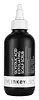 Key Ingredients
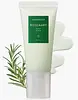
Benefits
Concerns
Ingredients Side-by-side
Water
Skin ConditioningGlycolic Acid
Buffering











Propanediol
Solvent

Hydrogenated Castor Oil
Emollient

PEG-40 Hydrogenated Castor Oil
Emulsifying
Betaine
Humectant
Glycerin
Humectant
Sodium Hydroxide
BufferingPolyquaternium-10
Phenoxyethanol
Preservative
Benzyl Alcohol
Perfuming




Alpha-Glucan Oligosaccharide
Cleansing
Citronellyl Methylcrotonate
Masking
Panthenol
Skin Conditioning
Ethylhexylglycerin
Skin ConditioningDehydroacetic Acid
Preservative
Mannitol
Humectant
Trisodium Ethylenediamine Disuccinate
ChelatingSodium Benzoate
Masking
Tetraselmis Suecica Extract
Skin ConditioningLactic Acid
Buffering
Potassium Benzoate
Preservative
Water, Glycolic Acid, Propanediol, Hydrogenated Castor Oil, PEG-40 Hydrogenated Castor Oil, Betaine, Glycerin, Sodium Hydroxide, Polyquaternium-10, Phenoxyethanol, Benzyl Alcohol, Alpha-Glucan Oligosaccharide, Citronellyl Methylcrotonate, Panthenol, Ethylhexylglycerin, Dehydroacetic Acid, Mannitol, Trisodium Ethylenediamine Disuccinate, Sodium Benzoate, Tetraselmis Suecica Extract, Lactic Acid, Potassium Benzoate
Sea Salt
Abrasive
Sodium Chloride
MaskingRosmarinus Officinalis Leaf Extract
AntimicrobialWater
Skin ConditioningPinus Densiflora Leaf Extract
Antimicrobial
Sodium Methyl Cocoyl Taurate
Cleansing
Glycerin
Humectant
Coco-Betaine
Cleansing
Lauryl Betaine
CleansingZingiber Officinale Root Extract
Masking
Xanthan Gum
EmulsifyingPropanediol
Solvent
Ethylhexylglycerin
Skin ConditioningRosmarinus Officinalis Leaf Oil
Masking
Ocimum Basilicum Leaf Extract
Skin ConditioningOcimum Sanctum Leaf Extract
Skin ConditioningOriganum Vulgare Leaf Extract
Skin ConditioningBifida Ferment Lysate
Skin Conditioning
Lactobacillus Ferment Lysate
Skin Conditioning
Caffeine
Skin Conditioning
Panthenol
Skin Conditioning
Moringa Oleifera Seed Oil
Emollient
Menthol
Masking
Salicylic Acid
Masking
Cedrus Atlantica Bark Oil
Masking
Abies Sibirica Oil
Masking
Cupressus Sempervirens Oil
Masking
Niacinamide
Smoothing
Chamomilla Recutita Flower Extract
Masking
Verbena Officinalis Extract
EmollientStyrax Benzoin Resin Extract
Masking
Dipropylene Glycol
HumectantLimonene
Perfuming
Guar Hydroxypropyltrimonium Chloride
Skin ConditioningMelia Azadirachta Leaf Extract
Skin ConditioningMelia Azadirachta Flower Extract
Skin ConditioningCoccinia Indica Fruit Extract
Skin Conditioning
Amber Powder
Solanum Melongena Fruit Extract
Skin ConditioningCurcuma Longa Root Extract
Antioxidant
Corallina Officinalis Extract
Skin Conditioning
Disodium EDTA
Chelating1,2-Hexanediol
Skin Conditioning
Sea Salt, Sodium Chloride, Rosmarinus Officinalis Leaf Extract, Water, Pinus Densiflora Leaf Extract, Sodium Methyl Cocoyl Taurate, Glycerin, Coco-Betaine, Lauryl Betaine, Zingiber Officinale Root Extract, Xanthan Gum, Propanediol, Ethylhexylglycerin, Rosmarinus Officinalis Leaf Oil, Ocimum Basilicum Leaf Extract, Ocimum Sanctum Leaf Extract, Origanum Vulgare Leaf Extract, Bifida Ferment Lysate, Lactobacillus Ferment Lysate, Caffeine, Panthenol, Moringa Oleifera Seed Oil, Menthol, Salicylic Acid, Cedrus Atlantica Bark Oil, Abies Sibirica Oil, Cupressus Sempervirens Oil, Niacinamide, Chamomilla Recutita Flower Extract, Verbena Officinalis Extract, Styrax Benzoin Resin Extract, Dipropylene Glycol, Limonene, Guar Hydroxypropyltrimonium Chloride, Melia Azadirachta Leaf Extract, Melia Azadirachta Flower Extract, Coccinia Indica Fruit Extract, Amber Powder, Solanum Melongena Fruit Extract, Curcuma Longa Root Extract, Corallina Officinalis Extract, Disodium EDTA, 1,2-Hexanediol
Reviews
Ingredients Explained
These ingredients are found in both products.
Ingredients higher up in an ingredient list are typically present in a larger amount.
Ethylhexylglycerin is created from glycerin. It is a multitasker ingredient that:
The CIR Expert Panel found minimal skin absorption or sensitization of any kind in a safety assessment. Though this ingredient is considered well-tolerated, a small number of cases of allergic dermatitis have been published since 2002. Just be sure to patch test if you are unsure.
Industry-reported use ranges from 8% in rinse-off products and 2% in leave-on formulations.
Learn more about EthylhexylglycerinGlycerin (or glycerol) is a compound naturally found in your skin. It's a powerhouse humectant that pulls water into the stratum corneum.
Topically, glycerin does several things at once:
Your skin makes glycerin on its own (mostly from sebaceous oil breakdown) and shuttles it to your outermost layer of skin, or your epidermis, via aquaporin-3.
Aquaporin-3 is a transporter that is essential for normal skin hydration, elasticity, and repair. Interestingly, mice lacking in AQP3 have dry and less elastic skin that can be fully corrected with glycerin.
This ingredient is non-irritating, plays well with almost every ingredient, and works across all skin types. Typical use is anywhere between 3-10% but can go up to 79% in some leave-on products.
Just know very high concentrations (>40%) can feel tacky in low humidity.
Glycerin is the name for this ingredient in American English. British English uses Glycerol/Glycerine.
Learn more about GlycerinPanthenol is a common ingredient that helps hydrate and soothe the skin. It is found naturally in our skin and hair.
There are two forms of panthenol: D and L.
D-panthenol is also known as dexpanthenol. Most cosmetics use dexpanthenol or a mixture of D and L-panthenol.
Panthenol is famous due to its ability to go deeper into the skin's layers. Using this ingredient has numerous pros (and no cons):
Like hyaluronic acid, panthenol is a humectant. Humectants are able to bind and hold large amounts of water to keep skin hydrated.
This ingredient works well for wound healing. It works by increasing tissue in the wound and helps close open wounds.
Once oxidized, panthenol converts to pantothenic acid. Panthothenic acid is found in all living cells.
This ingredient is also referred to as pro-vitamin B5.
Learn more about PanthenolPropanediol is an all-star ingredient. It softens, hydrates, and smooths the skin.
It’s often used to:
Propanediol is not likely to cause sensitivity and considered safe to use. It is derived from corn or petroleum with a clear color and no scent.
Learn more about PropanediolWater. It's the most common cosmetic ingredient of all. You'll usually see it at the top of ingredient lists, meaning that it makes up the largest part of the product.
So why is it so popular? Water most often acts as a solvent - this means that it helps dissolve other ingredients into the formulation.
You'll also recognize water as that liquid we all need to stay alive. If you see this, drink a glass of water. Remember to stay hydrated!
Learn more about Water

