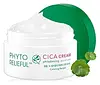
This calming moisturizer is formulated around Centella Asiatica Extract and Panthenol to calm redness and strengthen the skin barrier.
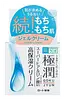
This barrier-repair moisturizer is formulated around Panthenol and Sodium Hyaluronate to strengthen the skin barrier and hydrate skin.


What's inside
What's inside
 Key Ingredients
Benefits
Concerns
No concerns
Ingredients Side-by-side
Water
Skin ConditioningCentella Asiatica Extract
Cleansing





Dicaprylyl Ether
Emollient
Panthenol
Skin Conditioning
Glycerin
Humectant
1,2-Hexanediol
Skin Conditioning
Solanum Melongena Fruit Extract
Skin ConditioningLonicera Japonica Flower Extract
Skin ConditioningForsythia Suspensa Fruit Extract
Antioxidant
Angelica Gigas Root Extract
Skin ConditioningCnidium Officinale Root Extract
Skin ConditioningGardenia Jasminoides Fruit Extract
Cosmetic ColorantCoptis Japonica Root Extract
Skin ConditioningGlycyrrhiza Uralensis Root Extract
Skin Conditioning
Laminaria Japonica Extract
Skin Protecting
Eclipta Prostrata Leaf Extract
Skin ConditioningFicus Carica Fruit Extract
Humectant
Houttuynia Cordata Extract
Skin Conditioning
Hydrogenated Lecithin
Emulsifying
Ammonium Acryloyldimethyltaurate/Vp Copolymer
Hexyldecyl Laurate
EmollientHexyldecanol
Emollient
Carbomer
Emulsion StabilisingTromethamine
BufferingPolyquaternium-51
Skin Conditioning
Fructooligosaccharides
Humectant
Xanthan Gum
EmulsifyingBeta-Glucan
Skin Conditioning
Hydrolyzed Hyaluronic Acid
Humectant
Ceramide NP
Skin Conditioning
Hydroxyacetophenone
Antioxidant
Ethylhexylglycerin
Skin ConditioningWater, Centella Asiatica Extract, Dicaprylyl Ether, Panthenol, Glycerin, 1,2-Hexanediol, Solanum Melongena Fruit Extract, Lonicera Japonica Flower Extract, Forsythia Suspensa Fruit Extract, Angelica Gigas Root Extract, Cnidium Officinale Root Extract, Gardenia Jasminoides Fruit Extract, Coptis Japonica Root Extract, Glycyrrhiza Uralensis Root Extract, Laminaria Japonica Extract, Eclipta Prostrata Leaf Extract, Ficus Carica Fruit Extract, Houttuynia Cordata Extract, Hydrogenated Lecithin, Ammonium Acryloyldimethyltaurate/Vp Copolymer, Hexyldecyl Laurate, Hexyldecanol, Carbomer, Tromethamine, Polyquaternium-51, Fructooligosaccharides, Xanthan Gum, Beta-Glucan, Hydrolyzed Hyaluronic Acid, Ceramide NP, Hydroxyacetophenone, Ethylhexylglycerin
PEG-100 Stearate
Surfactant

Glyceryl Stearate
Emollient
Dimethicone/Vinyl Dimethicone Crosspolymer
Skin Conditioning
Betaine
Humectant
Palmitic Acid
Emollient


Stearic Acid
Cleansing
Cetyl PEG/PPG-10/1 Dimethicone
Emulsifying
Carbomer
Emulsion StabilisingTromethamine
BufferingSodium Acrylate/Sodium Acryloyldimethyl Taurate Copolymer
Emulsion StabilisingPanthenol
Skin Conditioning
Isohexadecane
EmollientCitrus Grandis Peel Oil
Masking




Glyceryl Stearate Citrate
Emollient
Xanthan Gum
EmulsifyingCitrus Aurantium Dulcis Oil
Masking
Acrylates/Ethylhexyl Acrylate Copolymer
Polysorbate 80
Emulsifying
Cymbopogon Martini Oil
Masking
Citrus Aurantium Bergamia Fruit Oil
Masking
Pelargonium Graveolens Flower Oil
Masking
Hydrolyzed Hibiscus Esculentus Extract
Skin ConditioningLupinus Albus Seed Extract
Skin ConditioningMoringa Oleifera Seed Extract
Skin Conditioning
Oryza Sativa Bran Oil Extract
Skin Conditioning
Sorbitan Oleate
Emulsifying
Cedrus Atlantica Bark Oil
Masking
Michelia Alba Flower Oil
Masking
Salvia Sclarea Oil
Masking
Cananga Odorata Flower Oil
Masking
Ceramide NP
Skin Conditioning
Hydrolyzed Sodium Hyaluronate
Skin Conditioning
Sodium Acetylated Hyaluronate
Humectant
Sodium Hyaluronate
Humectant
Eclipta Prostrata Extract
Skin Conditioning
Melia Azadirachta Leaf Extract
Skin ConditioningMoringa Oleifera Seed Oil
Emollient
Citrus Aurantifolia Oil
Cleansing
Cinnamomum Cassia Leaf Oil
Masking
Rose Flower Oil
Masking
Paeonia Officinalis Flower Extract
TonicPotassium Sorbate
Preservative
Sodium Benzoate
Masking
Citric Acid
Buffering

PEG-100 Stearate, Glyceryl Stearate, Dimethicone/Vinyl Dimethicone Crosspolymer, Betaine, Palmitic Acid, Stearic Acid, Cetyl PEG/PPG-10/1 Dimethicone, Carbomer, Tromethamine, Sodium Acrylate/Sodium Acryloyldimethyl Taurate Copolymer, Panthenol, Isohexadecane, Citrus Grandis Peel Oil, Glyceryl Stearate Citrate, Xanthan Gum, Citrus Aurantium Dulcis Oil, Acrylates/Ethylhexyl Acrylate Copolymer, Polysorbate 80, Cymbopogon Martini Oil, Citrus Aurantium Bergamia Fruit Oil, Pelargonium Graveolens Flower Oil, Hydrolyzed Hibiscus Esculentus Extract, Lupinus Albus Seed Extract, Moringa Oleifera Seed Extract, Oryza Sativa Bran Oil Extract, Sorbitan Oleate, Cedrus Atlantica Bark Oil, Michelia Alba Flower Oil, Salvia Sclarea Oil, Cananga Odorata Flower Oil, Ceramide NP, Hydrolyzed Sodium Hyaluronate, Sodium Acetylated Hyaluronate, Sodium Hyaluronate, Eclipta Prostrata Extract, Melia Azadirachta Leaf Extract, Moringa Oleifera Seed Oil, Citrus Aurantifolia Oil, Cinnamomum Cassia Leaf Oil, Rose Flower Oil, Paeonia Officinalis Flower Extract, Potassium Sorbate, Sodium Benzoate, Citric Acid
Reviews
Ingredients Explained
These ingredients are found in both products.
Ingredients higher up in an ingredient list are typically present in a larger amount.
Carbomer is a synthetic thickening and gelling agent. It's basically the ingredient that gives a lot of serums, gels, creams, and sunscreens their smooth, non-sticky texture.
Although legally permitted at very high levels, carbomers are normally used at concentrations below 1%.
It also needs to be neutralized to actually thicken, and because it is a large molecule, it doesn't really penetrate the skin barrier.
Allergy-wise, the risk is very low. Clinical studies show carbomers have low potential for skin irritation/sensitization even at concentrations up to 100%.
A 2024 UK study patch-tested 1,302 patients and found true allergy to the parent group of carbomer to be rare with no confirmed relevant reactions.
Learn more about CarbomerCeramide NP (formerly known as Ceramide 3) is one of the skin's naturally occurring lipids.
Since ceramides are the major lipid components of the skin, they are crucial for maintaining skin barrier and hydration. Ceramide NP most closely mirrors the dominant kind in human skin amongst ceramide subtypes.
This ceramide works by slotting into gaps within the stratum corneum's lipid matrix to limit trans-epidermal water loss (TEWL) and shield the skin against external irritants.
A study with 312 patients found that using a ceramide-containing routine for 4 weeks reduced the severity of atopic dermatitis by over 61%.
Another clinical study in subjects aged 60 and older found that a ceramide body wash and moisturizer improved skin dryness and itchy skin in 15 days.
Overall, ceramides are considered non-irritating and safety tests have found little to no observable adverse effects from using this ingredient.
Ceramide NP is usually sourced from plants (like soybean or rice bran), or produced synthetically.
Learn more about Ceramide NPPanthenol is a common ingredient that helps hydrate and soothe the skin. It is found naturally in our skin and hair.
There are two forms of panthenol: D and L.
D-panthenol is also known as dexpanthenol. Most cosmetics use dexpanthenol or a mixture of D and L-panthenol.
Panthenol is famous due to its ability to go deeper into the skin's layers. Using this ingredient has numerous pros (and no cons):
Like hyaluronic acid, panthenol is a humectant. Humectants are able to bind and hold large amounts of water to keep skin hydrated.
This ingredient works well for wound healing. It works by increasing tissue in the wound and helps close open wounds.
Once oxidized, panthenol converts to pantothenic acid. Panthothenic acid is found in all living cells.
This ingredient is also referred to as pro-vitamin B5.
Learn more about PanthenolTromethamine (aka THAM) is a synthetic amino acid that shows up in skincare as a helper ingredient.
It functions as a pH adjuster to help neutralize acidic ingredients and set a formula's pH to the right spot.
This matters a lot because a lot of actives (like vitamin C) needs a specific pH to work well and feel comfortable on skin.
Concentration use ranges from 0.1-1.0% depending on the formula.
Learn more about TromethamineXanthan gum is used as a stabilizer and thickener within cosmetic products. It helps give products a sticky, thick feeling - preventing them from being too runny.
On the technical side of things, xanthan gum is a polysaccharide - a combination consisting of multiple sugar molecules bonded together.
Xanthan gum is a pretty common and great ingredient. It is a natural, non-toxic, non-irritating ingredient that is also commonly used in food products.
Learn more about Xanthan Gum

