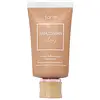
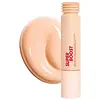
Tarte Amazonian Clay 16-Hour Full Coverage Foundation Versus Make Up For Ever Super Boost Lightweight Moisturizing Skin Tint


What's inside
What's inside
 Key Ingredients
Benefits
Concerns
Ingredients Side-by-side
Cyclopentasiloxane
Emollient
Water
Skin ConditioningIsododecane
EmollientButylene Glycol
Humectant
Dimethicone
Emollient
Polymethyl Methacrylate
Polysilicone-11
PEG-9 Polydimethylsiloxyethyl Dimethicone
Emulsifying
Trimethylsiloxysilicate
Emollient
Dimethicone/PEG-10/15 Crosspolymer
Phenoxyethanol
Preservative
Magnesium Sulfate
Hdi/Trimethylol Hexyllactone Crosspolymer
Aluminum Hydroxide
EmollientSodium Citrate
BufferingParfum
Masking


Tocopheryl Acetate
Antioxidant

C24-28 Alkyl Methicone
Emollient
Triethoxycaprylylsilane
Ethylhexylglycerin
Skin ConditioningKaolin
Abrasive



Dipropylene Glycol
HumectantSilica
Abrasive
Benzyl Salicylate
Perfuming

Hexyl Cinnamal
Perfuming
Limonene
Perfuming
Hydroxycitronellal
Perfuming
Geraniol
Perfuming
Tocopherol
Antioxidant


Amyl Cinnamal
Perfuming
Linalool
Perfuming
Titanium Dioxide
Cosmetic Colorant

Iron Oxides
Cyclopentasiloxane, Water, Isododecane, Butylene Glycol, Dimethicone, Polymethyl Methacrylate, Polysilicone-11, PEG-9 Polydimethylsiloxyethyl Dimethicone, Trimethylsiloxysilicate, Dimethicone/PEG-10/15 Crosspolymer, Phenoxyethanol, Magnesium Sulfate, Hdi/Trimethylol Hexyllactone Crosspolymer, Aluminum Hydroxide, Sodium Citrate, Parfum, Tocopheryl Acetate, C24-28 Alkyl Methicone, Triethoxycaprylylsilane, Ethylhexylglycerin, Kaolin, Dipropylene Glycol, Silica, Benzyl Salicylate, Hexyl Cinnamal, Limonene, Hydroxycitronellal, Geraniol, Tocopherol, Amyl Cinnamal, Linalool, Titanium Dioxide, Iron Oxides
Water
Skin ConditioningDimethicone
Emollient
Glycerin
Humectant
Cetyl PEG/PPG-10/1 Dimethicone
Emulsifying
Squalane
Emollient
Propylene Glycol Dicaprylate/Dicaprate
EmollientPropanediol
Solvent
Alcohol Denat.
Antimicrobial


Isododecane
EmollientPentylene Glycol
Skin ConditioningDimethicone/Vinyl Dimethicone Crosspolymer
Skin Conditioning
Synthetic Fluorphlogopite
Butylene Glycol
Humectant
Sodium Chloride
Masking
Stearalkonium Hectorite
Gel FormingGlyceryl Caprylate
EmollientTocopheryl Acetate
Antioxidant
Sodium Dehydroacetate
Preservative
Propylene Carbonate
SolventTriethoxysilylethyl Polydimethylsiloxyethyl Hexyl Dimethicone
Skin Conditioning
Parfum
Masking
Sodium Hyaluronate
Humectant
Citrus Paradisi Fruit Extract
Skin ConditioningPolyglutamic Acid
Skin Conditioning
Sodium Phytate
Hydrogen Dimethicone
Citric Acid
Buffering

Alcohol
Antimicrobial
CI 77891
Cosmetic ColorantCI 77491
Cosmetic ColorantCI 77492
Cosmetic ColorantCI 77499
Cosmetic ColorantWater, Dimethicone, Glycerin, Cetyl PEG/PPG-10/1 Dimethicone, Squalane, Propylene Glycol Dicaprylate/Dicaprate, Propanediol, Alcohol Denat., Isododecane, Pentylene Glycol, Dimethicone/Vinyl Dimethicone Crosspolymer, Synthetic Fluorphlogopite, Butylene Glycol, Sodium Chloride, Stearalkonium Hectorite, Glyceryl Caprylate, Tocopheryl Acetate, Sodium Dehydroacetate, Propylene Carbonate, Triethoxysilylethyl Polydimethylsiloxyethyl Hexyl Dimethicone, Parfum, Sodium Hyaluronate, Citrus Paradisi Fruit Extract, Polyglutamic Acid, Sodium Phytate, Hydrogen Dimethicone, Citric Acid, Alcohol, CI 77891, CI 77491, CI 77492, CI 77499
Ingredients Explained
These ingredients are found in both products.
Ingredients higher up in an ingredient list are typically present in a larger amount.
Butylene Glycol (or BG) is used within cosmetic products for a few different reasons:
Overall, Butylene Glycol is a safe and well-rounded ingredient that works well with other ingredients.
Though this ingredient works well with most skin types, some people with sensitive skin may experience a reaction such as allergic rashes, closed comedones, or itchiness.
Learn more about Butylene GlycolDimethicone is a type of synthetic silicone created from natural materials such as quartz.
What it does:
Dimethicone comes in different viscosities:
Depending on the viscosity, dimethicone has different properties.
Ingredients lists don't always show which type is used, so we recommend reaching out to the brand if you have questions about the viscosity.
This ingredient is unlikely to cause irritation because it does not get absorbed into skin. However, people with silicone allergies should be careful about using this ingredient.
Note: Dimethicone may contribute to pilling. This is because it is not oil or water soluble, so pilling may occur when layered with products. When mixed with heavy oils in a formula, the outcome is also quite greasy.
Learn more about DimethiconeIsododecane is a fragrance, emollient, and solvent.
As an emollient, it helps your skin stay soft and hydrated. Emollients help trap moisture into your skin.
Isododecane's role as a solvent makes it a great texture enhancer. It spreads smoothly on skin and does not leave a sticky feeling behind. Isododecane also helps prevent color transfer in makeup products.
Isododecane is not absorbed into skin.
Learn more about IsododecaneParfum is a catch-all term for an ingredient or more that is used to give a scent to products.
Also called "fragrance", this ingredient can be a blend of hundreds of chemicals or plant oils. This means every product with "fragrance" or "parfum" in the ingredients list is a different mixture.
For instance, Habanolide is a proprietary trade name for a specific aroma chemical. When used as a fragrance ingredient in cosmetics, most aroma chemicals fall under the broad labeling category of “FRAGRANCE” or “PARFUM” according to EU and US regulations.
The term 'parfum' or 'fragrance' is not regulated in many countries. In many cases, it is up to the brand to define this term.
For instance, many brands choose to label themselves as "fragrance-free" because they are not using synthetic fragrances. However, their products may still contain ingredients such as essential oils that are considered a fragrance by INCI standards.
One example is Calendula flower extract. Calendula is an essential oil that still imparts a scent or 'fragrance'.
Depending on the blend, the ingredients in the mixture can cause allergies and sensitivities on the skin. Some ingredients that are known EU allergens include linalool and citronellol.
Parfum can also be used to mask or cover an unpleasant scent.
The bottom line is: not all fragrances/parfum/ingredients are created equally. If you are worried about fragrances, we recommend taking a closer look at an ingredient. And of course, we always recommend speaking with a professional.
Learn more about ParfumTocopheryl Acetate is AKA Vitamin E. It is an antioxidant and protects your skin from free radicals. Free radicals damage the skin by breaking down collagen.
One study found using Tocopheryl Acetate with Vitamin C decreased the number of sunburned cells.
Tocopheryl Acetate is commonly found in both skincare and dietary supplements.
Learn more about Tocopheryl AcetateWater. It's the most common cosmetic ingredient of all. You'll usually see it at the top of ingredient lists, meaning that it makes up the largest part of the product.
So why is it so popular? Water most often acts as a solvent - this means that it helps dissolve other ingredients into the formulation.
You'll also recognize water as that liquid we all need to stay alive. If you see this, drink a glass of water. Stay hydrated!
Learn more about Water
