

What's inside
What's inside
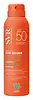 Key Ingredients
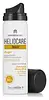
Benefits
Concerns
Ingredients Side-by-side
Dicaprylyl Carbonate
EmollientAlcohol Denat.
Antimicrobial




Diethylamino Hydroxybenzoyl Hexyl Benzoate
UV Filter
Diisopropyl Adipate
EmollientEthylhexyl Triazone
UV Absorber
Bis-Ethylhexyloxyphenol Methoxyphenyl Triazine
Skin Conditioning
Diethylhexyl Butamido Triazone
UV Absorber
Polyester-7
Skin ConditioningGlycine Soja Oil
Emollient






Lepidium Sativum Sprout Extract
Skin ConditioningTocopherol
Antioxidant





Tocopheryl Acetate
Antioxidant
Water
Skin ConditioningCaprylic/Capric Triglyceride
Masking
Neopentyl Glycol Diheptanoate
EmollientParfum
Masking

Dicaprylyl Carbonate, Alcohol Denat., Diethylamino Hydroxybenzoyl Hexyl Benzoate, Diisopropyl Adipate, Ethylhexyl Triazone, Bis-Ethylhexyloxyphenol Methoxyphenyl Triazine, Diethylhexyl Butamido Triazone, Polyester-7, Glycine Soja Oil, Lepidium Sativum Sprout Extract, Tocopherol, Tocopheryl Acetate, Water, Caprylic/Capric Triglyceride, Neopentyl Glycol Diheptanoate, Parfum
Water
Skin ConditioningIsobutane
Octocrylene
UV Absorber
Propane
Ethylhexyl Salicylate
UV Absorber
C12-15 Alkyl Benzoate
AntimicrobialButyl Methoxydibenzoylmethane
UV Absorber
C14-22 Alcohols
Emulsion Stabilising
Phenylbenzimidazole Sulfonic Acid
UV Absorber
Hexylene Glycol
EmulsifyingSaccharide Isomerate
Humectant
Arginine
Masking
Diethylhexyl Butamido Triazone
UV Absorber
Diethylamino Hydroxybenzoyl Hexyl Benzoate
UV Filter
Myristyl Alcohol
Emollient
Ceteareth-25
CleansingC12-20 Alkyl Glucoside
EmulsifyingPolypodium Leucotomos Leaf Extract
Skin Protecting
Ferulic Acid
Antimicrobial
Caffeic Acid
Antioxidant
Physalis Angulata Extract
Skin ProtectingMelanin
Skin ProtectingPlankton Extract
Skin ConditioningCaprylyl Glycol
Emollient
Disodium Ethylene Dicocamide PEG-15 Disulfate
Cleansing
Sodium Citrate
BufferingTocopheryl Acetate
Antioxidant
Citric Acid
Buffering
Xanthan Gum
EmulsifyingPhenylpropanol
Masking
Ethylhexyl Triazone
UV Absorber
Myristyl Glucoside
CleansingTrisiloxane
Skin Conditioning
Propylene Glycol
Humectant
Caprylic/Capric Triglyceride
Masking
Silica
Abrasive


Oxothiazolidine
Skin ProtectingButylene Glycol
Humectant
Lecithin
Emollient
Sodium Benzoate
Masking
Tocopherol
Antioxidant
Propanediol
Solvent
Disodium EDTA
Phenoxyethanol
Preservative
Parfum
Masking
Linalool
Perfuming
Limonene
Perfuming
Butane
Water, Isobutane, Octocrylene, Propane, Ethylhexyl Salicylate, C12-15 Alkyl Benzoate, Butyl Methoxydibenzoylmethane, C14-22 Alcohols, Phenylbenzimidazole Sulfonic Acid, Hexylene Glycol, Saccharide Isomerate, Arginine, Diethylhexyl Butamido Triazone, Diethylamino Hydroxybenzoyl Hexyl Benzoate, Myristyl Alcohol, Ceteareth-25, C12-20 Alkyl Glucoside, Polypodium Leucotomos Leaf Extract, Ferulic Acid, Caffeic Acid, Physalis Angulata Extract, Melanin, Plankton Extract, Caprylyl Glycol, Disodium Ethylene Dicocamide PEG-15 Disulfate, Sodium Citrate, Tocopheryl Acetate, Citric Acid, Xanthan Gum, Phenylpropanol, Ethylhexyl Triazone, Myristyl Glucoside, Trisiloxane, Propylene Glycol, Caprylic/Capric Triglyceride, Silica, Oxothiazolidine, Butylene Glycol, Lecithin, Sodium Benzoate, Tocopherol, Propanediol, Disodium EDTA, Phenoxyethanol, Parfum, Linalool, Limonene, Butane
Ingredients Explained
These ingredients are found in both products.
Ingredients higher up in an ingredient list are typically present in a larger amount.
Caprylic/Capric Triglyceride (aka MCT Oil) is a lightweight emollient, solvent, and texture enhancer. It is considered a skin-softener by helping to prevent moisture loss.
Though it behaves like an oil, it is not technically one due to its chemical composition. One perk of this ingredient is that it is very stable, resistant to oxidation, and unlikely to go rancid.
In practice, that translates to a long shelf life and a consistently elegant skin feel.
While there is an assumption Caprylic Triglyceride can clog pores due to it being derived from coconut oil, there is no research supporting this. Just patch test if you have concerns.
Fractionated coconut oil and MCT Oil are both listed as Caprylic/Capric Triglyceride according to INCI. This is because INCI names are based on the ingredient’s final chemical composition and not its marketing name or source.
This ingredient is treated as the gold standard fungal acne safe oil. Even though it is coconut derived, the problematic lauric acid is stripped out.
This leaves just caprylic (C8) and capric (C10) acid. These chain lengths actually trend antifungal; a 2020 study found caprylic acid was enough to disrupt Malassezia furfur cell membrane, with a caprylic acid derivative damaging membrane structures at concentrations as low as 0.2%.
Learn more about Caprylic/Capric TriglycerideDiethylamino Hydroxybenzoyl Hexyl Benzoate (DHHB) is a chemical UV-A absorber. It is formulated for high UVA protection (320-400 nm).
DHHB is well-liked for:
DHHB has been approved by the EU, Japan, Taiwan, and South America for use up to 10%. Unfortunately, it has not been approved for use in the US or Canada due to slow regulatory processes.
This ingredient is soluble in oils, fats, and lipids.
Learn more about Diethylamino Hydroxybenzoyl Hexyl BenzoateDiethylhexyl Butamido Triazone is a photostable UV absorber. It protects in both the UVB and UVA II range.
The great thing about this ingredient is that it is ultra-photostable at low concentrations.
It is also pretty water-resistant and is highly oil-soluble (so your oil cleanser will get it off right away).
This ingredient is currently available in Europe and Japan, but not in the US.
Learn more about Diethylhexyl Butamido TriazoneEthylhexyl Triazone is a modern chemical sunscreen that protects from UV-B radiation.
It is the most effective of existing UV-B filters, as it provides the highest level of photo-stable absorption. It protects from the entire UV-B range (280 to 320nm), with it's highest level of protection at 314nm.
Ethylhexyl Triazone is oil soluble, oderless and colorless, which mean it is able to be incorporated into a variety of different formulations.
It is not currently available within the United States due to slow changing FDA regulations. Outside of the US, it is used in formulations at concentrations up to 5%.
Learn more about Ethylhexyl TriazoneParfum is a catch-all term for an ingredient or more that is used to give a scent to products.
Also called "fragrance", this ingredient can be a blend of hundreds of chemicals or plant oils. This means every product with "fragrance" or "parfum" in the ingredients list is a different mixture.
For instance, Habanolide is a proprietary trade name for a specific aroma chemical. When used as a fragrance ingredient in cosmetics, most aroma chemicals fall under the broad labeling category of “FRAGRANCE” or “PARFUM” according to EU and US regulations.
The term 'parfum' or 'fragrance' is not regulated in many countries. In many cases, it is up to the brand to define this term.
For instance, many brands choose to label themselves as "fragrance-free" because they are not using synthetic fragrances. However, their products may still contain ingredients such as essential oils that are considered a fragrance by INCI standards.
One example is Calendula flower extract. Calendula is an essential oil that still imparts a scent or 'fragrance'.
Depending on the blend, the ingredients in the mixture can cause allergies and sensitivities on the skin. Some ingredients that are known EU allergens include linalool and citronellol.
Parfum can also be used to mask or cover an unpleasant scent.
The bottom line is: not all fragrances/parfum/ingredients are created equally. If you are worried about fragrances, we recommend taking a closer look at an ingredient. And of course, we always recommend speaking with a professional.
Learn more about ParfumTocopherol is a fat-soluble antioxidant known as Vitamin E.
You'll find this ingredient in the vast majority of skincare (for good reason). It works to neutralize free radicals, or unstable molecules generated by UV exposure, pollution, and other environmental stressors, before they can cause oxidative damage to your skin cells.
Topically applied tocopherol has been shown to protect against UV damage by ramping up the skin's own natural defense enzymes.
It also acts as a skin conditioning agent; some studies show that regular topical use can improve the skin's water-binding capacity over 2-4 weeks.
This ingredient is especially loved for being a team player. When combined with Vitamin C, the photoprotective effect of both ingredients roughly doubles and the combo also helps reduce UV-induced DNA damage.
This ingredient has some brightening potential but it's more of a prevention ingredient than spot-fader. Cell studies show it can slow down melanin production but it's worth noting that it's not the most powerful brightener out there.
In formulations, it also serves as a stabilizer that helps protect other oxidation-prone ingredients from degrading.
Concentrations usually range from 0.1-1% in most leave-on products.
Learn more about TocopherolTocopheryl Acetate is AKA Vitamin E. It is an antioxidant and protects your skin from free radicals. Free radicals damage the skin by breaking down collagen.
One study found using Tocopheryl Acetate with Vitamin C decreased the number of sunburned cells.
Tocopheryl Acetate is commonly found in both skincare and dietary supplements.
Learn more about Tocopheryl AcetateWater. It's the most common cosmetic ingredient of all. You'll usually see it at the top of ingredient lists, meaning that it makes up the largest part of the product.
So why is it so popular? Water most often acts as a solvent - this means that it helps dissolve other ingredients into the formulation.
You'll also recognize water as that liquid we all need to stay alive. If you see this, drink a glass of water. Remember to stay hydrated!
Learn more about Water
