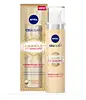
SVR Sebiaclear Serum Versus Nivea Cellular Luminous630 Anti Dark-Spot Tinted Fluid Double Corrector SPF 20
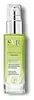
This acne serum is formulated around Gluconolactone and Niacinamide to clear breakouts and refine the look of pores.


What's inside
What's inside
 Key Ingredients
Benefits
Concerns
Ingredients Side-by-side
Water
Skin ConditioningGluconolactone
Chelating







Dicaprylyl Carbonate
EmollientNiacinamide
Smoothing




Propanediol
Solvent
Dimethicone
Emollient
Glycerin
Humectant
Sodium Hydroxide
BufferingPseudoalteromonas Ferment Extract
Humectant

Biosaccharide Gum-4
Skin Conditioning
Camellia Japonica Flower Extract
EmollientCetearyl Dimethicone Crosspolymer
Crithmum Maritimum Extract
Skin ConditioningPentaerythrityl Tetra-Di-T-Butyl Hydroxyhydrocinnamate
Antioxidant
Sclerotium Gum
Emulsion StabilisingSodium Hyaluronate
Humectant
Tocopherol
Antioxidant
1,2-Hexanediol
Skin Conditioning
Caprylic/Capric Triglyceride
Masking
Cetearyl Alcohol
Emollient



Glyceryl Stearate
Emollient
Hydrogenated Vegetable Oil
Emollient
Methyl Methacrylate Crosspolymer
PEG-100 Stearate
Surfactant
Coco-Glucoside
Cleansing
Sodium Salicylate
Preservative
Parfum
Masking


Water, Gluconolactone, Dicaprylyl Carbonate, Niacinamide, Propanediol, Dimethicone, Glycerin, Sodium Hydroxide, Pseudoalteromonas Ferment Extract, Biosaccharide Gum-4, Camellia Japonica Flower Extract, Cetearyl Dimethicone Crosspolymer, Crithmum Maritimum Extract, Pentaerythrityl Tetra-Di-T-Butyl Hydroxyhydrocinnamate, Sclerotium Gum, Sodium Hyaluronate, Tocopherol, 1,2-Hexanediol, Caprylic/Capric Triglyceride, Cetearyl Alcohol, Glyceryl Stearate, Hydrogenated Vegetable Oil, Methyl Methacrylate Crosspolymer, PEG-100 Stearate, Coco-Glucoside, Sodium Salicylate, Parfum
Water
Skin ConditioningC12-15 Alkyl Benzoate
AntimicrobialGlycerin
Humectant
Alcohol Denat.
Antimicrobial

Butyl Methoxydibenzoylmethane
UV Absorber
Ethylhexyl Salicylate
UV Absorber
Butylene Glycol Dicaprylate/Dicaprate
EmollientCetearyl Alcohol
Emollient
Dibutyl Adipate
EmollientDistarch Phosphate
AbsorbentGlyceryl Stearate
Emollient
Bis-Ethylhexyloxyphenol Methoxyphenyl Triazine
UV Absorber
Isobutylamido Thiazolyl Resorcinol
Bleaching
Sodium Hyaluronate
Humectant
Tocopheryl Acetate
Antioxidant
Ethylhexylglycerin
Skin ConditioningDiethylamino Hydroxybenzoyl Hexyl Benzoate
UV Filter
Phenylbenzimidazole Sulfonic Acid
UV Absorber
Sodium Stearoyl Glutamate
CleansingXanthan Gum
EmulsifyingCellulose Acetate
Magnesium Stearate
Cosmetic ColorantSodium Chloride
MaskingTrisodium EDTA
ChelatingSodium Hydroxide
BufferingPhenoxyethanol
Preservative
Parfum
Masking
CI 77891
Cosmetic ColorantCI 77492
Cosmetic ColorantCI 77491
Cosmetic ColorantCI 77499
Cosmetic ColorantWater, C12-15 Alkyl Benzoate, Glycerin, Alcohol Denat., Butyl Methoxydibenzoylmethane, Ethylhexyl Salicylate, Butylene Glycol Dicaprylate/Dicaprate, Cetearyl Alcohol, Dibutyl Adipate, Distarch Phosphate, Glyceryl Stearate, Bis-Ethylhexyloxyphenol Methoxyphenyl Triazine, Isobutylamido Thiazolyl Resorcinol, Sodium Hyaluronate, Tocopheryl Acetate, Ethylhexylglycerin, Diethylamino Hydroxybenzoyl Hexyl Benzoate, Phenylbenzimidazole Sulfonic Acid, Sodium Stearoyl Glutamate, Xanthan Gum, Cellulose Acetate, Magnesium Stearate, Sodium Chloride, Trisodium EDTA, Sodium Hydroxide, Phenoxyethanol, Parfum, CI 77891, CI 77492, CI 77491, CI 77499
Reviews
Ingredients Explained
These ingredients are found in both products.
Ingredients higher up in an ingredient list are typically present in a larger amount.
Cetearyl alcohol is a waxy mixture of two fatty alcohols: cetyl alcohol and stearyl alcohol. It is an emollient and emulsifier.
Despite having "alcohol" in its name, it has nothing to do with drying solvent alcohols; the FDA also allows "alcohol-free" products to contain fatty alcohols like this ingredient.
It plays several roles in a formula:
Typical use levels for this ingredient sit around 1-10% and the Cosmetic Ingredient Review Expert Panel has affirmed safety at concentrations up to 25% in leave-on products.
Multiple assessments have found it to be non-irritating and non-sensitizing to most people.
However, there have been some cases of allergic contact dermatitis in patients with chronically compromised skin barriers.
Cetearyl alcohol has a comedogenic rating of 2 and irritancy rating of 1. Both of these numbers come from the 1989 study that used rabbit ears; a "2" means mildly comedogenic and a "1" means low irritancy.
Here's the catch: rabbit skin is more sensitive than human skin and throws a lot of false positives. A 1996 reappraisal found that ingredients rated 1-2 in the rabbit ear tests are generally safe for humans.
Remember comedogenic ratings are unable to assess the entire formula of a product or how it will react on your skin. Just be sure to patch test if you are unsure about certain ingredients.
This ingredient is not fungal acne safe. Cetearyl alcohol is a fatty alcohol with chain lengths that fall within the range that Malassezia can metabolize.
A 2019 study has also observed Malassezia growth in the presence of this ingredient, confirming it to be not-fungal acne safe.
Learn more about Cetearyl AlcoholGlycerin (or glycerol) is a compound naturally found in your skin. It's a powerhouse humectant that pulls water into the stratum corneum.
Topically, glycerin does several things at once:
Your skin makes glycerin on its own (mostly from sebaceous oil breakdown) and shuttles it to your outermost layer of skin, or your epidermis, via aquaporin-3.
Aquaporin-3 is a transporter that is essential for normal skin hydration, elasticity, and repair. Interestingly, mice lacking in AQP3 have dry and less elastic skin that can be fully corrected with glycerin.
This ingredient is non-irritating, plays well with almost every ingredient, and works across all skin types. Typical use is anywhere between 3-10% but can go up to 79% in some leave-on products.
Just know very high concentrations (>40%) can feel tacky in low humidity.
Glycerin is the name for this ingredient in American English. British English uses Glycerol/Glycerine.
Learn more about GlycerinGlyceryl Stearate is made by reacting glycerin with stearic acid (typically sourced from plant oils like palm or coconut). It's an emulsifier, emollient, and mild occlusive.
Emulsifiers help ingredients like oil and water stay mixed so your formula stays nicely blended and uniform in texture.
This ingredient is typically used in concentrations between 1-10%. Studies have found it to be non-sensitizing, non-phototoxic, and non-photoallergenic.
A close cousin of this ingredient is Glyceryl Stearate SE ("self-emulsifying"). This just has a small amount of sodium or potassium stearate added so it can emulsify without a co-emulsifier.
Since this ingredient is an ester of a C18 fatty acid, it may not be fungal acne safe. The Malassezia yeast can potentially metabolize within the C11-C24 range.
Fun fact: The human body also creates Glyceryl Stearate naturally.
Learn more about Glyceryl StearateParfum is a catch-all term for an ingredient or more that is used to give a scent to products.
Also called "fragrance", this ingredient can be a blend of hundreds of chemicals or plant oils. This means every product with "fragrance" or "parfum" in the ingredients list is a different mixture.
For instance, Habanolide is a proprietary trade name for a specific aroma chemical. When used as a fragrance ingredient in cosmetics, most aroma chemicals fall under the broad labeling category of “FRAGRANCE” or “PARFUM” according to EU and US regulations.
The term 'parfum' or 'fragrance' is not regulated in many countries. In many cases, it is up to the brand to define this term.
For instance, many brands choose to label themselves as "fragrance-free" because they are not using synthetic fragrances. However, their products may still contain ingredients such as essential oils that are considered a fragrance by INCI standards.
One example is Calendula flower extract. Calendula is an essential oil that still imparts a scent or 'fragrance'.
Depending on the blend, the ingredients in the mixture can cause allergies and sensitivities on the skin. Some ingredients that are known EU allergens include linalool and citronellol.
Parfum can also be used to mask or cover an unpleasant scent.
The bottom line is: not all fragrances/parfum/ingredients are created equally. If you are worried about fragrances, we recommend taking a closer look at an ingredient. And of course, we always recommend speaking with a professional.
Learn more about ParfumSodium Hyaluronate is the salt form of hyaluronic acid. It is a long sugar chain that is naturally found in your skin, joints, and connective tissue that maintains hydration and elasticity.
In skincare, it works as a humectant. It pulls water from the environment and deeper layers of skin and binds it to the surface.
Interestingly, the size of the molecule affects its behavior:
Some clinical evidence links low molecular weight versions to improved wrinkle depth, elasticity, anti-inflammatory effects, and barrier repair.
Many serums use a blend of both weights so you can get surface hydration plus longer-lasting and deeper effects.
You'll typically see concentrations between 0.1-2% for this ingredient.
Learn more about Sodium HyaluronateSodium Hydroxide is also known as lye or caustic soda. It is used to adjust the pH of products; many ingredients require a specific pH to be effective.
In small amounts, sodium hydroxide is considered safe to use. However, large amounts may cause chemical burns due to its high alkaline.
Your skin has a natural pH and acid mantle. This acid mantle helps prevent harmful bacteria from breaking through. The acid mantle also helps keep your skin hydrated.
"Alkaline" refers to a high pH level. A low pH level would be considered acidic.
Learn more about Sodium HydroxideWater. It's the most common cosmetic ingredient of all. You'll usually see it at the top of ingredient lists, meaning that it makes up the largest part of the product.
So why is it so popular? Water most often acts as a solvent - this means that it helps dissolve other ingredients into the formulation.
You'll also recognize water as that liquid we all need to stay alive. If you see this, drink a glass of water. Remember to stay hydrated!
Learn more about Water

