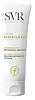
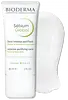
SVR Sebiaclear Hydra Versus Bioderma Sébium Global

What's inside
What's inside
 Key Ingredients
Benefits
Concerns
Ingredients Side-by-side
Water
Skin ConditioningCaprylic/Capric Triglyceride
Masking


Niacinamide
Smoothing










Butyrospermum Parkii Butter Extract
Skin Conditioning
Glycerin
Humectant
Butyrospermum Parkii Butter
Skin Conditioning

Methyl Methacrylate Crosspolymer
Cyclopentasiloxane
Emollient
Cetyl Alcohol
Emollient
Glyceryl Stearate
Emollient
Cetyl Dimethicone
Emollient
Saccharide Isomerate
Humectant
Argania Spinosa Kernel Oil
Emollient
Dimethicone Crosspolymer-3
Skin Conditioning
Glycolipids
Skin ConditioningGlycosphingolipids
EmollientSpent Grain Wax
Skin Conditioning
Tocopherol
Antioxidant

1,2-Hexanediol
Skin Conditioning
Caprylyl Glycol
Emollient
Ceteth-20
CleansingCitric Acid
Buffering

PEG-75 Stearate
Pentylene Glycol
Skin Conditioning
Sodium Citrate
BufferingSodium Polyacrylate Starch
AbsorbentSteareth-20
CleansingParfum
Masking


Water, Caprylic/Capric Triglyceride, Niacinamide, Butyrospermum Parkii Butter Extract, Glycerin, Butyrospermum Parkii Butter, Methyl Methacrylate Crosspolymer, Cyclopentasiloxane, Cetyl Alcohol, Glyceryl Stearate, Cetyl Dimethicone, Saccharide Isomerate, Argania Spinosa Kernel Oil, Dimethicone Crosspolymer-3, Glycolipids, Glycosphingolipids, Spent Grain Wax, Tocopherol, 1,2-Hexanediol, Caprylyl Glycol, Ceteth-20, Citric Acid, PEG-75 Stearate, Pentylene Glycol, Sodium Citrate, Sodium Polyacrylate Starch, Steareth-20, Parfum
Water
Skin ConditioningC12-13 Alkyl Lactate
EmollientCitric Acid
Buffering
Dipropylene Glycol
HumectantCyclopentasiloxane
Emollient
Sodium Hydroxide
BufferingGlycerin
Humectant
Methyl Methacrylate Crosspolymer
Zinc Gluconate
Skin Conditioning
Salicylic Acid
Masking


Arachidyl Alcohol
Emollient
Dimethicone
Emollient
Behenyl Alcohol
Emollient
Glyceryl Stearate
Emollient
PEG-100 Stearate
Silica
Abrasive
Xanthan Gum
EmulsifyingArachidyl Glucoside
EmulsifyingC30-45 Alkyl Cetearyl Dimethicone Crosspolymer
Emollient
Hydroxyethyl Acrylate/Sodium Acryloyldimethyl Taurate Copolymer
Emulsion StabilisingGlycyrrhetinic Acid
Skin Conditioning
Squalane
Emollient
Bakuchiol
Antimicrobial
Sodium Metabisulfite
Antioxidant
Xylitol
Humectant
Propylene Glycol
Humectant
Polysorbate 60
Emulsifying
Sorbitan Isostearate
Emulsifying
Fructooligosaccharides
Humectant
Mannitol
Humectant
Propyl Gallate
Antioxidant
Caprylic/Capric Triglyceride
Masking
Ginkgo Biloba Leaf Extract
Skin Conditioning
Rhamnose
HumectantLaminaria Ochroleuca Extract
Skin Conditioning
Parfum
Masking
Water, C12-13 Alkyl Lactate, Citric Acid, Dipropylene Glycol, Cyclopentasiloxane, Sodium Hydroxide, Glycerin, Methyl Methacrylate Crosspolymer, Zinc Gluconate, Salicylic Acid, Arachidyl Alcohol, Dimethicone, Behenyl Alcohol, Glyceryl Stearate, PEG-100 Stearate, Silica, Xanthan Gum, Arachidyl Glucoside, C30-45 Alkyl Cetearyl Dimethicone Crosspolymer, Hydroxyethyl Acrylate/Sodium Acryloyldimethyl Taurate Copolymer, Glycyrrhetinic Acid, Squalane, Bakuchiol, Sodium Metabisulfite, Xylitol, Propylene Glycol, Polysorbate 60, Sorbitan Isostearate, Fructooligosaccharides, Mannitol, Propyl Gallate, Caprylic/Capric Triglyceride, Ginkgo Biloba Leaf Extract, Rhamnose, Laminaria Ochroleuca Extract, Parfum
Reviews
Ingredients Explained
These ingredients are found in both products.
Ingredients higher up in an ingredient list are typically present in a larger amount.
This ingredient is a lightweight emollient, solvent, and texture enhancer. It is considered a skin-softener by helping the skin prevent moisture loss.
It helps thicken a product's formula and makes it easier to spread by dissolving clumping compounds.
Caprylic Triglyceride is made by combining glycerin with coconut oil, forming a clear liquid. Though it behaves like an oil, it is not technically one due to its chemical composition. It is very stable, resistant to oxidation, and unlikely to go rancid. In practice, that translates to a long shelf life and a consistently elegant skin feel.
While there is an assumption Caprylic Triglyceride can clog pores due to it being derived from coconut oil, there is no research supporting this. Be sure to patch test if you have concerns.
Fractionated coconut oil and MCT Oil are both listed as Caprylic/Capric Triglyceride according to INCI. This is because INCI names are based on the ingredient’s final chemical composition and not its marketing name or source.
Learn more about Caprylic/Capric TriglycerideCitric Acid is an alpha hydroxy acid (AHA) naturally found in citrus fruits like oranges, lemons, and limes.
Like other AHAs, citric acid can exfoliate skin by breaking down the bonds that hold dead skin cells together. This helps reveal smoother and brighter skin underneath.
However, this exfoliating effect only happens at high concentrations (20%) which can be hard to find in cosmetic products.
Due to this, citric acid is usually included in small amounts as a pH adjuster. This helps keep products slightly more acidic and compatible with skin's natural pH.
In skincare formulas, citric acid can:
While it can provide some skin benefits, research shows lactic acid and glycolic acid are generally more effective and less irritating exfoliants.
Most citric acid used in skincare today is made by fermenting sugars (usually from molasses). This synthetic version is identical to the natural citrus form but easier to stabilize and use in formulations.
Read more about some other popular AHA's here:
Learn more about Citric AcidCyclopentasiloxane, or D5, is a silicone used to improve texture of products and trap moisture.
D5 is considered lightweight and volatile. Volatile means it evaporates quickly after application. Once evaporated, D5 leaves a thin barrier that helps keep skin hydrated.
It is also an emollient. Emollients help soften the skin and prevent water loss. Silicones create a silky texture in products. D5 helps other ingredients become more spreadable.
Studies show D5 is safe to use in skincare products. We recommend speaking with a skincare professional if you have concerns.
Learn more about CyclopentasiloxaneGlycerin (or glycerol) is a compound naturally found in your skin. It's a powerhouse humectant that pulls water into the stratum corneum.
Topically, glycerin does several things at once:
Your skin makes glycerin on its own (mostly from sebaceous oil breakdown) and shuttles it to your outermost layer of skin, or your epidermis, via aquaporin-3.
Aquaporin-3 is a transporter that is essential for normal skin hydration, elasticity, and repair. Interestingly, mice lacking in AQP3 have dry and less elastic skin that can be fully corrected with glycerin.
This ingredient is non-irritating, plays well with almost every ingredient, and works across all skin types. Typical use is anywhere between 3-10% but can go up to 79% in some leave-on products.
Just know very high concentrations (>40%) can feel tacky in low humidity.
Glycerin is the name for this ingredient in American English. British English uses Glycerol/Glycerine.
Learn more about GlycerinGlyceryl Stearate is made by reacting glycerin with stearic acid (typically sourced from plant oils like palm or coconut). It's an emulsifier, emollient, and mild occlusive.
Emulsifiers help ingredients like oil and water stay mixed so your formula stays nicely blended and uniform in texture.
This ingredient is typically used in concentrations between 1-10%. Studies have found it to be non-sensitizing, non-phototoxic, and non-photoallergenic.
A close cousin of this ingredient is Glyceryl Stearate SE ("self-emulsifying"). This just has a small amount of sodium or potassium stearate added so it can emulsify without a co-emulsifier.
Since this ingredient is an ester of a C18 fatty acid, it may not be fungal acne safe. The Malassezia yeast can potentially metabolize within the C11-C24 range.
Fun fact: The human body also creates Glyceryl Stearate naturally.
Learn more about Glyceryl StearateThis ingredient comes as a powder made up of small, porous, microbeads. It is used to add a silky feel to products and also helps absorb oil.
Parfum is a catch-all term for an ingredient or more that is used to give a scent to products.
Also called "fragrance", this ingredient can be a blend of hundreds of chemicals or plant oils. This means every product with "fragrance" or "parfum" in the ingredients list is a different mixture.
For instance, Habanolide is a proprietary trade name for a specific aroma chemical. When used as a fragrance ingredient in cosmetics, most aroma chemicals fall under the broad labeling category of “FRAGRANCE” or “PARFUM” according to EU and US regulations.
The term 'parfum' or 'fragrance' is not regulated in many countries. In many cases, it is up to the brand to define this term.
For instance, many brands choose to label themselves as "fragrance-free" because they are not using synthetic fragrances. However, their products may still contain ingredients such as essential oils that are considered a fragrance by INCI standards.
One example is Calendula flower extract. Calendula is an essential oil that still imparts a scent or 'fragrance'.
Depending on the blend, the ingredients in the mixture can cause allergies and sensitivities on the skin. Some ingredients that are known EU allergens include linalool and citronellol.
Parfum can also be used to mask or cover an unpleasant scent.
The bottom line is: not all fragrances/parfum/ingredients are created equally. If you are worried about fragrances, we recommend taking a closer look at an ingredient. And of course, we always recommend speaking with a professional.
Learn more about ParfumWater. It's the most common cosmetic ingredient of all. You'll usually see it at the top of ingredient lists, meaning that it makes up the largest part of the product.
So why is it so popular? Water most often acts as a solvent - this means that it helps dissolve other ingredients into the formulation.
You'll also recognize water as that liquid we all need to stay alive. If you see this, drink a glass of water. Remember to stay hydrated!
Learn more about Water
