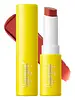
This barrier-repair lip moisturizer is formulated around Bis-Diglyceryl Polyacyladipate-2 and Butyrospermum Parkii Butter to strengthen the lip barrier and hydrate lips.

What's inside
What's inside
 Key Ingredients
No key ingredients
Benefits
Concerns
Ingredients Side-by-side
Zinc Oxide 17.5%
Cosmetic Colorant


Ricinus Communis Seed Oil
Masking




Caprylic/Capric Triglyceride
Masking

Jojoba Esters
Emollient
Euphorbia Cerifera Wax
Persea Gratissima Oil
Skin Conditioning

Bis-Diglyceryl Polyacyladipate-2
Emollient
Aroma

Simmondsia Chinensis Seed Oil
Emollient
Argania Spinosa Kernel Oil
Emollient

Tocopheryl Acetate
Antioxidant


Copernicia Cerifera Wax
Stevioside
MaskingCetearyl Ethylhexanoate
Emollient
Synthetic Fluorphlogopite
Isostearic Acid
Cleansing
Lecithin
Emollient
Polyhydroxystearic Acid
Emulsifying
Polyglyceryl-3 Polyricinoleate
Emulsifying
Butyrospermum Parkii Butter
Skin Conditioning
Mangifera Indica Seed Butter
Skin Conditioning
Astrocaryum Murumuru Seed Butter
Emollient
Calcium Sodium Borosilicate
Rosa Canina Fruit Oil
Emollient
Sorbitan Isostearate
Emulsifying
Bisabolol
Antioxidant
Vaccinium Macrocarpon Seed Oil
Skin Conditioning
Portulaca Pilosa Extract
Skin ConditioningTocopherol
Antioxidant
Ascorbyl Palmitate
Antioxidant
Sucrose Cocoate
Emulsifying
Glycine Soja Oil
Emollient
Palmitoyl Tripeptide-38
Skin Conditioning

Tin Oxide
Abrasive
Titanium Dioxide
Cosmetic Colorant
CI 45410
Cosmetic ColorantIron Oxides
CI 19140
Cosmetic ColorantCI 15850
Cosmetic ColorantCI 15985
Cosmetic ColorantCI 42090
Cosmetic ColorantZinc Oxide 17.5%, Ricinus Communis Seed Oil, Caprylic/Capric Triglyceride, Jojoba Esters, Euphorbia Cerifera Wax, Persea Gratissima Oil, Bis-Diglyceryl Polyacyladipate-2, Aroma, Simmondsia Chinensis Seed Oil, Argania Spinosa Kernel Oil, Tocopheryl Acetate, Copernicia Cerifera Wax, Stevioside, Cetearyl Ethylhexanoate, Synthetic Fluorphlogopite, Isostearic Acid, Lecithin, Polyhydroxystearic Acid, Polyglyceryl-3 Polyricinoleate, Butyrospermum Parkii Butter, Mangifera Indica Seed Butter, Astrocaryum Murumuru Seed Butter, Calcium Sodium Borosilicate, Rosa Canina Fruit Oil, Sorbitan Isostearate, Bisabolol, Vaccinium Macrocarpon Seed Oil, Portulaca Pilosa Extract, Tocopherol, Ascorbyl Palmitate, Sucrose Cocoate, Glycine Soja Oil, Palmitoyl Tripeptide-38, Tin Oxide, Titanium Dioxide, CI 45410, Iron Oxides, CI 19140, CI 15850, CI 15985, CI 42090
C12-15 Alkyl Ethylhexanoate
EmollientDiisostearyl Malate
EmollientTridecyl Trimellitate
EmollientCeresin
Emulsion StabilisingBis-Diglyceryl Polyacyladipate-2
Emollient
Butyrospermum Parkii Butter
Skin Conditioning
Vinyl Dimethicone/Methicone Silsesquioxane Crosspolymer

Hydrogenated Polyisobutene
EmollientSorbitan Sesquioleate
Emulsifying
1,2-Hexanediol
Skin Conditioning
Parfum
Masking
Helianthus Annuus Seed Oil
Emollient
Gardenia Florida Fruit Extract
Skin ConditioningNelumbo Nucifera Flower Extract
Skin ConditioningNymphaea Odorata Root Extract
RefreshingLinalool
Perfuming
CI 77891
Cosmetic ColorantIron Oxides
CI 15850
Cosmetic ColorantCI 42090
Cosmetic ColorantC12-15 Alkyl Ethylhexanoate, Diisostearyl Malate, Tridecyl Trimellitate, Ceresin, Bis-Diglyceryl Polyacyladipate-2, Butyrospermum Parkii Butter, Vinyl Dimethicone/Methicone Silsesquioxane Crosspolymer, Hydrogenated Polyisobutene, Sorbitan Sesquioleate, 1,2-Hexanediol, Parfum, Helianthus Annuus Seed Oil, Gardenia Florida Fruit Extract, Nelumbo Nucifera Flower Extract, Nymphaea Odorata Root Extract, Linalool, CI 77891, Iron Oxides, CI 15850, CI 42090
Reviews
Alternatives
Ingredients Explained
These ingredients are found in both products.
Ingredients higher up in an ingredient list are typically present in a larger amount.
Bis-Diglyceryl Polyacyladipate-2 is a synthetic emollient that works as a lanolin substitute.
This ingredient is a great vegan option for those avoiding animal-derived ingredients.
It mostly stays on the surface of skin where it helps hydrate due to its large molecular size and low water solubility.
Due to it being derived from fatty acids, this ingredient may not be Malassezia or fungal acne safe.
Learn more about Bis-Diglyceryl Polyacyladipate-2This ingredient is also known as shea butter. It is a plant-derived extract from the nuts of the Africa shea tree and one of the most well-studied emollients.
Because it has a high concentration of fatty acids (primarily oleic, stearic, and linoleic) it is able to form a protective barrier on the skin's surface. This helps seal in moisture and prevents transepidermal water loss (TEWL).
In vitro research found an increase in skin hydration by 58% and a decrease in TEWL by 37.8% after 24 hours of applying this ingredient (pretty impressive for a single ingredient!).
Besides hydration, shea butter also contains triterpenes that have anti-inflammatory potential. In particule, lupeol cinnamate has shown the highest anti-inflammatory activity in vivo.
Shea butter also contains vitamins A and E which may contribute to antioxidant activity.
While Shea Butter has an SPF rating of about 3-4, it is not a sunscreen replacement.
This ingredient may not be fungal acne safe because its fatty acids fall within the C11-C24 range that the Malassezia yeast can metabolize.
This ingredient shows up on a lot of "pore-clogging" lists but there's no real evidence behind that. It doesn't even have a comedogenic rating from an actual study; the numbers you'll find online come from blogs citing other blogs.
Ratings for other ingredients mostly come from a 1980s rabbit ear test. This test doesn't translate well to human skin or to real products because the ingredient sits at a much lower percentage.
Some people still find it breaks them out. So if that's you, definitely trust your skin. Just know this one's based on experience and not evidence.
Learn more about Butyrospermum Parkii ButterCi 15850 is the pigment color red. It is an azo dye and created synthetically.
Azo dyes need to be thoroughly purified before use. This allows them to be more stable and longer-lasting.
This ingredient is common in foundations, lipsticks, and blushes. This color is described as brown/orangey red.
It has many secondary names such as Red 6 and Red 7. According to a manufacturer, Red 6 usually contains aluminum.
Learn more about CI 15850Ci 42090 is a synthetic dye created from petroleum. It is used to give a bright blue color to cosmetics, medicine, and food.
This ingredient is a combination of red, black, and yellow iron oxide pigments. This combination of colors is usually found in foundation, because it results in a "skin" color.
The EU typically uses CI numbers for colorants when applicable, such as CI 77489. In the US, iron oxides are regulated as color additives and "iron oxides" is the most commonly used name in US cosmetic practice.
A 2021 paper looked at skincare formulations containing iron oxides and found that they reduced transmission of blue light when measured optically. In simple terms, the pigment particles helped block or scatter part of the visible light spectrum in lab testing and the authors suggest this could translate into better protection against blue-light-related skin effects.
There is also clinical and experimental research showing that tinted products containing iron oxides can reduce visible light-induced pigmentation:
Please note, whether a product reduces visible or blue light depends on things like:
In the EU's CosIng database, iron oxides are only listed as a colorant. CosIng groups ingredients by their main cosmetic role, such as colorant, preservative, or UV filter.
Though studies say iron oxides can "attenuate blue light", they're describing an optical property and not an officially recognized cosmetic function.
So CosIng isn’t contradicting the research. It’s just classifying iron oxides by what they officially are: pigments that add color.
Learn more about Iron Oxides

