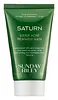
This acne treatment is formulated around Sulfur and Niacinamide to clear breakouts and balance excess oil.

What's inside
What's inside
 Key Ingredients
Benefits
Concerns
Ingredients Side-by-side
Water
Skin ConditioningSulfur
Antiseborrhoeic



Isoamyl Laurate
Emollient

Cetyl Ethylhexanoate
EmollientNiacinamide
Smoothing










Acacia Senegal Gum
MaskingBentonite
Absorbent
Hydroxyethyl Acrylate/Sodium Acryloyldimethyl Taurate Copolymer
Emulsion StabilisingPolyglyceryl-2 Caprate
EmulsifyingOlive Oil Glycereth-8 Esters
Emollient
Zinc PCA
Humectant
Allantoin
Skin Conditioning
Dipotassium Glycyrrhizate
Humectant
Melaleuca Alternifolia Leaf Oil
Antioxidant



Leptospermum Scoparium Branch/Leaf Oil
Tonic
Curcuma Longa Root Extract
Antioxidant
Corallina Officinalis Extract
Skin Conditioning
Melia Azadirachta Leaf Extract
Skin ConditioningAmber Powder
Melia Azadirachta Flower Extract
Skin ConditioningCoccinia Indica Fruit Extract
Skin Conditioning
Solanum Lycopersicum Leaf Extract
Skin ConditioningOcimum Basilicum Flower/Leaf Extract
TonicQuartz
Abrasive
Polysorbate 60
Emulsifying
Sorbitan Isostearate
Emulsifying
Tocopherol
Antioxidant
Disodium EDTA
Phenoxyethanol
Preservative
Polysorbate 20
Emulsifying
Alcohol Denat.
Antimicrobial
Chlorphenesin
Antimicrobial
PEG-40 Hydrogenated Castor Oil
Emulsifying
Caprylyl Glycol
Emollient
Water, Sulfur, Isoamyl Laurate, Cetyl Ethylhexanoate, Niacinamide, Acacia Senegal Gum, Bentonite, Hydroxyethyl Acrylate/Sodium Acryloyldimethyl Taurate Copolymer, Polyglyceryl-2 Caprate, Olive Oil Glycereth-8 Esters, Zinc PCA, Allantoin, Dipotassium Glycyrrhizate, Melaleuca Alternifolia Leaf Oil, Leptospermum Scoparium Branch/Leaf Oil, Curcuma Longa Root Extract, Corallina Officinalis Extract, Melia Azadirachta Leaf Extract, Amber Powder, Melia Azadirachta Flower Extract, Coccinia Indica Fruit Extract, Solanum Lycopersicum Leaf Extract, Ocimum Basilicum Flower/Leaf Extract, Quartz, Polysorbate 60, Sorbitan Isostearate, Tocopherol, Disodium EDTA, Phenoxyethanol, Polysorbate 20, Alcohol Denat., Chlorphenesin, PEG-40 Hydrogenated Castor Oil, Caprylyl Glycol
Water
Skin ConditioningMontmorillonite
AbsorbentIllite
Abrasive
Squalane
Emollient
Glycerin
Humectant
Cetearyl Alcohol
Emollient

Cetearyl Olivate
Sodium Lauroyl Lactylate
EmulsifyingKaolin
Abrasive
Sorbitan Olivate
Emulsifying
Propanediol
Solvent
Melaleuca Alternifolia Leaf Oil
Antioxidant
Ocimum Sanctum Leaf Extract
Skin ConditioningCentella Asiatica Extract
Cleansing
Lavandula Angustifolia Oil
Masking
Camellia Sinensis Leaf Powder
Phenoxyethanol
Preservative
Ethylhexylglycerin
Skin ConditioningPotassium Sorbate
Preservative
Sodium Phytate
Linalool
Perfuming
Water, Montmorillonite, Illite, Squalane, Glycerin, Cetearyl Alcohol, Cetearyl Olivate, Sodium Lauroyl Lactylate, Kaolin, Sorbitan Olivate, Propanediol, Melaleuca Alternifolia Leaf Oil, Ocimum Sanctum Leaf Extract, Centella Asiatica Extract, Lavandula Angustifolia Oil, Camellia Sinensis Leaf Powder, Phenoxyethanol, Ethylhexylglycerin, Potassium Sorbate, Sodium Phytate, Linalool
Ingredients Explained
These ingredients are found in both products.
Ingredients higher up in an ingredient list are typically present in a larger amount.
This ingredient is also known as tea tree oil. It has antioxidant, anti-inflammatory, and antimicrobial properties.
Tea tree oil is a complex lipophilic (fat-loving) oil that contains around 100 compounds with terpinen-4-ol being the most abundant (~40%).
Terpinen-4-ol is responsible for tea tree oil's broad-spectrum antimicrobial activity and makes it a well-researched option for acne.
Clinical studies support 5% tea tree oil as an effective topical treatment for mild to moderate acne. A study with 124 patients compared 5% tea tree oil gel to 5% benzoyl peroxide and both reduced acne (though tea tree oil worked more slowly).
Besides acne, it is also seen in anti-dandruff shampoos and scalp treatments for it's antimicrobial and anti-seborrheic properties.
Safety-wise, the allergic potential of low concentrations on healthy skin is considered low. However, oxidized (old or improperly stored) tea tree oil is a stronger sensitizer.
Irritation can also occur if using the undiluted oil on skin; it's best to use this ingredient as part of a carefully crafted cosmetic formula. This is because regulations require tea tree oil in cosmetics to be stabilized to prevent degradation.
This ingredient has been deemed safe up to 2% in shampoo, 1% in cleansers, and 0.1% in face cream by the EU's Scientific Committee on Consumer Safety (SCCS).
There is some lab evidence that tea tree oil is antifungal against Malassezia, but it is a supportive option at best and not a replacement for proven antifungal treatments.
Learn more about Melaleuca Alternifolia Leaf OilPhenoxyethanol is one of the most widely used preservatives in skincare (and for good reason!).
It has a large spectrum of antimicrobial activity and especially effective bacteria, yeast, and mold while only having a weak effect on your skin's natural microbiome.
On a cellular level, it disrupts the cell membranes of microbes by poking holes that make the cell leak. This shuts down the chemical reactions the microbe needs to make energy so it can no longer survive.
Another perk of this ingredient is that it stays functional across a wide pH range (3-10).
You'll often see it paired with boosters like Ethylhexylglycerin; one study showed that a 1:9 ratio of Ethylhexylglycerin to Phenoxyethanol damages bacterial membranes as effectively as doubling the Phenoxyethanol concentration on its own.
Typical use concentrations range from 0.3-1% depending on the formula, and this ingredient is capped at 1% int the EU.
Safety-wise, the fear mongering does not hold up to the evidence. The EU's Scientific Committee on Consumer Safety and FDA consider it safe as a preservative at up to 1%, including for children of all ages.
Adverse systemic effects only showed up in animal studies at exposures roughly 200x higher than what people get from cosmetics. And despite its very widespread use, this ingredient is a rare sensitizer and allergic reactions are uncommon.
Learn more about PhenoxyethanolWater. It's the most common cosmetic ingredient of all. You'll usually see it at the top of ingredient lists, meaning that it makes up the largest part of the product.
So why is it so popular? Water most often acts as a solvent - this means that it helps dissolve other ingredients into the formulation.
You'll also recognize water as that liquid we all need to stay alive. If you see this, drink a glass of water. Remember to stay hydrated!
Learn more about Water

