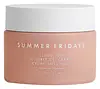
This barrier-repair moisturizer is formulated around Sodium Hyaluronate and Hydrolyzed Sodium Hyaluronate to strengthen the skin barrier and hydrate skin.
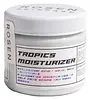
This brightening moisturizer is formulated around Kojic Acid to fade the look of dark spots and brighten dull-looking skin.

What's inside
What's inside
 Key Ingredients
Benefits
Concerns
Ingredients Side-by-side
Water
Skin ConditioningPropanediol
Solvent

Dicaprylyl Carbonate
EmollientGlycerin
Humectant
Pentylene Glycol
Skin Conditioning
Sodium Hyaluronate
Humectant


Hydrolyzed Sodium Hyaluronate
Skin Conditioning
Glycine
Buffering
Serine
Masking
Glutamic Acid
Humectant
Aspartic Acid
Masking
Leucine
Skin ConditioningAlanine
Masking
Lysine
Skin ConditioningArginine
Masking
Tyrosine
MaskingPhenylalanine
Masking
Proline
Skin Conditioning
Threonine
Valine
MaskingIsoleucine
Skin ConditioningHistidine
Humectant
Ascorbic Acid
Antioxidant




Saccharide Isomerate
Humectant
Haematococcus Pluvialis Extract
Antioxidant
Ceramide NP
Skin Conditioning
Tocopheryl Acetate
Antioxidant
Tocopherol
Antioxidant
Hexapeptide-11
Skin Conditioning
Palmitoyl Tripeptide-1
Skin Conditioning
Ananas Sativus Fruit Extract
Skin ConditioningSaccharomyces/Magnesium Ferment


Saccharomyces/Copper Ferment
Skin Conditioning
Saccharomyces/Silicon Ferment
Skin Conditioning
Butylene Glycol
Humectant
Glyceryl Acrylate/Acrylic Acid Copolymer
HumectantGlyceryl Caprylate
EmollientSucrose Stearate
EmollientLecithin
Emollient
Polyglyceryl-10 Laurate
Skin Conditioning
Xanthan Gum
EmulsifyingCetearyl Olivate
Sorbitan Olivate
Emulsifying
Sodium Citrate
BufferingCarbomer
Emulsion StabilisingCitric Acid
Buffering
Cetearyl Alcohol
Emollient




Sodium Hydroxide
BufferingLactobacillus Ferment
Skin Conditioning
Leuconostoc/Radish Root Ferment Filtrate
Antimicrobial
Hydroxyacetophenone
Antioxidant
CI 77491
Cosmetic ColorantWater, Propanediol, Dicaprylyl Carbonate, Glycerin, Pentylene Glycol, Sodium Hyaluronate, Hydrolyzed Sodium Hyaluronate, Glycine, Serine, Glutamic Acid, Aspartic Acid, Leucine, Alanine, Lysine, Arginine, Tyrosine, Phenylalanine, Proline, Threonine, Valine, Isoleucine, Histidine, Ascorbic Acid, Saccharide Isomerate, Haematococcus Pluvialis Extract, Ceramide NP, Tocopheryl Acetate, Tocopherol, Hexapeptide-11, Palmitoyl Tripeptide-1, Ananas Sativus Fruit Extract, Saccharomyces/Magnesium Ferment, Saccharomyces/Copper Ferment, Saccharomyces/Silicon Ferment, Butylene Glycol, Glyceryl Acrylate/Acrylic Acid Copolymer, Glyceryl Caprylate, Sucrose Stearate, Lecithin, Polyglyceryl-10 Laurate, Xanthan Gum, Cetearyl Olivate, Sorbitan Olivate, Sodium Citrate, Carbomer, Citric Acid, Cetearyl Alcohol, Sodium Hydroxide, Lactobacillus Ferment, Leuconostoc/Radish Root Ferment Filtrate, Hydroxyacetophenone, CI 77491



Reviews
Alternatives
Ingredients Explained
These ingredients are found in both products.
Ingredients higher up in an ingredient list are typically present in a larger amount.
This extract comes from the pineapple fruit. Its main claim to fame is bromelain, a gentle exfoliator that helps remove dead skin cells from the outermost layer of skin.
Exfoliation from bromelain is considered a gentler alternative to physical or chemical exfoliants; this makes it suitable for sensitive skin types.
Beyond exfoliation, this extract also contains natural sugars with humectant properties and some vitamin C.
Overall, this is a well-tolerated and low-risk ingredient unless you have a pineapple allergy.
Learn more about Ananas Sativus Fruit ExtractSorbitan Olivate is created from the fatty acids in olive oil and sorbitol.
This ingredient is an oil in water emulsifier. It helps stabilize a product by preventing oils and waters from separating. Sorbitan Olivate also helps hydrate the skin.
This ingredient is also known as part of Olivem 1000, with Cetearyl Olivate being the other part.
According to a manufacturer, this ingredient helps preserve the natural microbiome of skin. Having a healthy microbiome helps keep our skin healthy and protects against harmful bacteria.
Please note, having a healthy microbiome is different from fungal acne; a healthy microbiome includes small amounts of yeast that normally live on your skin without causing problems.
Fungal acne happens when one type of yeast (Malassezia) grows out of control. This is usually because it's feeding on certain oils or fatty acids. Due to the olive oil base, this ingredient may not be fungal acne safe.
Learn more about Sorbitan OlivateWater. It's the most common cosmetic ingredient of all. You'll usually see it at the top of ingredient lists, meaning that it makes up the largest part of the product.
So why is it so popular? Water most often acts as a solvent - this means that it helps dissolve other ingredients into the formulation.
You'll also recognize water as that liquid we all need to stay alive. If you see this, drink a glass of water. Remember to stay hydrated!
Learn more about Water

