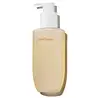
This mild foaming cleanser is made to cleanse without leaving your skin tight or dry.
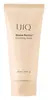
This foaming cleanser uses mild cleansing ingredients, but contains alcohol that may feel drying for some.

What's inside
What's inside
 Key Ingredients
Benefits
Concerns
Ingredients Side-by-side
Water
Skin ConditioningPotassium Cocoyl Glycinate
Surfactant
Disodium Cocoamphodiacetate
CleansingCocamidopropyl Betaine
Cleansing


Acrylates/Beheneth-25 Methacrylate Copolymer
PEG-200 Hydrogenated Glyceryl Palmate
Cleansing
Sodium Chloride
MaskingPentylene Glycol
Skin Conditioning
1,2-Hexanediol
Skin Conditioning
Sodium Methyl Cocoyl Taurate
Cleansing
Caprylyl/Capryl Glucoside
CleansingPEG-7 Glyceryl Cocoate
Emulsifying
Parfum
Masking

Isostearic Acid
Cleansing
Potassium Hydroxide
BufferingButylene Glycol
Humectant
Limonene
Perfuming
Disodium EDTA
Ethylhexylglycerin
Skin ConditioningSodium Benzoate
Masking
Tetrasodium EDTA
Coix Lacryma-Jobi Ma-Yuen Seed Extract
Skin ConditioningCitrus Unshiu Peel Extract
MaskingCastanea Crenata Shell Extract
Skin ConditioningLinalool
Perfuming
Spirodela Polyrhiza Extract
Skin ConditioningDioscorea Japonica Root Extract
Skin Conditioning
Dextrin
AbsorbentTheobroma Cacao Extract
Skin ConditioningRubus Idaeus Fruit Extract
AstringentUlmus Davidiana Root Extract
Skin Conditioning
Salicornia Herbacea Extract
Skin ConditioningMorus Alba Leaf Extract
Skin ConditioningAngelica Keiskei Extract
Antioxidant
Citric Acid
Buffering

Tocopherol
Antioxidant



Water, Potassium Cocoyl Glycinate, Disodium Cocoamphodiacetate, Cocamidopropyl Betaine, Acrylates/Beheneth-25 Methacrylate Copolymer, PEG-200 Hydrogenated Glyceryl Palmate, Sodium Chloride, Pentylene Glycol, 1,2-Hexanediol, Sodium Methyl Cocoyl Taurate, Caprylyl/Capryl Glucoside, PEG-7 Glyceryl Cocoate, Parfum, Isostearic Acid, Potassium Hydroxide, Butylene Glycol, Limonene, Disodium EDTA, Ethylhexylglycerin, Sodium Benzoate, Tetrasodium EDTA, Coix Lacryma-Jobi Ma-Yuen Seed Extract, Citrus Unshiu Peel Extract, Castanea Crenata Shell Extract, Linalool, Spirodela Polyrhiza Extract, Dioscorea Japonica Root Extract, Dextrin, Theobroma Cacao Extract, Rubus Idaeus Fruit Extract, Ulmus Davidiana Root Extract, Salicornia Herbacea Extract, Morus Alba Leaf Extract, Angelica Keiskei Extract, Citric Acid, Tocopherol
Glycerin
Humectant
Water
Skin ConditioningSodium Cocoyl Glycinate
Cleansing
Sodium Lauroyl Glutamate
SurfactantCutibacterium Avidum/Granulosum Ferment Extract Filtrate
Emollient1,2-Hexanediol
Skin Conditioning
Hydroxypropyl Starch Phosphate
Lauryl Betaine
CleansingHydroxyacetophenone
Antioxidant
Ethylhexylglycerin
Skin ConditioningSodium Chloride
MaskingDecylene Glycol
Skin ConditioningButylene Glycol
Humectant
Dipropylene Glycol
HumectantLaminaria Japonica Extract
Skin Protecting
Eclipta Prostrata Leaf Extract
Skin ConditioningHydrogenated Lecithin
Emulsifying
Fructooligosaccharides
Humectant
Ficus Carica Fruit Extract
Humectant
Centella Asiatica Extract
Cleansing
Ulmus Davidiana Root Extract
Skin Conditioning
Beta-Glucan
Skin Conditioning
Amaranthus Caudatus Seed Extract
Skin Conditioning
Fructan
Skin ConditioningTocopherol
Antioxidant
Hydrolyzed Hyaluronic Acid
Humectant
Ceramide NP
Skin Conditioning
Alcohol
Antimicrobial
Protease
Exfoliating
Phenoxyethanol
Preservative
Propanediol
Solvent
Lactobacillus Ferment Lysate
Skin Conditioning
Glycerin, Water, Sodium Cocoyl Glycinate, Sodium Lauroyl Glutamate, Cutibacterium Avidum/Granulosum Ferment Extract Filtrate, 1,2-Hexanediol, Hydroxypropyl Starch Phosphate, Lauryl Betaine, Hydroxyacetophenone, Ethylhexylglycerin, Sodium Chloride, Decylene Glycol, Butylene Glycol, Dipropylene Glycol, Laminaria Japonica Extract, Eclipta Prostrata Leaf Extract, Hydrogenated Lecithin, Fructooligosaccharides, Ficus Carica Fruit Extract, Centella Asiatica Extract, Ulmus Davidiana Root Extract, Beta-Glucan, Amaranthus Caudatus Seed Extract, Fructan, Tocopherol, Hydrolyzed Hyaluronic Acid, Ceramide NP, Alcohol, Protease, Phenoxyethanol, Propanediol, Lactobacillus Ferment Lysate
Reviews
Ingredients Explained
These ingredients are found in both products.
Ingredients higher up in an ingredient list are typically present in a larger amount.
1,2-Hexanediol is a synthetic liquid and another multi-functional powerhouse.
It is a:
- Humectant, drawing moisture into the skin
- Emollient, helping to soften skin
- Solvent, dispersing and stabilizing formulas
- Preservative booster, enhancing the antimicrobial activity of other preservatives
Butylene Glycol (or BG) is used within cosmetic products for a few different reasons:
Overall, Butylene Glycol is a safe and well-rounded ingredient that works well with other ingredients.
Though this ingredient works well with most skin types, some people with sensitive skin may experience a reaction such as allergic rashes, closed comedones, or itchiness.
Learn more about Butylene GlycolEthylhexylglycerin is created from glycerin. It is a multitasker ingredient that:
The CIR Expert Panel found minimal skin absorption or sensitization of any kind in a safety assessment. Though this ingredient is considered well-tolerated, a small number of cases of allergic dermatitis have been published since 2002. Just be sure to patch test if you are unsure.
Industry-reported use ranges from 8% in rinse-off products and 2% in leave-on formulations.
Learn more about EthylhexylglycerinChances are, you eat sodium chloride every day. Sodium Chloride is also known as table salt. This ingredient has many purposes in skincare: thickener, emulsifier, and exfoliator.
You'll most likely find this ingredient in cleansers where it is used to create a gel-like texture. As an emulsifier, it also prevents ingredients from separating.
You might see people debate whether Sodium Chloride is comedogenic, but there actually haven't been any comedogenic tests done on it. Either way, the overall formulation of a product matters a lot more than any single ingredient.
You might see this ingredient used in scrubs as a primary exfoliating ingredient.
Learn more about Sodium ChlorideTocopherol is a fat-soluble antioxidant known as Vitamin E.
You'll find this ingredient in the vast majority of skincare (for good reason). It works to neutralize free radicals, or unstable molecules generated by UV exposure, pollution, and other environmental stressors, before they can cause oxidative damage to your skin cells.
Topically applied tocopherol has been shown to protect against UV damage by ramping up the skin's own natural defense enzymes.
It also acts as a skin conditioning agent; some studies show that regular topical use can improve the skin's water-binding capacity over 2-4 weeks.
This ingredient is especially loved for being a team player. When combined with Vitamin C, the photoprotective effect of both ingredients roughly doubles and the combo also helps reduce UV-induced DNA damage.
This ingredient has some brightening potential but it's more of a prevention ingredient than spot-fader. Cell studies show it can slow down melanin production but it's worth noting that it's not the most powerful brightener out there.
In formulations, it also serves as a stabilizer that helps protect other oxidation-prone ingredients from degrading.
Concentrations usually range from 0.1-1% in most leave-on products.
Learn more about TocopherolThis tree is also known as the David Elm. It contains the ingredient bakuchiol.
Other great compounds found in this ingredient include galactose, glucose, and phenolics. The sugar content gives it great skin hydrating properties. Phenolics are potent antioxidants commonly found in fruits and veggies.
A 2020 study found the phenolics of this root to have an anti-inflammatory effect.
Fun fact: This ingredient is used in traditional Asian medicine.
Learn more about Ulmus Davidiana Root ExtractWater. It's the most common cosmetic ingredient of all. You'll usually see it at the top of ingredient lists, meaning that it makes up the largest part of the product.
So why is it so popular? Water most often acts as a solvent - this means that it helps dissolve other ingredients into the formulation.
You'll also recognize water as that liquid we all need to stay alive. If you see this, drink a glass of water. Remember to stay hydrated!
Learn more about Water

