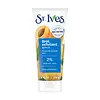
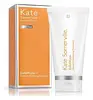
St. Ives BHA Exfoliant Apricot Versus Kate Somerville ExfoliKate® Intensive Pore Exfoliating Treatment
This acne exfoliator is formulated around Salicylic Acid to clear breakouts and refine skin texture.
This smoothing exfoliator is formulated around Lactic Acid and Silica to refine skin texture and refine the look of pores.


What's inside
What's inside
 Key Ingredients
Benefits
Concerns
Ingredients Side-by-side
Salicylic Acid 2%
Masking










Water
Skin ConditioningJuglans Regia Shell Powder
Abrasive
Glyceryl Stearate Se
Emulsifying


Glycerin
Humectant


Cetyl Alcohol
Emollient

Zea Mays Kernel Meal
Abrasive
Cetearyl Alcohol
Emollient
Triethanolamine
BufferingCocamidopropyl Betaine
Cleansing
PEG-100 Stearate
Surfactant
Glyceryl Stearate
Emollient
Carbomer
Emulsion StabilisingCeteareth-20
Cleansing
Prunus Armeniaca Seed Powder
Abrasive
Prunus Armeniaca Fruit Extract
Skin ConditioningSodium Methyl Lauroyl Taurate
CleansingParfum
Masking

Polysorbate 60
Emulsifying
Disodium EDTA
ChelatingIodopropynyl Butylcarbamate
Preservative
Phenoxyethanol
Preservative
Limonene
Perfuming
Linalool
Perfuming
CI 77891
Cosmetic ColorantSalicylic Acid 2%, Water, Juglans Regia Shell Powder, Glyceryl Stearate Se, Glycerin, Cetyl Alcohol, Zea Mays Kernel Meal, Cetearyl Alcohol, Triethanolamine, Cocamidopropyl Betaine, PEG-100 Stearate, Glyceryl Stearate, Carbomer, Ceteareth-20, Prunus Armeniaca Seed Powder, Prunus Armeniaca Fruit Extract, Sodium Methyl Lauroyl Taurate, Parfum, Polysorbate 60, Disodium EDTA, Iodopropynyl Butylcarbamate, Phenoxyethanol, Limonene, Linalool, CI 77891
Water
Skin ConditioningLactic Acid
Buffering


Silica
Abrasive
Glycine Soja Oil
Emollient

Pectin
Emulsion StabilisingCetearyl Alcohol
Emollient
Carica Papaya Fruit
Skin ConditioningCeteareth-20
Cleansing
Cetyl Alcohol
Emollient
Phenoxyethanol
Preservative
Dehydroxanthan Gum
Emulsion StabilisingGlyceryl Stearate
Emollient
PEG-100 Stearate
Surfactant
Salicylic Acid
Masking
Lactobacillus/Pumpkin Ferment Extract
Skin ConditioningAlcohol Denat.
Antimicrobial
Sorbic Acid
Preservative
Cinnamal
Perfuming
Mel
EmollientCitrus Aurantium Bergamia Fruit Oil
Masking
Eugenol
Perfuming
Potassium Sorbate
Preservative
Limonene
Perfuming
Linalool
Perfuming
Lavandula Angustifolia Oil
Masking
Beta-Carotene
Skin ConditioningAloe Barbadensis Leaf Juice Powder
Skin Conditioning
Bromelain
Skin Conditioning
Papain
Skin Conditioning
Retinyl Palmitate
Skin Conditioning
Tocopheryl Acetate
Antioxidant

Cinnamomum Cassia Leaf Oil
Masking
Acetic Acid
BufferingPogostemon Cablin Leaf Oil
Masking
Pelargonium Graveolens Flower Oil
Masking
Aniba Rosaeodora Wood Extract
Masking
Citrus Aurantium Dulcis Peel Oil
Masking
CI 75810
Cosmetic ColorantWater, Lactic Acid, Silica, Glycine Soja Oil, Pectin, Cetearyl Alcohol, Carica Papaya Fruit, Ceteareth-20, Cetyl Alcohol, Phenoxyethanol, Dehydroxanthan Gum, Glyceryl Stearate, PEG-100 Stearate, Salicylic Acid, Lactobacillus/Pumpkin Ferment Extract, Alcohol Denat., Sorbic Acid, Cinnamal, Mel, Citrus Aurantium Bergamia Fruit Oil, Eugenol, Potassium Sorbate, Limonene, Linalool, Lavandula Angustifolia Oil, Beta-Carotene, Aloe Barbadensis Leaf Juice Powder, Bromelain, Papain, Retinyl Palmitate, Tocopheryl Acetate, Cinnamomum Cassia Leaf Oil, Acetic Acid, Pogostemon Cablin Leaf Oil, Pelargonium Graveolens Flower Oil, Aniba Rosaeodora Wood Extract, Citrus Aurantium Dulcis Peel Oil, CI 75810
Ingredients Explained
These ingredients are found in both products.
Ingredients higher up in an ingredient list are typically present in a larger amount.
Ceteareth-20 is an emulsifier and surfactant made by reacting cetearyl alcohol with 20 moles of ethylene oxide.
This gives it both oil and water-loving properties that makes it an effect emulsifier; it's really great at pulling oil droplets into water to create a stable, creamy, and easy-to-spread base.
Typical use ranges from 0.5-30%. Most leave-on products are in the 1-10% zone.
The 20 ethylene oxide units is well above the PEG-10 threshold and therefore not a food source for Malassezia (it's fungal acne safe).
This ingredient has a comedogenic rating of 2 and an irritancy rating of 3. These numbers come from testing the raw ingredient on rabbit ears and doesn't reflect how it will behave in a finished product.
In practice, this ingredient is a well-tolerated ingredient. The ratings reflect cautious lab conditions and not real-world use. Just be sure to patch test any formulas you feel unsure about.
Learn more about Ceteareth-20Cetearyl alcohol is a waxy mixture of two fatty alcohols: cetyl alcohol and stearyl alcohol. It is an emollient and emulsifier.
Despite having "alcohol" in its name, it has nothing to do with drying solvent alcohols; the FDA also allows "alcohol-free" products to contain fatty alcohols like this ingredient.
It plays several roles in a formula:
Typical use levels for this ingredient sit around 1-10% and the Cosmetic Ingredient Review Expert Panel has affirmed safety at concentrations up to 25% in leave-on products.
Multiple assessments have found it to be non-irritating and non-sensitizing to most people.
However, there have been some cases of allergic contact dermatitis in patients with chronically compromised skin barriers.
Cetearyl alcohol has a comedogenic rating of 2 and irritancy rating of 1. Both of these numbers come from the 1989 study that used rabbit ears; a "2" means mildly comedogenic and a "1" means low irritancy.
Here's the catch: rabbit skin is more sensitive than human skin and throws a lot of false positives. A 1996 reappraisal found that ingredients rated 1-2 in the rabbit ear tests are generally safe for humans.
Remember comedogenic ratings are unable to assess the entire formula of a product or how it will react on your skin. Just be sure to patch test if you are unsure about certain ingredients.
This ingredient is not fungal acne safe. Cetearyl alcohol is a fatty alcohol with chain lengths that fall within the range that Malassezia can metabolize.
A 2019 study has also observed Malassezia growth in the presence of this ingredient, confirming it to be not-fungal acne safe.
Learn more about Cetearyl AlcoholCetyl Alcohol is a fatty alcohol. Fatty Alcohols are most often used as an emollient or to thicken a product.
Its main roles are:
Though it has "alcohol" in the name, it is not related to denatured alcohol or ethyl alcohol.
The FDA allows products labeled "alcohol-free" to have fatty alcohols.
This ingredient may not be fungal acne safe. It is a primary fatty alcohol with a chain length above 12 carbons. A study from 2019 show Malassezia can feed on fatty alcohols in this range, so it may trigger fungal acne in those prone to it.
Learn more about Cetyl AlcoholGlyceryl Stearate is made by reacting glycerin with stearic acid (typically sourced from plant oils like palm or coconut). It's an emulsifier, emollient, and mild occlusive.
Emulsifiers help ingredients like oil and water stay mixed so your formula stays nicely blended and uniform in texture.
This ingredient is typically used in concentrations between 1-10%. Studies have found it to be non-sensitizing, non-phototoxic, and non-photoallergenic.
A close cousin of this ingredient is Glyceryl Stearate SE ("self-emulsifying"). This just has a small amount of sodium or potassium stearate added so it can emulsify without a co-emulsifier.
Since this ingredient is an ester of a C18 fatty acid, it may not be fungal acne safe. The Malassezia yeast can potentially metabolize within the C11-C24 range.
Fun fact: The human body also creates Glyceryl Stearate naturally.
Learn more about Glyceryl StearateLimonene is the compound that gives citrus peel its smell.
In skincare, it shows up as a standalone fragrance ingredient or as a natural compound of citrus and other essential oils.
You'll typically see this ingredient used in very small amounts; anything above 0.001% in a leave-on product or 0.01% in a rinse-off has to be named on the label in the EU. The citrus oils that carry it sit around 0.5-1% in a finished formula.
Fresh limonene is a weak allergen; the real issue is that it slowly reacts with air and then breaks down from oxidation to create hydroperoxides (which are strong sensitizers). This is why suppliers are required to keep the peroxide value below 20 mmol.
Positive reactions in people being investigated for eczema vary:
It's worth skipping if you have a known fragrance allergy or a compromised barrier, but the risk is low for most people.
Older or long-opened products are also more likely to bother you than fresh ones due to oxidation.
Learn more about LimoneneLinalool is a small, naturally occurring scent molecule found in plants like lavender, coriander, bergamot, and more.
It is one of the two most-used fragrance ingredients in cosmetics and added purely for smell. Since it's not used for a skin benefit, there's no "effective dose". Concentration depends on the fragrance load of the product.
The EU requires it to be named on the label above 0.001% in leave-on and 0.01% in rinse-off products.
Fresh linalool is a weak sensitizer but air exposure turns some of it into hydroperoxides, which are strong sensitizers. Those oxidation products are the actual allergy concern.
Patch-test clinics see positive reactions to linalool hydroperoxides in about 4% to 12% of dermatitis patients depending on country and test concentration.
Resassuringly, one analytical study found hydroperoxide levels in real fragranced products to be orders of magnitude below what induced sensitization in animal studies with no evidence of oxidation building up during normal storage.
The practical takeaway is that linalool is fine for most people but worth avoiding if you have a confirmed fragrance contact allergy or a badly compromised barrier.
Products stored a long time after opening are also the high-risk scenario since that is when oxidation happens.
The scent of linalool is described as floral, spicy tropical, and citrus-like.
Learn more about LinaloolPeg-100 Stearate is an emollient and emulsifier. As an emollient, it helps keep skin soft by trapping moisture in. On the other hand, emulsifiers help prevent oil and water from separating in a product.
PEGS are a hydrophilic polyether compound . There are 100 ethylene oxide monomers in Peg-100 Stearate. Peg-100 Stearate is polyethylene glycol ester of stearic acid.
Phenoxyethanol is one of the most widely used preservatives in skincare (and for good reason!).
It has a large spectrum of antimicrobial activity and especially effective bacteria, yeast, and mold while only having a weak effect on your skin's natural microbiome.
On a cellular level, it disrupts the cell membranes of microbes by poking holes that make the cell leak. This shuts down the chemical reactions the microbe needs to make energy so it can no longer survive.
Another perk of this ingredient is that it stays functional across a wide pH range (3-10).
You'll often see it paired with boosters like Ethylhexylglycerin; one study showed that a 1:9 ratio of Ethylhexylglycerin to Phenoxyethanol damages bacterial membranes as effectively as doubling the Phenoxyethanol concentration on its own.
Typical use concentrations range from 0.3-1% depending on the formula, and this ingredient is capped at 1% int the EU.
Safety-wise, the fear mongering does not hold up to the evidence. The EU's Scientific Committee on Consumer Safety and FDA consider it safe as a preservative at up to 1%, including for children of all ages.
Adverse systemic effects only showed up in animal studies at exposures roughly 200x higher than what people get from cosmetics. And despite its very widespread use, this ingredient is a rare sensitizer and allergic reactions are uncommon.
Learn more about PhenoxyethanolSalicylic Acid (also known as beta hydroxy acid or BHA) is a well-known ingredient for treating skin that struggles with acne and clogged pores. It exfoliates both the skin's surface and deep within the pores to help clear out buildup, control oil, and reduce inflammation.
Unlike AHAs (alpha hydroxy acids), salicylic acid is oil-soluble. This allows it to penetrate into pores which makes it especially effective for treating blackheads and preventing future breakouts.
Salicylic acid is also known for its soothing properties. It has a similar structure to aspirin and can calm inflamed or irritated skin, making it a good option for acne-prone skin that is also sensitive.
Concentrations of 0.5-2% are recognized by the U.S. FDA as an over-the-counter topical acne product.
It can cause irritation and/or dryness if one's skin already has a compromised moisture barrier, so it's best to focus on repairing that before introducing this ingredient into your routine.
While salicylic acid does not increase sun sensitivity, it’s still important to wear sunscreen daily to protect your skin.
If you are looking for the ingredient called BHA or Butylated Hydroxyanisole, click here.
Learn more about Salicylic AcidWater. It's the most common cosmetic ingredient of all. You'll usually see it at the top of ingredient lists, meaning that it makes up the largest part of the product.
So why is it so popular? Water most often acts as a solvent - this means that it helps dissolve other ingredients into the formulation.
You'll also recognize water as that liquid we all need to stay alive. If you see this, drink a glass of water. Remember to stay hydrated!
Learn more about Water

